Matte Labels vs Glossy Labels: Which Looks More Premium?

When you are designing product packaging, the finish you choose for your labels is just as important as the design itself. A label can feature the most beautiful artwork in the world, but the wrong finish can make it look cheap, hard to read, or out of place on the shelf.
Two finishes dominate the label industry: matte and glossy. Both have passionate advocates, and both can look stunning when used correctly. But which one looks more premium? The answer, as with most things in branding, is not that simple.
This guide breaks down everything you need to know about matte labels vs glossy labels-what they are, how they perform, what they cost, and exactly which one will make your product look its best.
What Are Matte Labels?
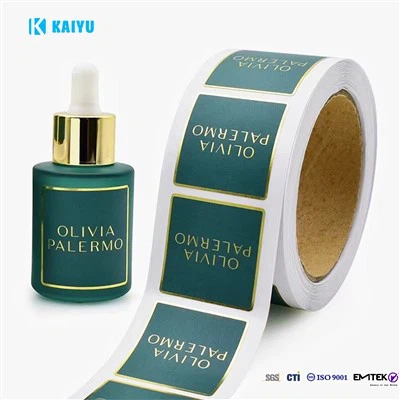
Matte labels have a smooth, non-reflective finish that diffuses light rather than reflecting it. Unlike glossy labels, matte labels do not shine or glisten. Instead, they offer a soft, subdued appearance that feels natural and sophisticated.
The matte effect is achieved through specially formulated paper or film that scatters light, reducing glare and creating a flat, elegant surface. Matte labels are available in both paper and synthetic materials like BOPP. They can also be combined with a "soft touch" laminate that adds a velvety, luxurious texture.
Key Properties of Matte Labels
- Non-reflective surface: Diffuses light, eliminating glare
- Excellent readability: Text remains legible under bright lighting
- Fingerprint-resistant: Less prone to showing smudges and fingerprints
- Smooth, velvety feel: Often described as pleasant to the touch
- Understated aesthetic: Conveys elegance, sophistication, and restraint
- Easy to write on: Ink dries faster and smears less
Common Uses for Matte Labels
- Luxury products (skincare, cosmetics, high-end beverages)
- Eco-friendly and organic products
- Minimalist packaging designs
- Candles and premium food items
- Text-heavy labels with ingredient lists or detailed information
- Wine, craft spirits, and artisanal products
What Are Glossy Labels?
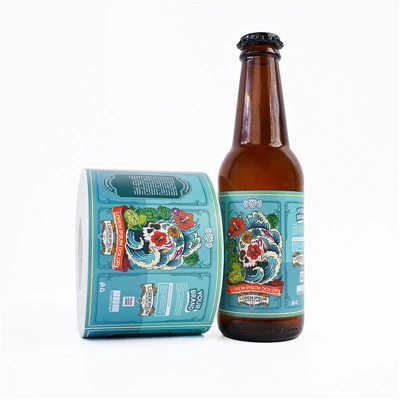
Glossy labels feature a shiny, reflective surface that enhances colors and creates a vibrant, eye-catching effect. The gloss coating intensifies the visual appeal of your label, making it stand out on crowded shelves.
Glossy finishes are created by applying a high-gloss coating or laminate to the label surface. This coating reflects light, which makes colors appear more saturated and dynamic. Glossy labels are available in both paper and synthetic materials, and they are particularly popular for retail products where visual impact is the priority.
Key Properties of Glossy Labels
- Reflective, shiny surface: Catches light and draws attention
- Vibrant colors: Enhances color saturation and contrast
- Photo-quality finish: Creates a polished, professional look
- Moisture-resistant: Offers protection against water and spills
- Easy to clean: Can be wiped clean without damage
- Smooth to the touch: Feels sleek and polished
Common Uses for Glossy Labels
- Beverage bottles (soda, beer, kombucha)
- Beauty and cosmetic products
- Bold, colorful retail packaging
- Products stored in refrigerated or humid environments
- Promotional items where visual impact is key
- Limited-edition releases and premium products
Head-to-Head Comparison
1. Visual Impact and Color
Glossy labels are the undisputed champions of color vibrancy. The reflective surface enhances ink saturation, making colors appear brighter, more saturated, and more dynamic. Glossy labels create a photo-quality finish that is ideal for bold, colorful designs. If your product relies on high-impact visuals to attract attention on a crowded shelf, glossy is often the better choice.
Matte labels, by contrast, absorb and diffuse light, which results in slightly muted colors. This is not necessarily a disadvantage-many premium brands prefer the softer, more sophisticated color palette that matte finishes provide. Matte labels convey a sense of elegance and restraint that glossy finishes simply cannot match.
Verdict: Choose glossy for bold, vibrant designs. Choose matte for understated elegance and sophistication.
2. Readability and Glare
This is where matte labels have a clear advantage. The non-reflective surface of matte labels eliminates glare, making text easy to read under various lighting conditions. This is particularly important for labels with small text, barcodes, QR codes, or detailed product information. In bright retail environments or warehouses, matte labels ensure that your information remains legible.
Glossy labels, on the other hand, can create glare under bright lighting. The reflective surface may make text harder to read and can interfere with barcode and QR code scanning. While this is not an issue for simple, graphic-heavy designs, it can be a problem for labels that require accurate scanning or contain important information.
Verdict: Matte wins for readability and scanning reliability.
3. Fingerprints and Smudges
Matte labels are significantly more resistant to fingerprints and smudges. The non-glossy texture hides oils and dirt from handling, keeping the label looking fresh even after frequent contact. This makes matte labels ideal for products that are handled frequently, such as cosmetics, candles, or items in retail settings.
Glossy labels are more prone to showing fingerprints, smudges, and scratches. The shiny surface reflects light, which makes any imperfection immediately visible. While glossy labels can be wiped clean, they require more careful handling to maintain their pristine appearance.
Verdict: Matte wins for fingerprint and smudge resistance.
4. Durability and Moisture Resistance
Glossy labels generally offer better moisture resistance than matte labels. The glossy coating provides a protective barrier against water, oils, and spills, making them suitable for products stored in refrigerators, coolers, or humid environments. Glossy labels are also easier to wipe clean.
Matte labels may be less resistant to moisture and handling. However, this depends more on the base material (paper vs synthetic film) than the finish itself. A matte BOPP label will be more durable than a glossy paper label. The finish affects appearance and glare, but durability comes from the label material.
Verdict: Glossy offers slightly better moisture resistance, but material choice matters more than finish.
5. Tactile Experience
Matte labels offer a pleasant, velvety feel that many consumers associate with premium quality. The soft texture invites touch and creates a sensory experience that goes beyond the visual. This tactile quality is particularly valuable for luxury and high-end products where the unboxing experience matters.
Glossy labels are smooth to the touch but lack the distinctive texture of matte finishes. They feel sleek and polished but do not offer the same sensory engagement.
Verdict: Matte wins for tactile, premium feel.
6. Brand Perception
The finish you choose sends a powerful message about your brand.
Glossy labels are associated with boldness, energy, and modernity. They suggest a product that is dynamic, attention-grabbing, and confident. Glossy finishes are often used for mass-market products, beverages, and items that need to stand out in competitive retail environments.
Matte labels convey sophistication, restraint, and quality. They suggest a product that is premium, thoughtful, and confident enough not to shout. Matte finishes are frequently used on luxury items, eco-friendly products, and minimalist packaging. Research has shown that matte packaging is rated as more natural and can increase willingness to buy for certain products.
Verdict: Glossy says "look at me." Matte says "trust me."
Frequently Asked Questions
Q1: Which label finish looks more premium-matte or glossy?
Neither is inherently more premium. Glossy finishes convey boldness, energy, and modern appeal, while matte finishes convey sophistication, restraint, and quality. The perception of "premium" depends entirely on your brand identity, product category, and target audience. Matte is often chosen for luxury and eco-friendly products, while glossy is popular for beverages and cosmetics.
Q2: Are glossy labels more durable than matte labels?
Not necessarily. Finish does not determine durability-that comes from the label material (paper vs BOPP), the adhesive, and the environment. Glossy labels do offer slightly better moisture resistance, but a matte BOPP label will be more durable than a glossy paper label. Choose your material first, then your finish.
Q3: Which finish is better for barcodes and QR codes?
Matte is generally the safer choice for barcodes and QR codes because it reduces glare and reflections. Glossy finishes can reflect overhead lighting, which may interfere with scanning depending on the angle and environment. If your labels need to be scanned reliably, choose matte.
Q4: Do matte labels show fingerprints?
No. Matte labels are actually more resistant to fingerprints and smudges. The non-glossy texture hides oils and dirt from handling. Glossy labels, by contrast, tend to show fingerprints and smudges more readily.
Q5: Can I write on glossy labels?
Yes, but matte labels are easier to write on. Ink dries faster and smears less on matte surfaces. Writing on glossy labels is possible, but drying time and pen choice matter more. If you plan to handwrite information like prices, dates, or batch codes on your labels, matte is the better choice.