Waterproof Labels vs Standard Paper Labels: Which One Should You Choose?

When you are designing product packaging, few decisions seem as straightforward-or as deceptively important-as choosing your label material. It is easy to assume that a label is just a label. But the moment your product encounters condensation, a spill, a refrigerator, or an ice bucket, the difference between waterproof labels and standard paper labels becomes painfully obvious.
One will stay crisp, legible, and firmly attached. The other will wrinkle, smudge, peel, or simply dissolve.
This guide breaks down everything you need to know about waterproof labels vs standard paper labels-what they are, how they perform, what they cost, and exactly which one you should choose for your product.
Products Description
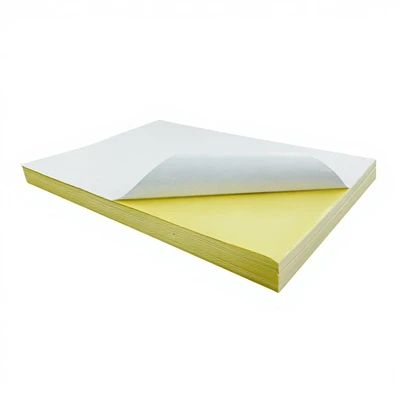
Standard paper labels are exactly what they sound like: labels made from paper-based materials. They are the most common and most affordable type of label you will find, used everywhere from grocery store shelves to office filing systems.
Paper labels come in a variety of finishes-semi-gloss, matte, textured, kraft, and more. Uncoated paper is the most basic option, typically used for commodity labeling and dry environments. Coated paper can enhance print quality and offer some resistance to humidity and friction. However, even coated paper has its limits.
Key Properties of Paper Labels
- Cost-effective: Paper is generally the cheapest label material available
- Excellent print quality: The porous surface absorbs ink for sharp, vibrant results
- Natural aesthetic: Offers warmth and texture that synthetic materials cannot replicate
- Biodegradable and recyclable: Breaks down naturally in standard paper recycling streams
- Wide variety: Available in many colors, textures, and finishes
- Short lifespan: Not designed for long-term durability in challenging conditions
Common Uses for Paper Labels
- Dry goods and pantry items
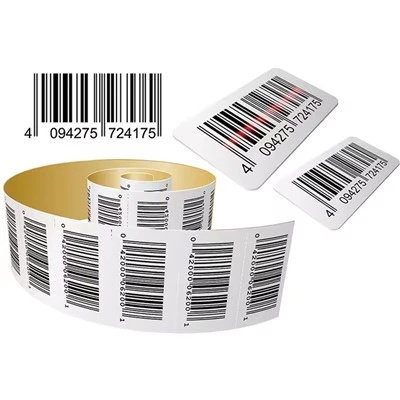
- Shipping labels and barcodes
- Retail price tags and promotional stickers
- Office and administrative labeling
- Short-term product launches and seasonal items
- Products stored exclusively indoors in dry conditions
What Are Waterproof Labels?
Waterproof labels are made from synthetic, non-porous materials designed to resist water, moisture, oils, and chemicals. Unlike paper, which absorbs water, waterproof labels repel it. Water beads up and rolls off the surface, leaving the label-and the print-completely intact.
The most common waterproof label materials include BOPP (biaxially oriented polypropylene), vinyl, and PET (polyester). BOPP is the workhorse of the industry-durable, water-resistant, cost-effective, and widely used on beverages, food packaging, and beauty products. Vinyl offers extreme durability for outdoor use and ice storage. PET provides the highest clarity and heat resistance for premium applications.
Key Properties of Waterproof Labels
- Completely waterproof: Can withstand submersion, ice, rain, and condensation without damage
- Tear-resistant: Difficult to tear, even with force
- Oil and chemical resistant: Resists oils, solvents, and many chemicals
- UV-resistant: Resists fading and yellowing from sunlight
- Long lifespan: Can last 5 years or more outdoors
- Temperature range: Performs from -40°C to +79.4°C (BOPP)
Common Uses for Waterproof Labels
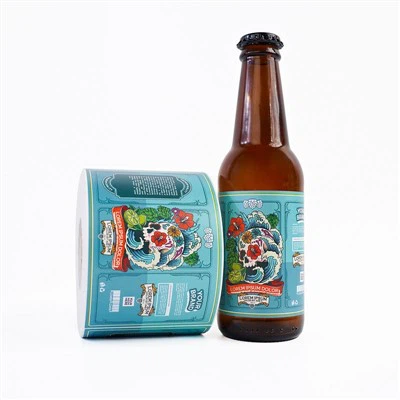
- Beverage bottles, canned drinks, and water bottles
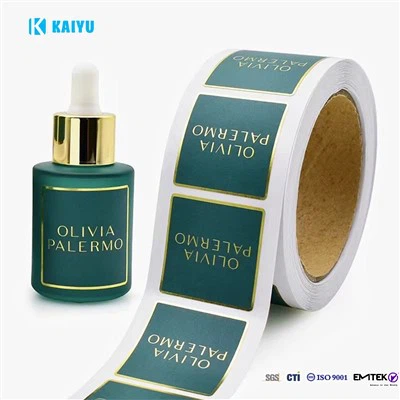
- Bath and body products (shampoos, soaps, lotions)
- Food packaging that is refrigerated or iced
- Outdoor products and sporting goods
- Cleaning products and industrial goods
- Any product stored in refrigerators, freezers, or ice buckets
Head-to-Head Comparison
1. Moisture and Water Resistance
This is the most fundamental difference between the two label types-and the one that will likely drive your decision.
Standard paper labels are not waterproof. They absorb moisture, which causes wrinkling, smudging, peeling, and eventual failure. Even coated papers can wrinkle and swell with water exposure or condensation. Standard uncoated paper labels are simply not built for moisture. They are designed for dry, indoor environments where they will not face water, humidity, or condensation.
Waterproof labels, by contrast, are engineered to handle wet conditions. Made from non-porous synthetic materials like BOPP or vinyl, they repel water rather than absorbing it. They can be submerged, refrigerated, iced down, or exposed to rain without damage. BOPP labels are waterproof, oil-resistant, and designed to handle tough conditions.
Verdict: Waterproof labels win decisively for any application involving moisture.
2. Durability and Longevity
Paper labels offer a relatively short lifespan. They can only handle limited exposure to moisture, chemicals, abrasion, and extreme temperatures. They are easily scuffed, punctured, or torn, making them unsuitable for harsh environments or items that are frequently handled. Paper labels are best for short-term, indoor use.
Waterproof labels are built to last. They are tear-resistant, scuff-resistant, and fade-resistant. They hold up to frequent handling, transportation, and challenging conditions. In moisture-prone environments, paper labels often need to be replaced sooner-which can cost more in the long run than choosing waterproof labels from the start.
Verdict: Waterproof labels offer dramatically superior durability and longevity.
3. Appearance and Aesthetic
Paper labels offer a warmth and natural texture that synthetic materials cannot match. They accept ink beautifully and support rich embossing and debossing. Textured papers like linen, felt, and estate signal craft and heritage, making them popular for wineries and premium products. Paper is available in a wider range of colors than film labels.
Waterproof labels offer a sleek, modern, and professional finish. They can be glossy, matte, or clear. Clear film labels can create a "no-label look" that appears printed directly on the container. Waterproof labels maintain their appearance over time, resisting fading, smudging, and wear.
Verdict: Choose paper for warmth, texture, and artisan appeal. Choose waterproof for modern, durable, and long-lasting aesthetics.
4. Cost
Paper labels are significantly cheaper upfront. Paper is generally less expensive than film, making it the go-to choice for budget-conscious projects and short-term applications.
Waterproof labels cost more upfront. However, the math changes when you consider lifespan and replacement costs. In moisture-prone environments, paper labels often need to be replaced sooner-which can cost more in the long run than choosing waterproof labels from the start. Waterproof labels can cost more than basic paper options, but the difference often pays for itself when you consider the hidden costs of label failure: repackaging, relabeling, and brand damage.
Verdict: Paper is cheaper upfront. Waterproof labels can be more cost-effective over the product's lifecycle in demanding environments.
5. Sustainability
Paper labels are biodegradable, compostable, and recyclable in standard paper streams. They can be made from FSC-certified post-consumer waste, making them attractive for brands with strong sustainability commitments.
Waterproof labels are made from plastic materials like BOPP and are not biodegradable or compostable. However, they are recyclable in appropriate streams, and BOPP is more compatible with plastic packaging recycling than paper labels on plastic containers.
Verdict: Paper wins for biodegradability and compostability. Waterproof labels are more compatible with plastic packaging recycling.
6. Temperature Resistance
Paper labels have a limited temperature range. They perform best at room temperature and can struggle with extreme heat or cold.
Waterproof labels offer excellent temperature resistance. BOPP labels perform from -40°C to +79.4°C, making them suitable for freezers, refrigerators, and hot-fill applications. They hold up in cold storage, ice buckets, and temperature fluctuations without warping or peeling.
Verdict: Waterproof labels offer superior temperature resistance for extreme conditions.
Frequently Asked Questions
Q1: Are waterproof labels completely waterproof, or just water-resistant?
Waterproof labels are fully waterproof. They can withstand submersion, ice, rain, and condensation without damage. Water-resistant labels, by contrast, can handle splashes or light moisture but are not designed for extended water exposure. Most paper labels fall into the water-resistant category at best-and standard paper labels are not water-resistant at all.
Q2: Are waterproof labels more expensive than paper labels?
Yes, waterproof labels cost more upfront. However, in moisture-prone environments, paper labels often need to be replaced sooner-which can cost more in the long run than choosing waterproof labels from the start. Consider the hidden costs of label failure: repackaging, relabeling, and brand damage.
Q3: Can paper labels be made waterproof?
Paper labels can be coated with a water-resistant layer, but they are not truly waterproof. If water seeps beneath the coating, the paper will disintegrate. For full waterproof performance, you need synthetic materials like BOPP or vinyl.
Q4: Which label material is better for the environment?
It depends on your definition of sustainability. Paper labels are biodegradable, compostable, and recyclable in standard paper streams. Waterproof labels are made from plastic and are not biodegradable, but they are recyclable and more compatible with plastic packaging recycling. For brands prioritizing compostability, paper wins. For brands prioritizing recyclability of plastic packaging, waterproof labels may be the better fit.
Q5: How do I know if I need waterproof labels?
Ask yourself these questions: Will my product be refrigerated? Will it sweat? Will it be iced down? Will it be wiped down or handled frequently? Will it be exposed to oils or chemicals? Will it be stored outdoors or in a humid environment? If you answered yes to any of these, you need waterproof labels. If your product stays dry and indoors at all times, paper may suffice.