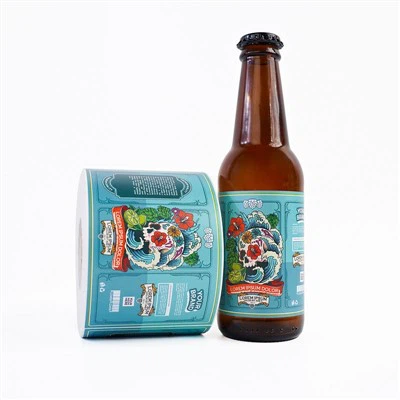
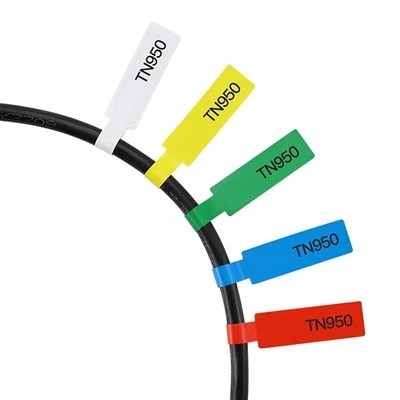
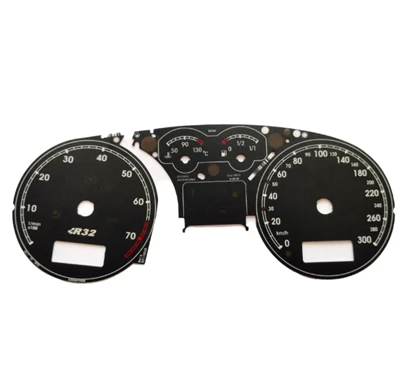
Offset Printing vs Digital Printing Labels: Cost and Quality Comparison

When you start sourcing custom labels for your products, one of the first decisions you will face is how they should be printed. The two most common methods-offset printing and digital printing-both produce professional, high-quality results. But they work very differently, and choosing the wrong one can cost you time, money, and flexibility.
This guide compares offset printing vs digital printing labels across cost, quality, speed, and practical fit-so you can choose the method that actually works for your business.
What Is Offset Label Printing?
Offset printing (lithography) is a century‑old mainstream process. Aluminum plates transfer ink through a rubber blanket onto label material.
Each colour requires one plate. A six‑colour label with spot varnish needs at least seven plates ($50‑$150 each). Once plates are ready and the press calibrated, it delivers consistent output for thousands to millions of labels, with unit costs dropping greatly at high volumes - ideal for mass production and accurate colour.
Advantages
‑ High‑fidelity printing: crisp details, smooth gradients, rich solids, great for photorealistic artwork.
‑ Stable colour over long production runs, critical for brand colour matching.
‑ Supports real Pantone spot colours, not just CMYK simulation.
‑ 30‑40% lower per‑unit cost than digital for large‑volume jobs.
‑ Compatible with paper, cardstock and select specialty substrates.
Limitations
‑ High setup cost: expensive plates plus 30‑60+ minutes press preparation.
‑ Longer lead times (days instead of hours).
‑ Cannot handle variable data like unique barcodes or serial numbers.
‑ Design changes need new plates; unsuitable for frequent revisions or test runs.
‑ Material waste during press alignment.
What Is Digital Label Printing?
Digital printing operates like an industrial‑grade desktop printer. It prints directly onto label stock from digital files via toner or inkjet, with no plates, cylinders or lengthy setup. Just submit your file to start production. Most modern digital label systems use UV‑cured inkjet, spraying tiny ink droplets cured instantly by UV light, reaching up to 1440 DPI.
Advantages
‑ Zero setup costs: no costly plates; production starts once files are submitted.
‑ Fast turnaround: finished labels ready within hours or days.
‑ Variable‑data capability: unique serial numbers, barcodes, QR codes and personalized text on every label.
‑ Cost‑efficient short runs: economical for small‑medium batches, even orders as low as 100 units; best below 250‑500 pieces.
‑ Minimal setup waste versus offset printing.
‑ High design flexibility: rapid artwork edits and fast SKU switching for multi‑design testing.
Limitations
‑ Higher unit cost for large volumes: ink and consumable costs stay steady; offset becomes cheaper at high quantities.
‑ Lower running speed: typically 100‑150 ft/min, slower than offset for mass production.
‑ Batch‑to‑batch colour shifts; prone to mottling and gloss inconsistency; offset still outperforms it on coated paper.
‑ Substrate restrictions: works best on smooth coated surfaces; poor performance on rough, porous materials.
‑ Limited inline specialty finishes compared with offset.
Head-to-Head Comparison
Cost Structure
Offset and digital have fundamentally different cost structures.
Offset printing loads cost into setup. Plates, dies, and makeready are paid before the first sellable label comes off the press. A full set of plates for a multi-color job can cost hundreds of dollars. But once the press is running, the per-unit cost is very low.
Digital printing spreads cost evenly across every unit. There is almost no setup penalty, but the per-unit cost stays relatively constant regardless of order size.
Where they cross over: The break-even point-where the two cost curves meet-typically falls somewhere between 500 and 5,000 labels per SKU, depending on plate costs, ink coverage, and complexity.
| Order Size | Digital Printing | Offset Printing |
|---|---|---|
| Under 500 labels | Cheaper (no setup fees) | Expensive (setup costs dominate) |
| 500–5,000 labels | Competitive | Becoming competitive |
| Over 5,000 labels | More expensive | Cheaper per unit |
At 2,000 labels, the costs often match-digital at $0.48 per label with no setup fees equals offset at $0.28 per label plus $400 in setup fees. Below 2,000, digital wins. Above 2,000, offset wins.
Print Quality
Offset printing delivers superior quality for long runs. It provides crisp detail, smooth gradients, rich solid colors, and exact Pantone spot color matching. Offset is particularly strong for photorealistic images and fine detail.
Digital printing produces excellent quality that satisfies most applications. Modern digital presses can print at up to 1440 DPI and handle photos and gradients well. However, studies show that offset print quality on coated paper is still ahead of what digital can achieve today, with issues like mottling and gloss variation more common in digital.
Verdict: Offset offers superior and more consistent quality, especially for large solid areas, fine detail, and exact brand color matching.
Speed and Turnaround
Digital printing starts fast-artwork to labels in hours or days. There are no plates to make, so the press is ready as soon as your file is approved.
Offset printing takes longer to start-plates must be manufactured and installed, and the press must be set up. Setup can take 30–60 minutes per job. However, once running, offset is faster, typically 150–300 meters per minute or more.
Verdict: Digital for speed-to-market; offset for production speed at scale.
Flexibility
Digital printing wins on flexibility. You can change artwork between labels, print variable data, switch SKUs in seconds, and test multiple designs without penalty.
Offset printing requires new plates for every design change. This makes it inefficient for frequent updates, seasonal variations, or market testing.
Verdict: Digital is the clear winner for flexibility and customization.
Substrate Compatibility
Offset printing works on a wide variety of materials-paper, cardstock, and some specialty materials. It handles sheet-fed materials well.
Digital printing is more selective, preferring coated, smooth surfaces. It can struggle with rough or porous materials.
Verdict: Offset offers broader substrate compatibility.
Frequently Asked Questions
Q1: Which is cheaper, offset or digital label printing?
Cost hinges on volume. Digital is cheaper for short runs (<500‑5,000 labels) with zero setup fees. Offset has high setup costs but lower unit price; it beats digital past the 500‑5,000 break‑even point, saving 30‑40% on large orders.
Q2: Which offers better print quality?
Offset delivers superior quality: sharper details, smooth gradients, rich solids and consistent long‑run colour, outperforming digital on coated paper. Digital still provides adequate quality for most applications, especially short‑run complex designs.
Q3: Can digital match Pantone colours?
Digital reproduces ~97% of Pantone colours via CMYK simulation. Offset delivers precise true Pantone spot colours, better for luxury and brands needing strict colour accuracy.
Q4: Which works for variable data like serial numbers?
Digital is the clear choice, supporting unique serial numbers, barcodes and custom content per label. Offset with fixed plates cannot handle variable data.
Q5: How to choose the right printing method?
Three quick checks:
- Volume per SKU: digital under 500‑5,000 units; offset for higher volumes.
- Frequent artwork updates: choose digital.
- Exact Pantone spot colour required: pick offset. For mixed needs, adopt hybrid printing: digital for launches/tests, offset for proven high‑volume products.