Machine-Made Labels vs Handmade Labels: Quality Comparison

When you start your product journey, one of the first decisions you will face is how to label your goods. The choice between machine-made labels and handmade labels might seem like a simple preference, but it has profound implications for your brand, your budget, and your ability to scale.
Handmade labels carry a certain charm, a human touch that mass production cannot replicate. Machine-made labels offer consistency, durability, and efficiency at scale. But which one delivers better quality? The answer-as with most things in business-is not that simple.
This guide breaks down the quality comparison between machine-made labels and handmade labels, helping you choose the right approach for your product and your brand.
What Are Handmade Labels?
Handmade labels are produced using manual methods, often by the brand owner or a small artisan workshop. These labels might be handwritten, hand-stamped, or printed using basic home or small-office equipment like desktop printers, label makers, or Silhouette cutters.
The defining characteristic is the absence of industrial automation. Each label is produced individually, with the creator's hands touching every piece. This approach is common among very small businesses, crafters, makers, and brands that value the "small-batch" aesthetic.
Key Characteristics of Handmade Labels
- Human touch: Each label reflects the maker's personal involvement
- Low upfront investment: Requires minimal equipment to get started
- Flexibility: Can be produced on demand in any quantity
- Customization: Every label can be unique if desired
- Time‑intensive: Production speed is limited by manual labor
- Variable quality: Human error leads to inconsistencies
Common Tools for Handmade Labels
- Desktop inkjet or laser printers
- Label makers
- Rubber stamps and ink pads
- Silhouette or Cricut cutting machines
- Handwritten tags with markers or pens
What Are Machine-Made Labels?
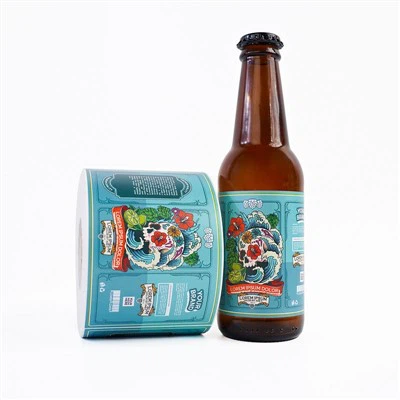
Machine-made labels are produced using industrial-grade equipment in a professional manufacturing environment. This includes digital presses, flexographic printing machines, rotary die cutters, and automated application systems.
The defining characteristic is automation. Machines handle every step-printing, cutting, quality control, and finishing-with minimal human intervention. This approach is standard for established businesses, retail products, and any application requiring consistent, high-volume production.
Key Characteristics of Machine-Made Labels
- Industrial precision: Calibrated equipment ensures consistent results
- High speed: Can produce thousands of labels per hour
- Superior durability: Access to waterproof materials and specialized adhesives
- Professional finishes: High-resolution prints, clean cuts, and premium coatings
- Consistent quality: Every label looks identical
- Higher upfront cost: Requires minimum order quantities and setup fees
Common Methods for Machine-Made Labels
- Digital printing
- Flexographic printing
- Offset printing
- Rotary die cutting
- Laser cutting
Head-to-Head Quality Comparison
1. Print and Finish Quality
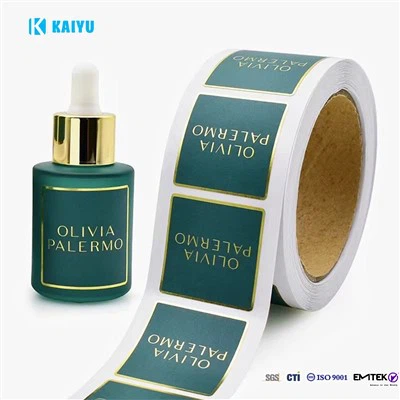
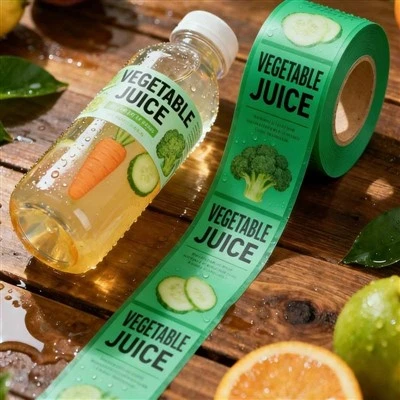
Machine-made labels deliver superior print quality. Professional printing services offer high-resolution prints, clean cuts, and premium finishes that home printers simply cannot match. Industrial equipment produces crisp text, vibrant colors, and sharp details. Professional printed stickers also come with premium finishes like gloss, matte, or soft-touch laminates that protect the label and enhance its appearance.
Handmade labels are limited by the equipment available. Desktop printers produce results that can look cheap, with color accuracy varying from run to run. Hand-stamped or handwritten labels have an organic, imperfect quality that some brands find charming-but they lack the precision and polish of professional work.
Verdict: Machine-made labels offer superior print and finish quality.
2. Durability
Machine-made labels are built to last. Professional manufacturers use materials like waterproof vinyl, specialized adhesives, and durable finishes that withstand washing, sweating, and daily wear. Machine-made labels do not smear or look like a home craft project. They resist moisture, chemicals, and temperature extremes.
Handmade labels are significantly less durable. Homemade labels do not withstand washing machines, dishwashers, or daily wear and tear. DIY label materials may peel off easily, especially on fabric or frequently handled items. Ink from home printers can smear when wet, and paper labels lack the protective coatings of professional products.
Verdict: Machine-made labels offer dramatically superior durability.
3. Consistency
Machine-made labels deliver flawless consistency. Professional manufacturers use calibrated equipment to ensure every label is identical-same color, same cut, same finish, every time. This is critical for barcode scanning, brand recognition, and retail presentation.
Handmade labels are inherently inconsistent. Human error leads to crooked stamps, misaligned cuts, and variations in color. This inconsistency becomes more pronounced as order volume increases. While some customers appreciate the "imperfect" handmade aesthetic, others perceive it as unprofessional.
Verdict: Machine-made labels offer superior consistency.
4. Cost Structure
Machine-made labels have higher upfront costs but lower per-unit costs at scale. Professional printing services become more cost-effective once you need more than a few hundred units. For larger batches, professional labels are often cheaper per label than DIY alternatives.
Handmade labels have lower upfront costs. For very small batches (under 100), printing your own labels can seem cheaper. However, hidden costs like ink, paper, and-most significantly-your time quickly add up. DIY labels are not "free"; they consume hours that could be spent on product development or customer acquisition.
Verdict: Handmade is cheaper for tiny runs; machine-made is more cost-effective at scale.
5. Customization and Flexibility
Handmade labels offer maximum flexibility. You can create labels on demand whenever you need them. You can change designs instantly, test multiple variations, and produce any quantity-even a single label. This makes handmade labels ideal for prototyping, market testing, and one-off projects.
Machine-made labels are less flexible. Design changes require new plates or setup, and most manufacturers have minimum order quantities. However, digital printing has reduced these barriers significantly, allowing for shorter runs and faster design changes than traditional methods.
Verdict: Handmade labels offer greater flexibility for small-scale experimentation.
6. Brand Perception
Handmade labels can create a powerful emotional connection. Research shows that handwritten labels are more effective than machine-written labels in enhancing consumers' purchase intentions. This is known as the "handmade effect"-handmade labels lead to stronger perceptions of a human presence and confidence in the product. For artisanal, craft, and luxury products, the handmade aesthetic can be a significant asset.
Machine-made labels convey professionalism, reliability, and retail readiness. They signal that your brand is established, consistent, and serious about quality. For products sold through retail channels, e-commerce, or any situation where consistency matters, machine-made labels are the expected standard. 72% of consumers say that product packaging design influences their purchase decisions.
Verdict: Handmade labels appeal to emotional, artisanal audiences. Machine-made labels appeal to professional, retail audiences.
Frequently Asked Questions
Q1: Are handmade labels cheaper than machine‑made labels?
Volume‑dependent. Handmade seems cheaper under 100pcs, but materials and labor pile up. Machine‑made is cheaper for larger orders and saves labor.
Q2: Which type of label is more durable?
Machine‑made labels are much more durable with waterproof material, strong adhesive and protective coating. Handmade ones smudge and peel easily, especially on fabric.
Q3: Can handmade labels look professional?
Yes for artisanal/luxury goods with good craft. DIY labels lack sharp print. Machine‑made is retail/e‑commerce standard.
Q4: Do customers prefer handmade or machine‑made labels?
Handmade labels deliver authentic charm for craft goods. 72% buyers value packaging; machine‑made labels boost brand value for mass retail.
Q5: When should I switch from handmade to machine‑made labels?
Switch when handmade limits growth: heavy workload, inconsistency, bigger orders, retail entry or high labor cost. 500pcs is the usual break‑even point.