Clear Labels vs White Labels: Which Works Better for Branding?
When it comes to product packaging, few decisions carry as much weight-and as little attention-as the choice between clear labels and white labels. Both can look stunning. Both can communicate your brand values. But they do so in completely different ways.
The wrong choice can make a premium product look ordinary. The right choice can turn a simple bottle into a statement piece. This guide breaks down everything you need to know about clear labels vs white labels-what they are, how they perform, and which one will make your brand shine.
What Are Clear Labels?
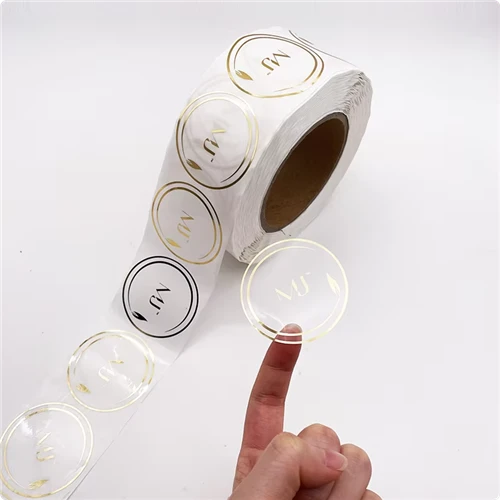
Clear labels are made from transparent film-typically BOPP (biaxially oriented polypropylene), PET polyester, or vinyl. They have no opaque background. Instead, they let the container and its contents show through the unprinted areas.
The effect is striking. When applied to a clear glass bottle or a sleek jar, clear labels create what the industry calls a "no-label look". The printed graphics appear to float on the package, and the product itself becomes part of the design.
Key Properties of Clear Labels
- Transparent background: The container shows through unprinted areas
- "No-label" aesthetic: Creates a clean, modern, minimalist look
- Product-first storytelling: Highlights the color, texture, or clarity of what's inside
- Requires white ink: Colors printed directly on clear film can look translucent or washed out without a white ink base layer
- Less forgiving: Air bubbles, peeling edges, and application imperfections are highly visible
- Premium perception: Often associated with high-end, luxury, and contemporary brands
Common Uses for Clear Labels
- Beverages in clear glass or PET bottles (juices, craft beer, cold brew)
- Cosmetics and skincare products
- Premium and luxury packaging
- Minimalist brand aesthetics
- Products where the contents are visually appealing
What Are White Labels?
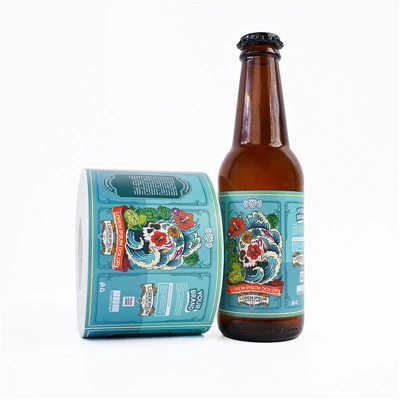
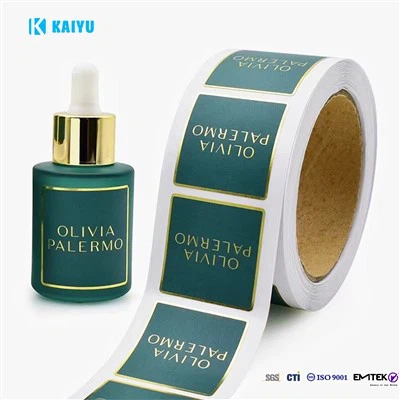
White labels start with an opaque white face stock-paper or white BOPP film. Unlike clear labels, they provide a solid, non-transparent background that fully blocks the container surface behind the label.
This opacity creates a blank canvas for your brand. Colors print closer to the artwork file, text remains sharp and readable, and the label itself becomes a defined space where your brand can take control.
Key Properties of White Labels
- Opaque background: Completely blocks the container surface
- Superior contrast: Text and colors stand out clearly
- Consistent color reproduction: Colors print closer to the artwork file
- More forgiving: Hides application imperfections like air bubbles and slight misalignment
- Cost-effective: Generally less expensive than clear labels
- Brand-first storytelling: Creates a defined space for your brand identity
Common Uses for White Labels
- Food packaging and retail products
- Products with detailed information (ingredients, instructions, warnings)
- Dark or opaque containers where clear labels would be unreadable
- Multi-color designs that need strong contrast
- Shipping and logistics labeling
Head-to-Head Comparison
1. Visual Impact and Aesthetic
Clear labels create a modern, minimalist aesthetic that feels clean and intentional. The "no-label" look makes the product itself the hero. On a clear glass bottle with a vibrant juice or amber-colored spirit, the liquid becomes part of the design. On a frosted skincare jar, a clear label can feel restrained and expensive.
White labels offer a bold, defined canvas for your brand. They provide strong contrast that makes colors pop and text stand out. White labels give you complete control over the visual space-what you see is exactly what you get.
Verdict: Clear labels excel at minimalism and product-forward design. White labels excel at bold, colorful branding.
2. Brand Storytelling
Here is a helpful framework: clear labels tell a product story; white labels tell a brand story.
Clear labels say, "Look at this product. Look at its color, its texture, its purity." They communicate honesty and transparency-literally and figuratively. They work best when the product itself is attractive enough to participate in the design.
White labels say, "Look at this brand. Look at our logo, our colors, our message." They create a defined space where your brand identity can take full control. They work best when you need to communicate detailed information or establish a strong visual identity.
Verdict: Choose clear labels to let the product speak first. Choose white labels to let the brand speak first.
3. Readability and Information
White labels are the clear winner for readability. The opaque background provides high contrast, making text easy to read in any lighting condition. If your product requires detailed information-ingredient lists, instructions, warnings, or regulatory copy-white labels make life simpler.
Clear labels can be more difficult to read, especially against certain backgrounds or in certain lighting. On dark containers, clear labels can become nearly invisible without careful design and white ink application. A flat PDF on white does not show the real result-proofing against the actual container is essential.
Verdict: White labels win for information-heavy products and guaranteed readability.
4. Cost
White labels are generally the more affordable option. The manufacturing process is simpler, and the materials are less expensive. For budget-conscious brands or high-volume runs, white labels offer excellent value.
Clear labels often cost more. The transparent stock costs more, white ink adds a production layer, and the quality tolerance is tighter. Any imperfection-air bubbles, peeling edges, slight misalignment-is visible on clear film.
Verdict: White labels are more cost-effective. Clear labels command a premium.
5. Durability and Material
Both clear and white labels can be made from BOPP, which is waterproof, oil-resistant, and durable. The material choice matters more than the color when it comes to durability.
However, clear labels are less forgiving in application and use. Bubbles, dust, fingerprints, and peeling edges show up clearly on transparent film. They require clean, smooth surfaces and careful application.
White labels hide imperfections better. The opaque background masks minor bubbles, slight misalignment, and handling marks.
Verdict: Both can be equally durable with the right material. Clear labels demand more careful application.
6. Container Compatibility
Clear labels work best on transparent or light-colored containers-clear glass, clear PET bottles, or light-colored jars. They can also work on opaque containers when the goal is a frosted or window effect. But on dark or heavily textured surfaces, clear labels can fail completely-text becomes unreadable, and the label loses its impact.
White labels work on virtually any surface-glass, plastic, metal, dark or light, smooth or textured. The opaque background ensures consistent readability regardless of what's behind the label.
Verdict: Clear labels are specialized for specific containers. White labels are universally compatible.
Frequently Asked Questions
Q1: Are clear labels more premium than white labels?
Not automatically. Premium perception depends on packaging design, not the label alone. Clear labels look premium on transparent surfaces but may fail on dark backgrounds. White labels can look just as premium with the right design, materials, and finishes. According to Forbes, consistent and high-quality branding can increase perceived product value by over 20%.
Q2: Why do clear labels cost more than white labels?
Clear labels cost more because the transparent stock is more expensive, white ink adds a production layer, and the quality tolerance is tighter. Any imperfection shows on clear film, so manufacturing requires greater precision.
Q3: Can clear labels be read on dark bottles?
Yes, but it requires careful design. You need white ink underprinting to create opacity for logos, text, and barcodes. Without white ink, colors printed on clear film can look translucent or washed out. Always test your design on the actual container before committing to a full print run.
Q4: Are clear labels less durable than white labels?
Durability depends on the material, not the color. Both clear and white labels can be made from BOPP, which is waterproof, oil-resistant, and durable. However, clear labels are less forgiving-air bubbles, peeling edges, and scratches are more visible on transparent film.
Q5: How do I know which label is right for my product?
Ask yourself three questions:
What story am I telling? Clear labels tell a product story; white labels tell a brand story.
What's in the container? If the product is visually appealing, clear labels let it shine. If not, white labels provide a controlled canvas.
What's the container made of? Clear labels work best on transparent or light-colored containers. White labels work on everything.