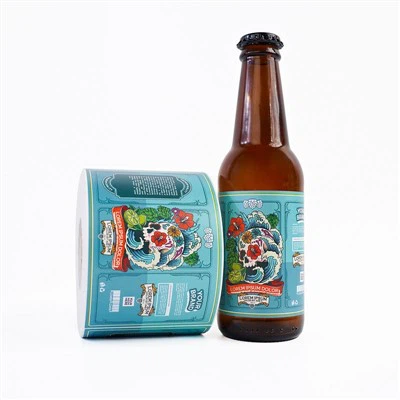
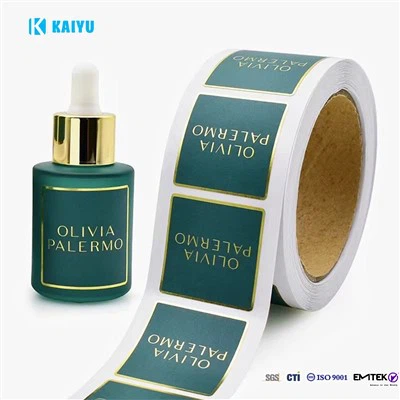
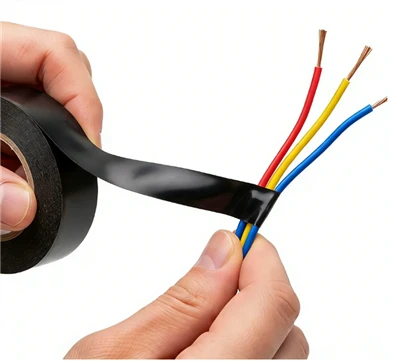
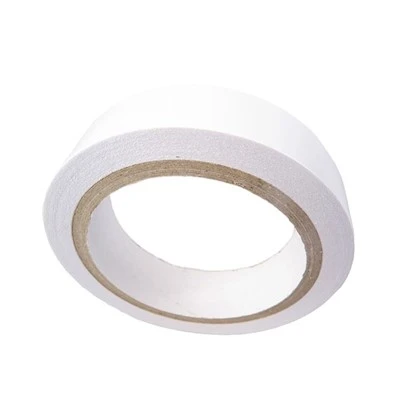
The widespread trust in label paper in both everyday and professional settings stems from its stable and diverse performance characteristics. These characteristics determine its applicability and lifespan in various environments.From substrate strength to adhesive strength, from printability to weather resistance, each performance directly impacts the reliability of the labeling effect.
One of the fundamental properties of label paper is physical strength and durability. The substrate can be made of ordinary paper, synthetic paper, or various films. Paper is less expensive but easily damaged in humid or abrasive environments; synthetic paper and film substrates are more resilient, tear-resistant, and fold-resistant, maintaining their shape under handling, stacking, or external forces. Some film labels also possess puncture resistance, making them suitable for handling contact with sharp objects in warehousing and logistics.
Weather resistance is an important indicator of label paper's performance in specific environments. Outdoor signage or cold chain transportation often faces temperature differences, rain, oil stains, and even chemical contact. High-quality label paper can achieve waterproofing, oil resistance, and alcohol resistance through lamination or special coatings, while maintaining adhesive activity at low temperatures and not peeling or fading in high-temperature environments. Some industrial-grade labels can also resist ultraviolet radiation, ensuring that information remains clearly legible even after prolonged exposure to sunlight.
Adhesive performance directly affects the label's adhesion and removability. Different application scenarios require different adhesive types: strong-tack adhesives are suitable for rough or porous surfaces, ensuring long-term stability; removable adhesives can be easily peeled off without damaging the object and are often used for short-term displays or rental equipment management; weather-resistant adhesives are required for low-temperature or high-temperature environments to maintain stable adhesion. A balanced design of initial tack and holding power ensures the label is stable upon application while allowing for controlled removal when needed.
In terms of printability, label paper must be compatible with thermal, inkjet, and laser printing methods. Thermal labels require no ink, print quickly and produce clear text, making them suitable for high-frequency, short-term applications such as express delivery waybills. Inkjet labels can display rich colors and patterns, facilitating brand display and promotional information. Laser labels, after high-temperature fixing, produce scratch-resistant images, suitable for assets and certificates requiring long-term preservation. Different coating treatments can also improve ink adhesion and prevent ink bleeding or smudging.
Environmental protection and safety are increasingly becoming components of performance considerations. Label paper using recyclable paper or non-toxic film reduces environmental burden; the use of halogen-free, low-migration inks ensures no pollution risks in food packaging or children's product labeling.
In summary, label paper performance covers multiple dimensions including strength, weather resistance, adhesiveness, printability, and environmental friendliness, enabling it to maintain clear and reliable information adhesion in a wide range of scenarios, from indoor offices to harsh industrial environments, providing a solid physical foundation for efficient management.