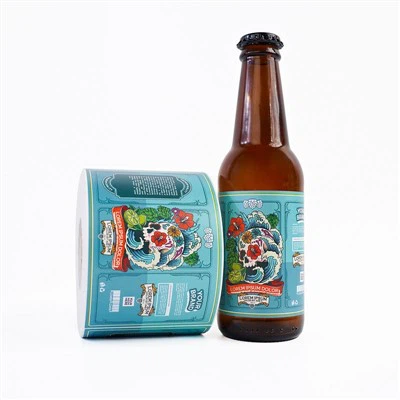
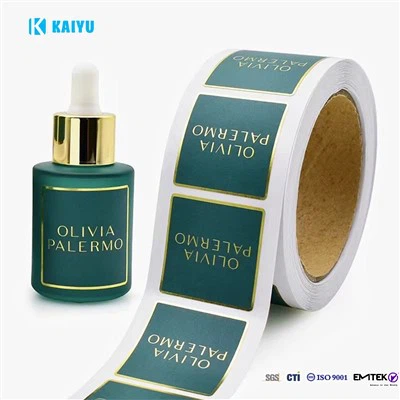
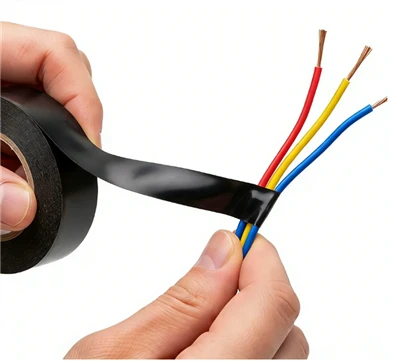
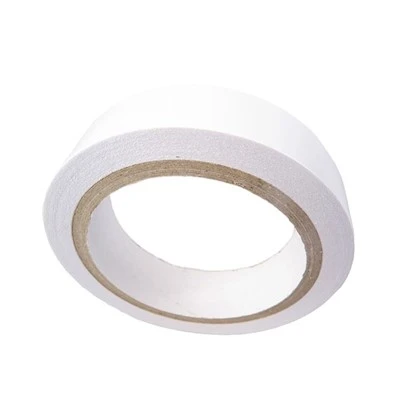
As a lightweight and practical information carrier, label paper, with its multiple structural and performance advantages, is widely used in many fields such as offices, warehousing, retail, and industry. Its characteristics are not only reflected in the diversity of materials and functions, but also in its ability to achieve efficient and reliable information transmission and goods management at low cost.
First, label paper has excellent information visibility. The surface can be printed or written on, clearly displaying text, numbers, barcodes, QR codes, etc., allowing users to obtain key data at a glance. Whether it's document filing numbers or batch and destination information for goods, labels can quickly identify them, effectively shortening search and verification time and improving work efficiency.
In terms of material adaptability, label paper exhibits strong flexibility. It can be made from ordinary paper, synthetic paper, or various films, with different substrates catering to different environmental needs. Paper labels are low-cost and suitable for indoor normal temperature conditions; synthetic paper and film labels combine strength and weather resistance, being waterproof, oil-proof, and tear-resistant, maintaining good condition even in outdoor signage, cold chain transportation, or industrial environments.
The ease of production and use is also a key feature of label paper. Many label papers come pre-installed with adhesive layers, allowing for direct application simply by peeling off the backing paper, without the need for additional fixing methods. Combined with thermal, inkjet, or laser printing technologies, high-speed mass production is possible, meeting the need for instant information updates. Thermal labels require no ink and are quick to print; inkjet labels offer rich colors; and laser labels provide fine and durable imaging. Each type has its own advantages and is suitable for different scenarios.
The versatility of adhesive properties further expands the applicability of label paper. For different adhesive surfaces and usage conditions, strong initial tack, removable, or permanent adhesives can be selected. For example, strong adhesives can be used on smooth metal surfaces to ensure long-term adhesion, removable adhesives can be used for temporary displays to avoid surface damage, and weather-resistant adhesives can be used to maintain stability in environments with large temperature differences or high humidity.
Furthermore, label paper also has advantages in terms of economy and environmental protection. Low production costs and flexible procurement allow for mass production to meet high-frequency use; at the same time, with the application of environmentally friendly paper and biodegradable films, label paper is gradually reducing its environmental impact while maintaining performance.
These characteristics of label paper enable it to play a stable role in information management, item classification, and process traceability, while improving overall operational efficiency in detail. With advancements in materials science and printing technology, its durability, aesthetics, and environmental friendliness will continue to be optimized, providing reliable and efficient labeling solutions for more scenarios.