Waterproof Shipping Labels vs. Regular Labels: Which One Do You Really Need?

A smeared shipping label can ruin a delivery. The choice between regular and waterproof labels comes down to one question: will your package get wet? This guide compares both options so you can pick the right one without overpaying.
Understanding Regular Shipping Labels
What Are Regular Labels Made Of?
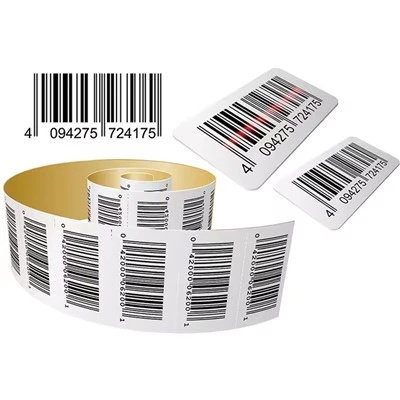
Regular shipping labels use paper face stock - usually matte or semi-gloss paper - with a general-purpose permanent adhesive. The paper absorbs moisture easily. When wet, the ink bleeds, the barcode blurs, and the label can fall apart.
When Regular Labels Work Perfectly
If your packages stay dry from pickup to delivery, paper labels work without a problem. Indoor shipments, climate-controlled trucks, and deliveries to covered porches in fair weather rarely expose labels to water. For these situations, regular labels are the cost-effective choice.
Understanding Waterproof Shipping Labels
What Makes a Label Waterproof?
Waterproof shipping labels use a synthetic plastic face material - such as polypropylene, polyester, or vinyl - that does not absorb water. Even if submerged, the label stays solid. The adhesive is also formulated to bond in wet, cold, or humid conditions, preventing peel-off.
Types of Waterproof Label Materials
Polypropylene (PP): Affordable, tear-resistant, and ideal for most parcels and poly mailers.
Polyester (PET): Extremely durable; resists water, chemicals, and abrasion. Good for long-haul or rough shipments.
Vinyl: Flexible and UV-resistant; conforms well to curved surfaces.
Synthetic Paper: Looks like paper but resists water. Check if it's fully waterproof or just water-resistant.
Waterproof vs. Regular Labels: Key Differences
Durability and Weather Resistance
A regular label starts to smudge in light rain and fails quickly in heavy rain. Waterproof labels withstand direct water exposure, even immersion, without losing print quality. They also resist UV fading and won't become brittle in cold temperatures.
Adhesive Performance in Harsh Conditions
Paper label adhesives can harden and lose grip in freezing temperatures, or soften and slide in high heat. Waterproof labels use acrylic adhesives designed for a wider temperature range. Freezer-grade variants stick down to -65°F (-54°C). For cold chain shipping or hot trucks, waterproof adhesive is essential.
Print Compatibility and Smudge Resistance
Regular paper works easily with inkjet, laser, and direct thermal printers. Waterproof labels need the correct coating for your printer. Inkjet requires a microporous coating, laser needs heat-rated films, and thermal transfer with a resin ribbon gives the best smudge resistance. Always verify compatibility.
Cost Comparison
Waterproof labels cost more per label - often 2 to 4 times the price of paper. But a single failed delivery from a ruined label costs far more in replacements and reputation. If water exposure is unlikely, stick with paper. If rain, condensation, or cold are risks, the extra cents are worth it.
How to Decide Which Label You Need
Ask yourself these questions:
Will my package sit outside on a dock, truck, or porch?
Does the route include rain, snow, high humidity, or condensation?
Am I labeling a smooth surface like a poly mailer or plastic bag?
Is a delivery delay due to label failure unacceptable?
General recommendations:
Dry, indoor shipments → Regular labels
E-commerce with mild weather → Regular labels, but switch to waterproof during wet seasons
Cold chain or freezer shipments → Waterproof freezer-grade labels
Poly mailers and plastic packaging → Waterproof polypropylene labels
International or unpredictable routes → Polyester waterproof labels
A simple test: if you wouldn't trust your labeled box in the rain for 30 minutes, use a waterproof label.
Frequently Asked Questions
Can I make a regular label waterproof with tape?
It rarely works. Tape often leaves edges exposed, and water seeps in. Tape can also peel off in cold weather. A purpose-made waterproof label is far more reliable.
Do waterproof labels work in my normal desktop printer?
Yes, if you buy the right type. Match the label coating to your printer: inkjet, laser, or thermal transfer. Check the product specifications before purchasing.
What's the difference between water-resistant and waterproof?
Water-resistant handles light splashes. Waterproof prevents water penetration, even under direct flow or short immersion. For shipping, true waterproof is safer if heavy moisture is possible.
Do waterproof labels leave residue?
Permanent waterproof labels may leave residue, especially on cardboard. Removable waterproof options are available if clean removal matters. Always test on your surface.
How can I test if my labels are waterproof enough?
Print a barcode, apply the label to your package, and spray it with water or submerge it briefly. Let it sit, then try scanning. This quick test tells you more than any rating.