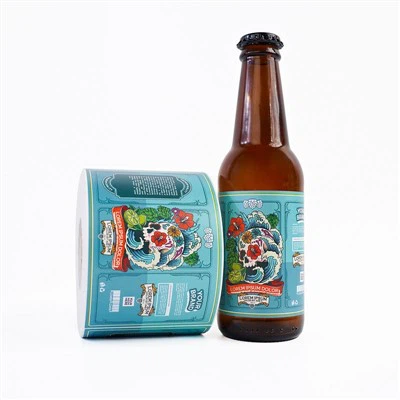
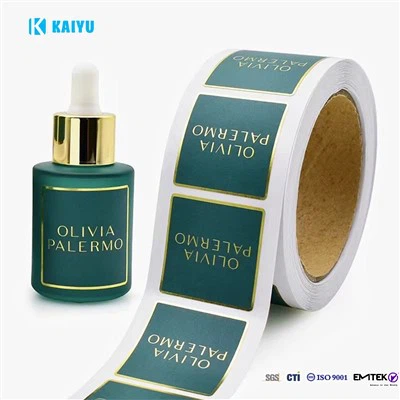
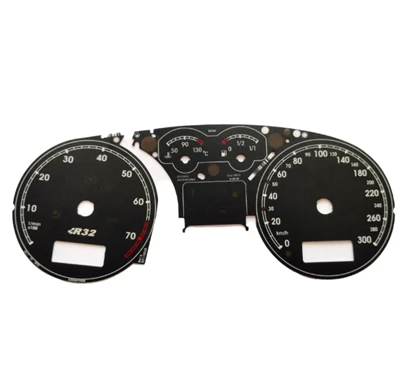
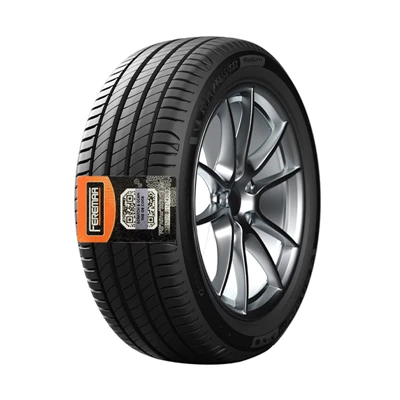
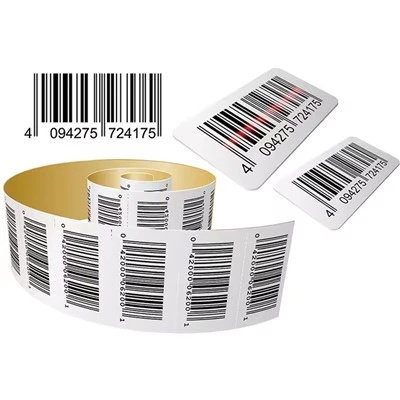
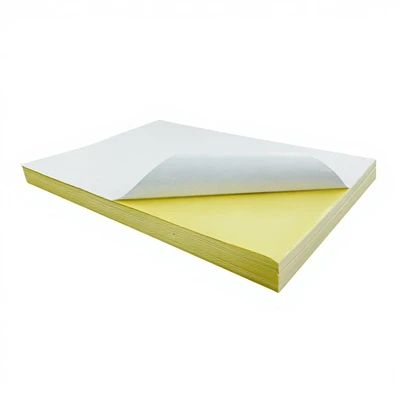
When you hold a product in your hands, the first thing you interact with is often its label. Self-adhesive labels (also known as pressure-sensitive labels) do far more than display a logo or barcode. They shape first impressions, communicate safety information, and even affect how long a product lasts on a shelf-or in a customer's home.
Whether you are sourcing labels for a new beverage line, cosmetic jar, or industrial chemical container, understanding what impact self-adhesive labels have on products is the first step to making a confident, cost-effective choice. This guide breaks down that impact across branding, functionality, compliance, and material science, helping you choose the right label for your specific product.
A label is often the silent salesperson on your packaging. Its visual and tactile qualities directly affect how consumers perceive quality, trust, and value.
First Impressions and Shelf Appeal
In a retail environment, you have less than three seconds to grab attention. A high‑definition self-adhesive label with vibrant colors, matte or gloss finishes, and precise die‑cutting signals professionalism. Conversely, a poorly applied or wrinkled label suggests carelessness, even if the product inside is excellent.
For example, a clear self-adhesive film label on a glass bottle of craft hot sauce creates a "no‑label" look that feels premium. The same design on a cheap, paper label that easily tears would reduce perceived value. This is why many premium brands invest in textured laminates or soft‑touch finishes-they trigger positive haptic responses.
Brand Consistency Through Label Design
Self‑adhesive labels allow you to match brand colors exactly, using digital or flexographic printing. Because they can be cut into virtually any shape (contour die‑cut), you are not limited to rectangles or circles. This flexibility helps maintain visual consistency across product lines, from small sample jars to large industrial pails.
Key takeaway for buyers: Always request a color proof and material sample before full production. What looks good on a glossy paper may appear dull on a matte synthetic film.
Functional Impacts: Durability, Resistance, and Application
Beyond looks, a label must survive its environment. The functional impact of a self-adhesive label is determined by two interdependent factors: the face material and the adhesive chemistry.
Material Choices and Environmental Resistance
|
Environment |
Recommended material |
Why it matters |
|
Freezer / refrigeration |
Synthetic films (polypropylene, polyethylene) |
Paper becomes brittle and peels off at low temperatures. |
|
Moisture / high humidity |
White BOPP or PET |
Resists water, condensation, and mold. |
|
Outdoor / UV exposure |
UV‑stable polyester (PET) with lamination |
Prevents yellowing and fading for 1‑3+ years. |
|
High‑friction shipping |
Heavy‑duty vinyl or textured film |
Resists scuffing and abrasion. |
Choosing the wrong material can lead to a label that curls, cracks, or washes off-directly harming customer trust and potentially violating safety label regulations.
Adhesive Strength and Removability
The adhesive is the hidden hero. Permanent adhesive bonds aggressively and is designed to rip if someone tries to peel the label off. This is ideal for security seals or tamper‑evident packaging. Removable adhesive allows clean removal for reusable containers, rental equipment, or temporary promotions.
There are also specialty options:
Freezer‑grade adhesive – remains tacky at -20°C
Oil / chemical‑resistant adhesive – designed for automotive or industrial fluids
Ultra‑removable (low‑tack) – used for "peel here" price stickers
⚠️ Common mistake: Using a permanent label on a glass jar that you plan to reuse. After a few wash cycles, the residue can become near‑impossible to remove.
The Role of Labels in Product Compliance and Information Delivery
For many regulated products (cosmetics, food, medical devices, chemicals), the label is a legal document. A non‑compliant label can cause fines or product recalls.
Regulatory Requirements for Product Labels
In the US, the Fair Packaging and Labeling Act (FPLA) and specific agencies like the FDA or CPSC mandate certain information: net quantity, ingredient lists, warnings, and manufacturer details. Self-adhesive labels are the most common way to meet these requirements because they can be applied to almost any container shape.
However, compliance also depends on the label's durability. A warning label that fades or falls off after one use is as useless as no warning at all. For this reason, chemical containers often use polyester labels with aggressive permanent adhesive and over‑lamination.
Clear Communication of Usage and Warnings
From a user experience (UX) perspective, a label is an interface. Font size, contrast, and iconography must be legible under expected conditions (e.g., dim bathroom lighting for a skincare product, or a bright warehouse for a cleaning concentrate). Self-adhesive labels allow variable data printing, so you can add batch‑specific expiration dates or serial numbers without changing the master artwork.
Comparing Label Types: Which One Suits Your Product?
To make an informed purchase, you need to compare the two most common families of self-adhesive materials.
Paper vs. Synthetic Self‑Adhesive Labels
Paper labels – Lowest cost, excellent print quality for short‑term use. Ideal for dry indoor products like books, food packaging with a short shelf life, or shipping boxes. Not waterproof.
Synthetic labels (polypropylene, polyester, vinyl) – Waterproof, tear‑resistant, and more durable. Higher upfront cost but essential for bath, beauty, beverage, and industrial products.
Permanent vs. Removable Adhesives – Side by Side
|
Feature |
Permanent |
Removable |
|
Typical use |
Brand labels, security, electronics |
Reusable containers, retail shelf tags |
|
Removal result |
Tears or leaves residue |
Comes off clean within 6‑12 months |
|
Best surface |
Cardboard, plastic, metal |
Smooth glass, stainless steel, HDPE |
How to Choose the Right Self-Adhesive Label for Your Product
Follow this four‑step decision framework to avoid expensive mistakes.
Step 1 – Assess the Surface and Shape
Curved, narrow containers (e.g., lip gloss tubes) – Use a thin, conformable material like white BOPP. Stiff paper will bridge and pop off.
Textured surfaces (e.g., recycled plastic bottles) – A thicker adhesive layer or a soft‑pressure application method is required.
Very small products (e.g., vials) – Consider wrap‑around self‑adhesive labels to maximize printable area.
Step 2 – Consider Cost vs. Performance Trade‑offs
A cheaper label may seem attractive, but if it fails in the field, repackaging or replacing product costs far more. Calculate total cost of ownership:
Price per thousand labels
Application scrap rate (how many labels misapply or fall off?)
Customer complaint rate due to damaged labels
Often, upgrading from paper to a mid‑range BOPP film adds only 20‑30% cost but eliminates 90% of field failures.
Step 3 – Test Before Full Production
Always perform a simple "real‑world" test:
Apply 10‑20 labels to actual product containers.
Subject them to the worst conditions they will see (humidity, cold, abrasion).
Wait 24‑48 hours, then check adhesion and readability.
Step 4 – Work with a Reputable Converter
Look for a label converter who provides material data sheets (including temperature range and adhesion values to different surfaces) and offers pre‑production samples. E‑E‑A‑T demands that you rely on proven expertise-ask for case studies from your industry.
Conclusion
The impact of self-adhesive labels on products extends far beyond decoration. They influence brand perception, ensure regulatory compliance, and determine how long a label stays legible and attached. By carefully matching material, adhesive, and design to your product's physical and environmental demands, you turn a simple label into a strategic asset.
Remember: a good label is invisible when it works perfectly. A bad label is all your customer will remember.
Frequently Asked Questions (FAQ)
1. What is the difference between self-adhesive and pressure‑sensitive labels?
They are the same thing. "Pressure‑sensitive" is the technical term: the adhesive bonds when pressure is applied (no heat, water, or solvent needed). "Self‑adhesive" is the common industry name.
2. Can self-adhesive labels be recycled?
It depends on the label and the container. Some converters offer wash‑off adhesives that separate from plastic bottles during the recycling process (e.g., PET bottle recycling). However, most film labels (BOPP, PET) on a cardboard box must be removed before the box is recycled. Always check with your local recycling guidelines.
3. How do I know if a self-adhesive label will stick well to my product surface?
Two simple tests: (1) The "thumb twist" – apply the label, wait 20 minutes, then press and twist your thumb firmly; if it slips or moves, adhesion is weak. (2) The "tape peel" – after 24 hours, try to lift a corner with adhesive tape; if the label lifts easily without resistance, it has not bonded. For a professional answer, request an ASTM D903 peel adhesion test from your label supplier.
4. What are the most common mistakes when buying self-adhesive labels for the first time?
Assuming "permanent" means it will stay on any surface (some plastics have low surface energy – you may need a primer or a specialized adhesive).
Ignoring temperature during application (applying labels below 10°C / 50°F often fails even with a good adhesive).
Choosing paper labels for a product that will be shipped in humid conditions.
5. Do self-adhesive labels affect food safety if used on food packaging?
By themselves, no – as long as the label is applied to the outside of sealed food packaging. However, the label must not contain toxic heavy metals (regulated under CONEG / TPCH). For direct food contact (e.g., a label on an apple), you need FDA‑compliant direct‑contact adhesive and inks, which are available but less common. Always state the intended use to your label converter.