Label Trends for the Next Three Years: Minimalist Design, Tactile Films, and Digital Printing - Are You On Board?

The label industry is shifting faster than most brands realize. What worked on shelves five years ago-busy designs, heavy ink coverage, generic materials-is losing ground to a new set of priorities. Consumers are more design-literate, more sustainability-conscious, and more willing to pay for products that feel considered.
Over the next three years, three forces will shape the most successful labels: minimalist design, tactile films, and digital printing. Each trend stands on its own, but together they form a powerful combination that can elevate a brand from forgettable to unforgettable.
This guide explains what each trend means, why it matters, and how your brand can get on board-without overhauling everything at once.
Why Label Trends Matter More Than Ever
Labels are no longer just identifiers. They are the front line of brand communication, the first physical touchpoint, and increasingly, a signal of values. A 2025 industry report found that 72% of consumers say packaging design influences their purchase decisions. Nearly three-quarters are making judgments before they read a single word.
At the same time, digital printing has lowered the barriers to entry. Small brands can now access premium finishes and short runs that were once reserved for multinationals. This democratization is driving rapid innovation-and raising consumer expectations.
The brands that thrive will be those that align with three key shifts: simplicity, sensory experience, and agility.
Trend 1: Minimalist Design - Less Is More
What It Looks Like
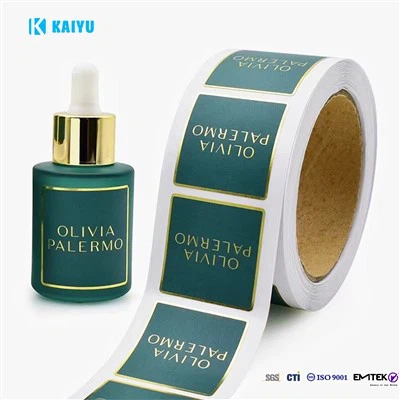
Minimalist labels use clean typography, generous white space, restrained color palettes, and a single focal point. Think Aesop, Glossier, or the quiet confidence of a premium skincare brand. No clutter. No noise. Just clarity.
Why It's Growing
The research is compelling. A 2024 study in the Journal of Marketing found that simple packaging signals purity and premium quality-consumers assume the product contains fewer ingredients and are willing to pay more for it. Minimalist design also enhances trust by signaling clarity and authenticity.
Younger consumers are driving this shift. Research consistently shows that Gen Z and Millennials prefer minimalist, modernist designs over ornate, detailed aesthetics. In an age of visual overload, simplicity cuts through.
The Sustainability Link
Minimalist design is also more sustainable. Less ink coverage, smaller label sizes, and reduced material use lower the environmental footprint. When eco-friendliness is a priority, consumers prefer visually simple designs.
How to Apply It
Reduce your color palette to two or three tones
Use one or two font families maximum
Embrace white space-it is not wasted space
Let one element be the hero: your logo, a single ingredient, or a bold claim
Trend 2: Tactile Films - The Power of Touch
What It Looks Like
Tactile films are label materials engineered to be felt as much as seen. Soft-touch laminates create a velvety, suede-like surface. Textured papers add grain and warmth. Embossing and debossing create raised or recessed details. Foil stamping adds metallic shine.
Why It's Growing
Touch is the most underrated sense in packaging. Research on haptic perception shows that consumers associate tactile quality with product quality. A label that feels premium in the hand reinforces every other element of the design.
The global luxury packaging market with tactile elements has been growing steadily, driven by demand in beauty, spirits, and premium food. As digital printing makes short runs more affordable, smaller brands are adopting tactile finishes that were once cost-prohibitive.
Where It Works Best
Beauty and skincare: Soft-touch matte films signal luxury and care
Spirits and wine: Embossed crests and textured papers convey heritage(wine labels)
Craft and artisan products: Uncoated, textured stocks feel handmade and authentic
Premium gifting: Tactile finishes enhance the unboxing experience
How to Apply It
Start with one tactile element: a soft-touch laminate or a single embossed detail
Test how the finish feels on your actual container-some textures look better than they feel
Balance tactile quality with readability; texture should not compromise legibility
Trend 3: Digital Printing - Agility, Personalization, and Lower Risk
What It Looks Like
Digital printing uses digital files instead of physical plates. Your design goes straight to the press, which applies ink or toner directly to the label material. No plates. No setup fees. No minimum order.
Why It's Growing
Digital label printing is projected to grow at 6–8% annually through 2030, outpacing flexographic growth globally. The reasons are practical:
No setup costs: Test new designs without plate fees
Short runs: Print 50, 100, or 1,000 labels economically
Variable data: Each label can be unique-serial numbers, QR codes, personalized messages
Fast turnaround: Days, not weeks
Design flexibility: Change artwork between batches
The Sustainability Angle
Digital printing produces less setup waste than flexo-typically 1–3% versus 3–8%. It also enables on-demand production, reducing inventory waste when products change or demand shifts.
How to Apply It
Use digital for launches, limited editions, and test runs
Move stable, high-volume designs to flexo when volumes justify it
Use variable data for traceability, promotions, and personalization
Consider hybrid printing for mid-volume runs needing premium finishes
How These Three Trends Work Together
Minimalist design, tactile films, and digital printing are not separate strategies-they reinforce each other.
A minimalist label with a soft-touch finish and digital printing creates a clean, premium, agile package. The design is simple, so the tactile quality stands out. The digital process makes it affordable to produce in small batches. And the combination tells consumers: this brand is thoughtful, modern, and cares about details.
This is the sweet spot for the next three years.
How to Get On Board: A Decision Framework
If You Are a Small Brand:
Start with digital printing for flexibility and low upfront cost
Adopt minimalist design to stand out on crowded shelves
Add one tactile element-a soft-touch laminate-to signal quality
If You Are a Mid-Sized Brand:
Use digital printing for new launches and limited editions
Transition stable products to flexo for cost efficiency
Invest in tactile finishes for your flagship products
If You Are an Established Brand:
Refresh packaging with minimalist design to stay relevant with younger consumers
Use tactile films to differentiate premium lines
Implement digital printing for personalization, traceability, and rapid response
Frequently Asked Questions
Q1: Why is minimalist label design growing so fast?
Because research consistently shows that simple packaging signals purity, premium quality, and authenticity. Consumers-especially younger ones-associate minimalist design with higher quality and are willing to pay more for it. It is also more sustainable, using less ink and material.
Q2: Are tactile films worth the extra cost?
For premium and artisan products, yes. Tactile finishes reinforce quality perception and enhance the unboxing experience. Even one tactile element-a soft-touch laminate or a single embossed detail-can elevate a label significantly. Test on your actual container to confirm the effect.
Q3: Is digital printing cheaper than flexo?
For short runs and frequent design changes, digital is cheaper because there are no plate costs. For large volumes of stable designs, flexo is cheaper per unit. Many brands use both: digital for launches and short runs, flexo for proven, high-volume products.
Q4: How do these trends work together?
Minimalist design, tactile finishes, and digital printing reinforce each other. A simple design lets tactile quality stand out. Digital printing makes small batches affordable. Together, they create a premium, agile, and sustainable label system.
Q5: Do these trends apply to all industries?
They are strongest in beauty, skincare, spirits, craft beverages, artisanal food, and premium gifting. But minimalist design, tactile quality, and digital printing are increasingly relevant across all consumer categories where brand perception matters.