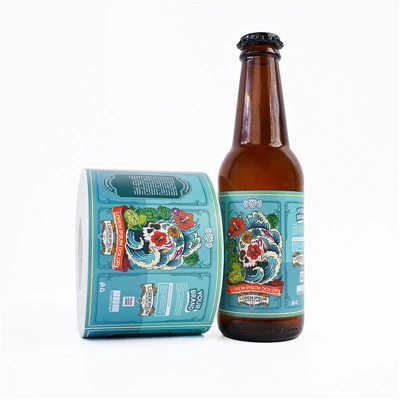
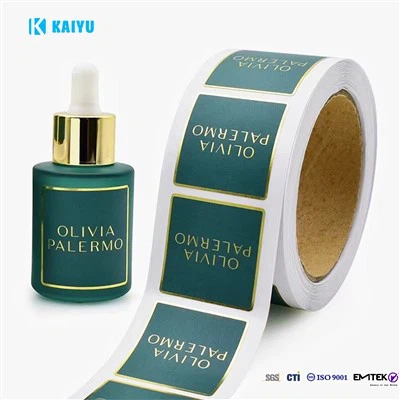
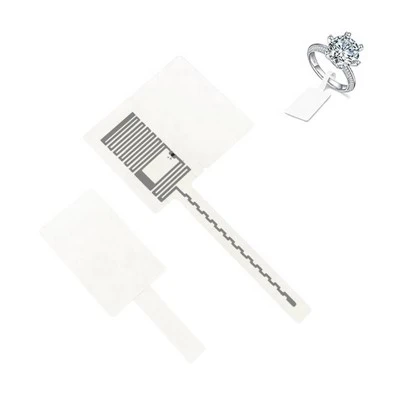
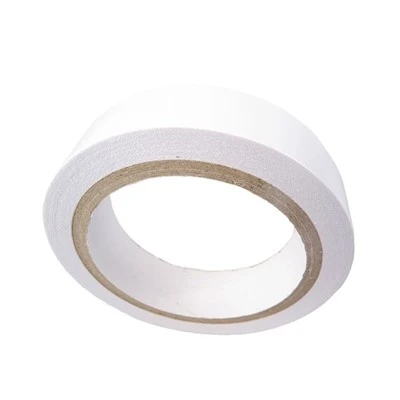
The value of adhesive tape lies not only in its simple pasting capabilities but also in its ability to provide tailored solutions for diverse needs in fixing, sealing, protection, and labeling.By appropriately selecting the type of tape and its application method to address different materials, environments, and functional requirements, previously challenging problems can be transformed into efficient and controllable operations.
In the packaging and transportation sector, common problems include easily cracked corners of cartons, weak seals, or delamination in humid environments. The solution is to use tear-resistant cloth-based tape or reinforced polypropylene sealing tape. These tapes have a high-toughness base material, combined with a high initial tack rubber-based adhesive, ensuring stability under handling vibrations and humidity changes. For applications requiring frequent unpacking, low-residue reusable tape or easy-tear seals can be used, providing temporary fixation while minimizing damage to the box upon opening.
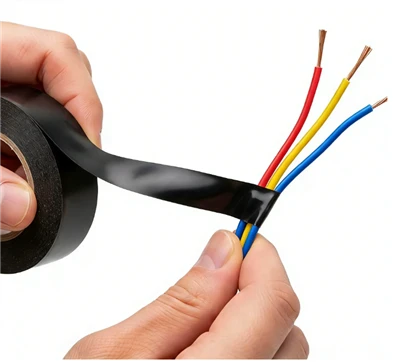
In industrial equipment maintenance, irregular surfaces, high-temperature components, or situations requiring insulation protection are frequently encountered. In this context, the combination of cloth-based and silicone tapes offers greater advantages: cloth-based tape provides strong tensile strength and abrasion resistance, suitable for pipe wrapping and cable bundling; silicone tape offers good high and low temperature resistance and electrical insulation, forming a tight seal on motor housings or exhaust pipe bends to resist oil and heat radiation. Conductive tape provides a simple path for electromagnetic interference shielding and grounding, with the substrate and metal powder combining to achieve dual electrical and safety protection.
In building decoration scenarios, the compatibility of tapes is crucial for wall crack repair, temporary tile fixing, and paint masking. Masking tape, with its moderate adhesion and residue-free removal, is an ideal choice for masking paint; fiber-reinforced paper tape can provide some tensile strength at joints in lightweight partition walls, reducing the probability of cracking; waterproof cloth-based tape is used for emergency sealing of leaks in exterior walls, preventing rainwater infiltration and maintaining a short-term seal.
Electronic equipment assembly and repair emphasize precision and non-destructive processes. Low-tack antistatic tapes protect components from electrostatic damage during circuit board handling and testing without leaving residue; transparent polyester tapes can be used for temporary fixation of screens or housings, facilitating positioning and adjustment; hot-melt tapes enable rapid bonding in confined spaces, reducing the use of screws and clamps and improving assembly efficiency.
Faced with environmental and sustainability requirements, solutions using biodegradable substrates and water-soluble adhesives are gradually being adopted. Polylactic acid film tapes decompose naturally after single-use packaging and agricultural film coating, reducing white pollution; water-based acrylic tapes reduce volatile organic compound (VOC) release and improve safety in interior decoration and food contact scenarios.
Tape solutions revolve around "choosing the right type-matching the environment-optimizing usage." By analyzing the materials, temperature and humidity conditions, mechanical loads, and post-processing requirements in specific working conditions, combining the advantages of different substrates and adhesive systems can create reliable and economical solutions, allowing tapes to continue to play a flexible and precise role in packaging, industry, construction, electronics, and environmental protection.