Kraft Paper Labels vs Coated Paper Labels: What's the Difference?

Choosing the right label for your product is essential. Two popular options are kraft paper labels and coated paper labels. They differ in appearance, durability, print quality, eco‑friendliness, and ideal applications. This guide summarises those differences and helps you decide which one fits your branding and packaging needs.
Kraft Paper Labels
Characteristics
- Made from unbleached natural wood pulp → earthy brown colour, rustic look.
- Slightly rough, natural texture.
- Often made from recycled materials; fully recyclable and compostable.
- Strong and tear‑resistant.
Best suited for
- Organic food products
- Handmade / artisanal goods
- Eco‑conscious brands
- Rustic or vintage packaging
Brand message – authenticity, simplicity, sustainability.
Coated Paper Labels
Characteristics
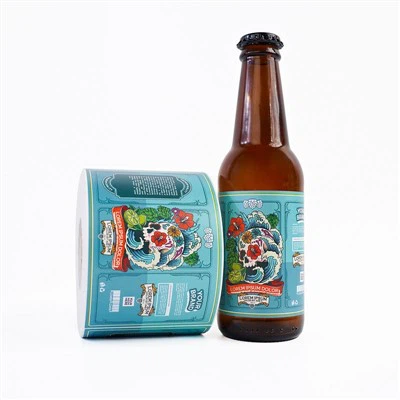
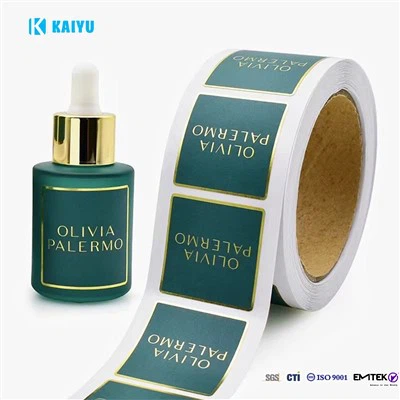
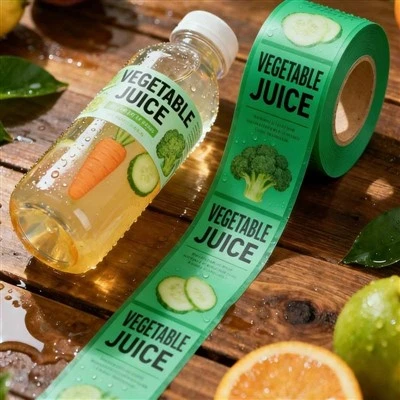
- Smooth surface with a glossy or matte coating.
- Sharp, vibrant colours and crisp printing.
- Improved water and scratch resistance (coating acts as a protective layer).
Best suited for
- Beverage bottles (wine, craft beer, soda)
- Cosmetics and beauty products
- Luxury or premium goods
- Promotional materials
Brand message – professionalism, polish, high‑end appeal.
Key Differences at a Glance
| Feature | Kraft Paper Labels | Coated Paper Labels |
|---|---|---|
| Appearance | Raw, earthy brown, rustic | Smooth, glossy/matte, vivid colours |
| Texture | Rough, natural | Smooth, refined |
| Print quality | Muted, natural tones | Bright, sharp, high‑definition |
| Durability | Tear‑resistant, strong | Water‑ and scratch‑resistant (coating) |
| Eco‑friendliness | Recyclable, compostable | Coating may complicate recycling |
| Typical use | Organic, handmade, rustic branding | Professional, colourful, luxury branding |
How to Choose
a) Branding & design
Kraft → natural, organic, or vintage aesthetic.
Coated → bold colours, sharp graphics, premium finish.
b) Product type
Kraft → jams, crafts, eco‑items, artisanal foods.
Coated → cosmetics, drinks, electronics, luxury packaging.
c) Durability needs
Coated → better moisture and scratch protection.
Kraft → sufficient for short‑term, low‑exposure use.
d) Environmental impact
Kraft → more sustainable (recycled content, easy recycling/composting).
Coated → less eco‑friendly due to coatings.
e) Budget
Kraft → generally more cost‑effective, especially for small/medium runs.
Coated → slightly higher cost due to extra processing.
Summary Recommendation
Choose kraft paper labels if your brand values sustainability, rustic charm, and a natural look.
Choose coated paper labels if you need vibrant colours, a sleek finish, and higher resistance to water/scratches.
Many brands use both for different product lines or seasonal campaigns. Always request samples from your supplier to test the material and print quality before committing.
Frequently Asked Questions (FAQ)
Q1: Can kraft paper labels be printed in full colour?
Yes, but the brown base will tone down the colours, resulting in a muted, earthy palette rather than bright neon shades.
Q2: Are coated paper labels waterproof?
They are more water‑resistant than uncoated kraft, but not 100% waterproof unless extra lamination or synthetic materials are added.
Q3: Which label type is more eco‑friendly?
Kraft paper labels are generally more eco‑friendly because they are made from natural fibres, often recycled, and easily recyclable/compostable.
Q4: Can coated paper labels be used outdoors?
They offer better protection against moisture and scratches, but for prolonged outdoor exposure, synthetic labels are recommended.
Q5: Do coated paper labels cost more than kraft paper labels?
Typically yes, due to additional coating and finishing steps. However, prices vary by order volume and supplier.