Key Processes to Consider When Ordering Custom Waterproof Labels: Lamination, Varnishing, or Special Coatings

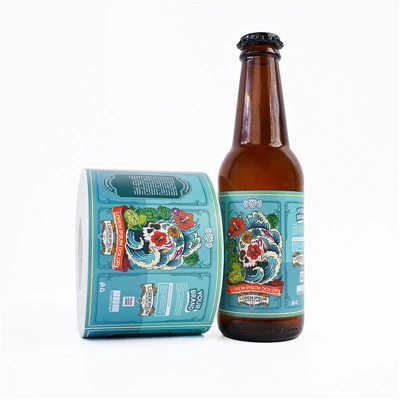
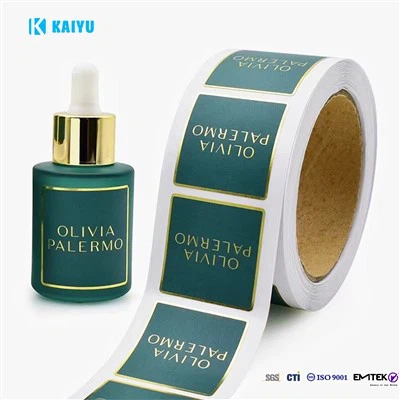
When it comes to custom waterproof labels, the finishing process plays a crucial role in durability, appearance, and usability. Whether you are designing labels for bottles, packaging, or outdoor products, understanding the differences between lamination, varnishing, and special coatings will help you make the best choice for your needs.
In this article, we break down these three key processes to guide your custom label printing decisions, helping you compare options, select the right finish, and ensure your labels last longer.
Why the Right Finish Matters for Custom Waterproof Labels
Custom waterproof labels need more than just strong adhesive-they must withstand moisture, abrasion, and everyday handling. The finishing method you choose affects:
Water resistance: Will the label stay intact when wet?
Durability: Will colors and design last over time?
Visual appeal: Does the label look professional and high-quality?
Understanding the differences between lamination, varnishing, and special coatings helps you compare options and choose the right finish for your product.
Lamination – The Protective Layer That Lasts
-
What Lamination Does
Lamination involves applying a thin plastic layer over your label. This protective layer enhances water resistance, scratch resistance, and color vibrancy. Laminated labels are ideal for bottles, outdoor products, or any surface exposed to moisture.
-
Types of Lamination
Gloss Lamination: Creates a shiny, eye-catching finish.
Matte Lamination: Offers a smooth, subtle look without glare.
Soft-Touch Lamination: Adds a luxurious, tactile feel.
Tip: Laminated labels are thicker and sturdier, but they can slightly increase production costs.
Varnishing – Enhancing Appearance and Protection
- What Varnishing Involves
Varnishing is a process where a transparent liquid coating is applied to the label surface. Unlike lamination, varnish is lighter and can highlight specific areas, making it ideal for spot effects or full-surface protection.
-
Benefits of Varnishing
Protects against minor moisture and UV exposure.
Enhances color depth and glossiness.
Allows selective highlighting of logos or text with spot varnish.
Tip: Varnish is best for labels that need visual appeal and moderate protection but not heavy-duty waterproofing.
Special Coatings – Advanced Protection and Effects
-
What Special Coatings Are
Special coatings include UV coatings, anti-scratch coatings, and tactile finishes. These are more technical and customizable than lamination or varnishing. Some coatings even make labels resistant to oils, chemicals, or extreme temperatures.
-
When to Choose Special Coatings
For premium products where durability and aesthetics matter.
For industrial or outdoor labels needing high resistance.
To create unique textures or finishes for brand differentiation.
Tip: Special coatings often require professional advice from your printer to match your product and usage conditions.
Choosing Between Lamination, Varnish, and Special Coatings
When selecting a finishing method for your custom waterproof labels:
| Feature | Lamination | Varnishing | Special Coatings |
|---|---|---|---|
| Waterproof protection | High | Medium | Very High |
| Visual appeal | Glossy/Matte | Glossy/Spot Effects | Customizable |
| Durability | Long-lasting | Moderate | Exceptional |
| Cost | Moderate to High | Low to Moderate | High |
| Best for | Outdoor, moisture-prone | Decorative or retail labels | Premium/industrial labels |
Tip: If your label needs full waterproof protection and longevity, lamination or special coatings are usually the best choices. Varnishing is ideal for decorative purposes with light moisture exposure.
Final Thoughts
Choosing the right finishing process for custom waterproof labels ensures your labels stay intact, look professional, and represent your brand well. Consider your product's usage, exposure to water, and budget when deciding between lamination, varnish, or special coatings. Investing in the right finish now can save you from costly label replacements later.
Frequently Asked Questions (FAQ)
1. Can laminated labels be reused?
No, laminated labels are designed for durability but are not removable for reuse without damaging the adhesive or the lamination layer.
2. Does varnish make labels fully waterproof?
Varnish provides some water resistance but is not as effective as lamination or special coatings for full waterproofing.
3. Are special coatings more expensive than lamination?
Yes, special coatings are usually more costly due to advanced protection and customization options.
4. Can I combine varnish and lamination?
Yes, applying both can provide extra durability and visual effects, but this may increase production time and cost.
5. Which finish is best for outdoor labels?
Lamination or special coatings are recommended for outdoor use due to their superior water, UV, and scratch resistance.