How to Choose the Right Bottle Labels for Your Product Packaging
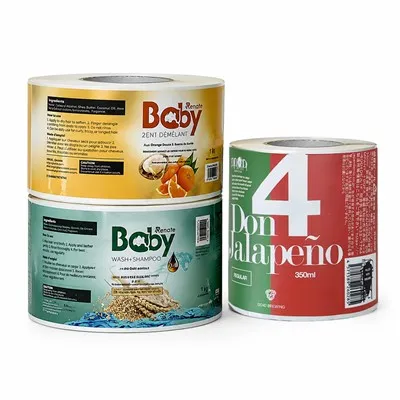
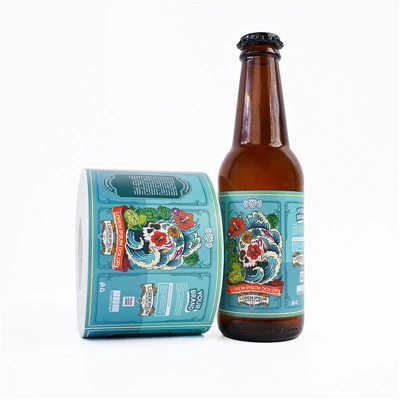
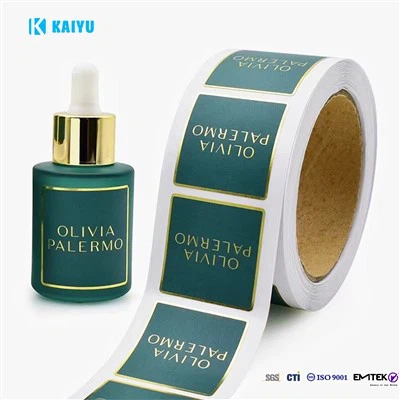
Bottle labels do much more than display a product name. They help customers recognize your brand, understand your product, and decide whether to buy it. A well-designed bottle label can improve shelf appeal, protect important information, and even increase customer trust.
However, choosing the right bottle labels is not always simple. Different products require different materials, adhesives, finishes, and printing methods. A label that works well for a shampoo bottle may fail on a cold beverage bottle or an oil container.
In this guide, you will learn how to choose the best bottle labels for your product packaging based on durability, appearance, application, and budget.
Why Bottle Labels Matter in Product Packaging
Bottle labels are often the first thing customers notice. In competitive markets such as beverages, cosmetics, health supplements, and household products, packaging plays a major role in purchasing decisions.
Good custom bottle labels can help you:
Build a professional brand image
Improve product visibility on shelves
Communicate important product information
Protect labels from water, oil, or scratches
Increase customer confidence and product value
Poor-quality labels, on the other hand, may peel off, fade, wrinkle, or damage your brand reputation.
Understand Your Product Environment First
Before choosing label materials or finishes, think about where and how the bottle will be used.
Will the Bottle Be Exposed to Water?
Products stored in refrigerators, bathrooms, or kitchens usually need waterproof bottle labels. Water exposure can damage paper labels and cause ink fading.
Examples include:
Beverage bottles
Shampoo bottles
Cosmetic containers
Cleaning products
For these products, film materials like BOPP or vinyl are usually better than standard paper labels.
Will the Bottle Come Into Contact With Oil or Chemicals?
Essential oils, sauces, automotive fluids, and chemical products may damage ordinary labels. Oil-resistant labels with strong adhesives are recommended for these applications.
Will the Bottle Be Used Indoors or Outdoors?
Outdoor products require UV-resistant and weatherproof label materials to prevent fading and peeling.
Choose the Right Bottle Label Material
The material is one of the most important factors in bottle label performance.
Paper Bottle Labels
Paper labels are affordable and suitable for dry indoor environments.
Best For:
Wine bottles
Craft products
Dry food containers
Promotional packaging
Advantages:
Cost-effective
Easy to print
Premium texture options available
Limitations:
Not waterproof
Less durable in humid environments
BOPP Bottle Labels
BOPP (Biaxially Oriented Polypropylene) is one of the most popular materials for custom printed bottle labels.
Best For:
Beverage bottles
Health supplements
Cosmetics
Household products
Advantages:
Waterproof
Oil-resistant
Durable and flexible
Suitable for curved bottles
BOPP labels are available in white, clear, and metallic finishes.
Clear Bottle Labels
Clear labels create a "no-label look" that gives products a clean and modern appearance.
Best For:
Premium beverages
Luxury cosmetics
Transparent bottles
Advantages:
Minimalist design
High-end appearance
Allows bottle color to show through
However, clear labels require careful artwork design to ensure readability.
Select the Right Adhesive
Even the best-looking label can fail if the adhesive is not suitable for the bottle surface.
Permanent Adhesive
Permanent adhesive is ideal for products that require long-term durability.
Common uses include:
Beverage packaging
Cosmetic labels
Industrial bottles
Removable Adhesive
Removable labels can be peeled off without leaving residue.
Common uses include:
Promotional stickers
Temporary packaging
Reusable containers
Cold-Temperature Adhesive
If products are stored in refrigerators or freezers, standard adhesives may lose performance. Cold-temperature adhesives help labels stay attached in low-temperature environments.
Consider Label Finishes and Protection
Label finishes affect both appearance and durability.
Gloss Lamination
Gloss finishes create bright colors and a shiny appearance.
Benefits:
Strong visual impact
Better moisture resistance
Easy to clean
Gloss lamination is commonly used for beverage and cosmetic bottle labels.
Matte Lamination
Matte finishes create a soft and elegant appearance.
Benefits:
Premium feel
Reduced glare
Modern aesthetic
Matte labels are popular in luxury skincare and wellness packaging.
UV Coating
UV coating adds extra protection against scratches and fading while improving print quality.
It is suitable for products exposed to sunlight or frequent handling.
Match the Label Design to Bottle Shape
Bottle shape affects label application and appearance.
Flat Bottles
Flat surfaces are easier for label application and support most label materials.
Curved Bottles
Curved bottles require flexible materials and stronger adhesives to prevent lifting or wrinkling.
For highly curved surfaces, thinner film materials usually perform better.
Think About Printing Method and Order Quantity
Different printing methods are suitable for different order sizes.
Digital Printing
Digital printing works well for:
Small batches
Fast turnaround
Multiple SKU designs
It is a cost-effective solution for startups and seasonal products.
Flexographic Printing
Flexographic printing is better for:
Large-volume production
Consistent color matching
Long-term manufacturing
Although setup costs are higher, unit costs become lower for large orders.
Compliance and Label Information Are Also Important
Bottle labels should not only look attractive but also provide clear and accurate information.
Depending on your industry, labels may need:
Ingredients
Barcodes
Expiration dates
Usage instructions
Warning labels
Regulatory information
Make sure text remains readable even after adding decorative elements.
Common Mistakes to Avoid When Choosing Bottle Labels
Many businesses focus only on design and forget practical performance.
Here are some common mistakes:
Choosing the Cheapest Material
Low-cost materials may fail quickly in humid or cold environments.
Ignoring Application Conditions
Always test labels on actual bottles before mass production.
Using the Wrong Finish
A beautiful matte label may not survive heavy moisture exposure without proper protection.
Overcrowding the Design
Too much text can make labels difficult to read and reduce visual appeal.
How to Choose the Best Bottle Labels for Your Brand
The best bottle labels combine functionality, durability, and visual appeal. When selecting labels, consider:
Product environment
Bottle material and shape
Moisture and oil exposure
Branding goals
Printing budget
Order quantity
Testing different label materials and finishes before final production can help avoid costly mistakes.
Working with an experienced label printing supplier can also help you choose the right combination of material, adhesive, and finish for your specific application.
Conclusion
Choosing the right bottle labels is an important part of successful product packaging. The right label improves product appearance, protects your branding, and helps customers trust your product.
Whether you need waterproof bottle labels for beverages, clear labels for cosmetics, or durable labels for industrial products, selecting the correct material and finish will improve both performance and customer experience.
Before placing a large order, always test label samples under real usage conditions. A small investment in the right label solution can make a big difference in product presentation and long-term brand value.
FAQ About Bottle Labels
1. What is the best material for waterproof bottle labels?
BOPP labels are one of the best choices for waterproof bottle labels because they resist water, oil, and moisture while remaining durable and flexible.
2. Are paper bottle labels waterproof?
No. Standard paper labels are usually not waterproof unless they are protected with special lamination or coatings.
3. What is the difference between clear bottle labels and paper labels?
Clear bottle labels create a transparent "no-label look," while paper labels provide a more traditional texture and appearance.
4. Which finish is better for bottle labels: matte or gloss?
Gloss finishes provide brighter colors and stronger moisture resistance, while matte finishes create a softer and more premium appearance.
5. Can bottle labels be used in refrigerators or freezers?
Yes, but you should use waterproof materials and cold-temperature adhesives designed for refrigerated or frozen environments.
6. What printing method is best for custom bottle labels?
Digital printing is ideal for small runs and fast production, while flexographic printing is better for large-volume orders with consistent color requirements.