Gone in Water: How Water-Soluble Labels Are Redefining Sustainable Packaging
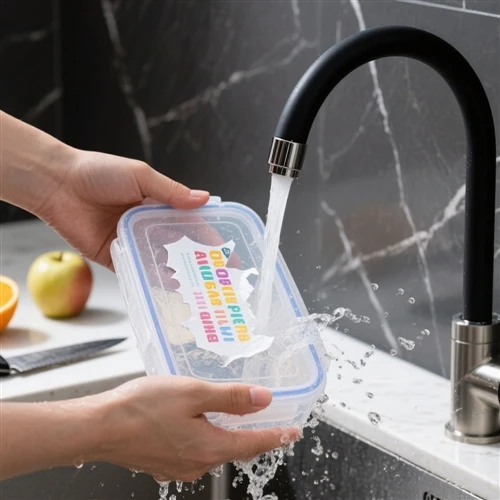
Imagine peeling a label off a jar and watching it disappear under the tap. No sticky residue. No torn paper. No waste. That is exactly what water-soluble labels do. They look and stick like normal labels, but when they meet water, they dissolve completely - leaving nothing behind but a cleaner planet.
This guide explains how water-soluble labels work, where they are used, and what to consider before making the switch.
What Are Water-Soluble Labels?
The Basics
Water-soluble labels are adhesive labels made from materials that dissolve in water. The face material - the part you see and touch - is typically made from water-soluble paper or a bio-based polymer film. The adhesive is also water-soluble. When the label is immersed in water, both the face and the adhesive dissolve, leaving no residue and no microplastic particles behind.
How They Differ from Wash-Off Labels
Wash-off labels and water-soluble labels are sometimes confused, but they work differently. Wash-off labels are designed to detach cleanly from a container during industrial recycling. The label floats away intact. Water-soluble labels, by contrast, actually dissolve. The material breaks down in water, leaving no solid waste at all.
How Water-Soluble Labels Work
The Materials Behind the Magic
The most common face material is polyvinyl alcohol (PVA), a water-soluble synthetic polymer. PVA films can be engineered to dissolve at different temperatures - some dissolve in cold water, while others require hot water. Newer options include bio-based films made from materials like milk protein, which are fully biodegradable and leave no microplastic residue.
The adhesive is the other key component. Water-soluble adhesives are typically based on PVA or starch derivatives. They hold the label firmly in place during normal use but break down quickly when submerged.
The Dissolving Process
When a water-soluble label contacts water, the process happens in stages. First, water penetrates the face material. The material swells and begins to break apart. Then the adhesive layer dissolves, releasing the label from the surface. Finally, everything disperses in the water, leaving no solid residue. In some products, the entire label dissolves in under 30 seconds.
Where Water-Soluble Labels Shine
Food Service and Reusable Containers
This is the most obvious use case. Restaurants, catering companies, and food delivery services use water-soluble labels on reusable containers. When the container is washed, the label disappears - no scraping, no soaking, no adhesive gunk left behind. Avery Dennison's dissolvable labels are FDA-compliant for indirect food contact, making them safe for food service applications.
The hygiene benefit is real. Traditional labels leave exposed adhesive where dust and bacteria can collect. Water-soluble labels leave no adhesive at all, reducing contamination risk.
Recycling and Bottle Reuse
Water-soluble labels also play a role in recycling. When PET bottles are recycled, labels and adhesives can contaminate the recycled material. Water-soluble labels dissolve during the washing stage, leaving PET flakes clean and pure. This supports bottle-to-bottle recycling, where recycled plastic is turned into new bottles rather than lower-value products.
Composting and Organic Waste
Water-soluble labels are also compatible with composting systems. When applied to fruit stickers or compostable packaging, they break down along with the organic waste. This prevents the contamination that occurs when traditional plastic labels end up in compost bins.
The Benefits of Water-Soluble Labels
Zero Waste, Zero Residue
The biggest benefit is simplicity. When the label dissolves, there is nothing to dispose of. No liner, no adhesive residue, no paper scraps. For businesses that wash thousands of containers a day, this eliminates an entire waste stream.
Improved Hygiene
No exposed adhesive means no place for dust, dirt, or bacteria to collect. This is especially important in food service, healthcare, and any environment where cleanliness matters.
Supporting the Circular Economy
Water-soluble labels make reuse and recycling easier. Containers can be washed and reused without the frustration of stubborn labels. Recycled materials are cleaner because labels do not contaminate the stream. Composting systems are not clogged by plastic stickers.
Market Growth and Adoption
The water-soluble label market is growing fast. It was valued at $1.36 billion in 2025 and is projected to reach $2.79 billion by 2034, a compound annual growth rate of 8.3%. Another analysis values the water-dissolvable label market at $117.9 million in 2025, growing to $192.0 million by 2035. The growth is driven by stricter regulations on plastic waste, corporate sustainability commitments, and consumer demand for eco-friendly packaging.
Limitations and Considerations
Moisture Sensitivity
Water-soluble labels are sensitive to moisture, humidity, and temperature. If exposed to high humidity or accidental water contact, they may dissolve or degrade prematurely. This makes them unsuitable for products stored in damp environments or products that need to survive rain or condensation.
Cost
Water-soluble labels typically cost more than standard labels. The materials are more expensive, and production volumes are still relatively low. This can be a barrier for small businesses, though costs are expected to fall as adoption grows.
Limited Durability
These labels are not designed for long-term outdoor use or harsh conditions. They work best in controlled environments where the label will stay dry until it is ready to be removed.
How to Choose Water-Soluble Labels
Step 1: Define Your Use Case
Are you labeling reusable food containers? Bottles for recycling? Fruit for composting? Each use case has different requirements for adhesive strength, dissolution speed, and food safety.
Step 2: Check Food Safety Compliance
If the label will contact food directly or indirectly, confirm that it meets FDA regulations. Avery Dennison's dissolvable labels meet FDA 21 CFR 175.105 for indirect food contact. Other manufacturers offer similar compliance.
Step 3: Test Under Real Conditions
Request samples and test them. Apply the label to your actual container. Wash it the way your facility washes containers. Check the dissolution time and confirm that no residue remains. What works in a lab may behave differently in your dishwasher.
Step 4: Consider Temperature Requirements
Some water-soluble labels dissolve in cold water. Others need hot water. Match the label to your washing process. If your facility uses cold-water washing, choose a cold-soluble label. If you use hot water, you have more options.
FAQ
Q1: What are water-soluble labels made of?
A: Water-soluble labels are typically made from polyvinyl alcohol (PVA) film or bio-based films. The adhesive is also water-soluble, often based on PVA or starch. When submerged, both the face and adhesive dissolve completely.
Q2: How long does it take for a water-soluble label to dissolve?
A: Dissolution time varies by product. Some labels dissolve in under 30 seconds when submerged in water. Others may take longer depending on water temperature and label thickness.
Q3: Are water-soluble labels safe for food contact?
A: Many are. Look for labels that meet FDA regulations for indirect food contact, such as FDA 21 CFR 175.105. Always confirm compliance with your specific application.
Q4: Can water-soluble labels be used on PET bottles for recycling?
A: Yes. Water-soluble labels dissolve during the washing stage of PET recycling, leaving clean PET flakes. This supports high-quality bottle-to-bottle recycling.
Q5: Are water-soluble labels more expensive than regular labels?
A: Yes, they typically cost more. The materials are more expensive and production volumes are lower. However, costs are expected to decrease as adoption grows and technology improves.
Q6: What are the main limitations of water-soluble labels?
A: They are sensitive to moisture and humidity, so they are not suitable for damp environments or products that need to survive rain. They also cost more than standard labels and may not be as durable in harsh conditions.