Custom Alcohol Beverage Labels: Everything You Need to Know Before Ordering
In the highly competitive alcohol beverage market, packaging plays a critical role in attracting customers and building brand recognition. While the bottle shape and product quality matter, the label is often the first thing consumers notice on a store shelf.
Whether you're launching a craft beer, premium wine, whiskey, vodka, gin, or other alcoholic beverage, choosing the right custom alcohol beverage labels can significantly impact your product's success.
Before placing an order, it's important to understand label materials, printing methods, finishes, compliance requirements, and design considerations. This guide will help you make informed decisions and choose the best alcohol beverage labels for your brand.
Types of Alcohol Beverage Labels
Different types of alcoholic beverages often require different labeling solutions.
Wine Bottle Labels
Wine labels typically focus on elegance, storytelling, and premium presentation.
Common features include:
Textured papers
Foil stamping
Embossing
Matte finishes
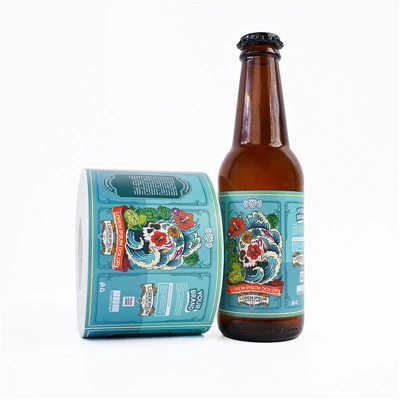
Beer Bottle Labels
Beer labels often emphasize creativity and brand personality.
Common materials include:
Waterproof BOPP labels
Glossy labels
Vibrant full-color printing
Spirits Labels
Labels for whiskey, vodka, rum, tequila, and gin usually combine luxury design with durability.
Popular finishing options include:
Metallic foils
Embossed logos
Spot UV coating
Premium paper stocks
Choosing the Right Label Material
One of the most important decisions when ordering custom alcohol beverage labels is selecting the appropriate material.
Paper Labels
Paper labels offer a classic appearance and excellent print quality.
Best for:
Wine bottles
Premium spirits
Limited-edition products
Advantages:
Cost-effective
Elegant appearance
Excellent for specialty finishes
Limitations:
Less resistant to moisture
BOPP Labels
Biaxially Oriented Polypropylene (BOPP) is one of the most popular materials for beverage label printing.
Best for:
Beer bottles
Refrigerated beverages
Ready-to-drink cocktails
Advantages:
Waterproof
Oil-resistant
Durable
Scratch-resistant
Clear Labels
Clear labels create a "no-label" look that allows the bottle itself to become part of the design.
Best for:
Premium spirits
Modern beverage brands
Luxury packaging
Advantages:
Clean appearance
Premium aesthetic
High-end branding
Premium Finishes That Increase Shelf Appeal
Premium finishing techniques can significantly enhance perceived product value.
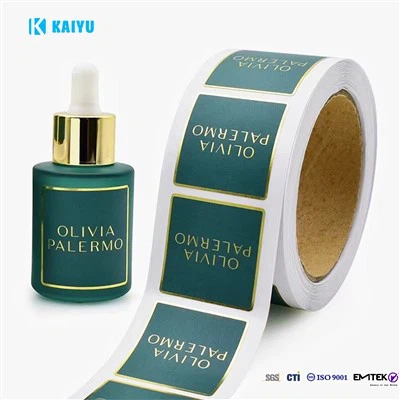
Foil Stamping
Foil stamping adds metallic accents that create a luxurious appearance.
Popular choices:
Gold foil
Silver foil
Copper foil
Embossing and Debossing
These techniques create raised or recessed design elements.
Benefits:
Enhanced texture
Premium feel
Improved brand recognition
Spot UV Coating
Spot UV highlights specific design elements with a glossy finish.
Common applications:
Logos
Product names
Decorative graphics
Matte and Gloss Lamination
Lamination protects labels while improving appearance.
Matte finishes offer sophistication, while gloss finishes create vibrant colors.
Common Mistakes to Avoid When Ordering Alcohol Labels
Choosing Materials Based Only on Cost
The cheapest material may not perform well in refrigeration or moisture-rich environments.
Ignoring Application Conditions
Consider storage, transportation, and retail conditions before selecting materials.
Using Low-Resolution Artwork
Poor-quality artwork can reduce the perceived value of premium products.
Overcomplicating the Design
Too much information can overwhelm customers and reduce visual impact.
Skipping Print Proofs
Always review physical samples before mass production.
How Much Do Custom Alcohol Beverage Labels Cost?
Several factors affect pricing:
Label size
Material type
Printing method
Order quantity
Special finishes
Number of label versions
Generally, larger order quantities reduce the cost per label. However, premium materials and luxury finishing options will increase overall production costs.
Working with an experienced label manufacturer can help optimize costs without compromising quality.
Frequently Asked Questions (FAQ)
1. What is the best material for alcohol beverage labels?
BOPP labels are often the best choice for beer and refrigerated beverages because they are waterproof and durable. Premium paper labels are commonly used for wine and spirits.
2. Are alcohol bottle labels waterproof?
They can be. Waterproof alcohol labels are typically made from BOPP or other synthetic materials with protective coatings or laminations.
3. What printing method is best for custom alcohol labels?
UV digital printing is ideal for short runs and customized designs, while flexographic printing is more cost-effective for large production volumes.
4. Can alcohol labels include QR codes?
Yes. QR codes are increasingly used to provide product information, marketing content, authenticity verification, and customer engagement opportunities.
5. What finishing options make alcohol labels look premium?
Foil stamping, embossing, debossing, spot UV coating, and textured papers are commonly used to create premium alcohol packaging.
6. How do I choose the right adhesive for beverage labels?
Products stored in refrigerators or exposed to moisture often require cold-temperature or high-performance permanent adhesives.
7. How far in advance should I order custom alcohol labels?
It's recommended to order labels several weeks before product launch to allow time for design approval, proofing, printing, and shipping.