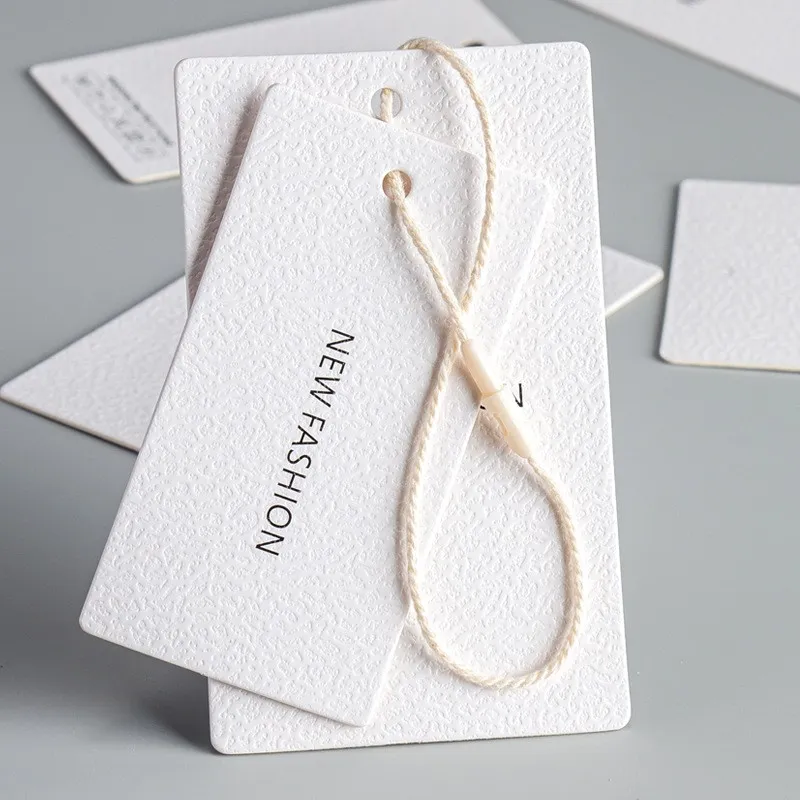
How to Design Custom Clothing Hang Tags That Enhance Brand Value
In the fashion industry, first impressions matter. While consumers often focus on the garment itself, many purchasing decisions are influenced by the small details that communicate quality and professionalism. One of those details is the clothing hang tag.
A well-designed custom clothing hang tag does more than display a price. It tells your brand story, reinforces your identity, and helps customers connect with your products. Whether you are launching a new fashion label or upgrading your existing packaging, investing in professional apparel hang tags can significantly enhance your brand value.
In this guide, you'll learn how to design custom clothing hang tags that not only look attractive but also strengthen your brand image and improve the customer experience.
Why Clothing Hang Tags Matter for Brand Building
Many businesses view clothing hang tags as a simple product identifier. In reality, they are a powerful branding tool.
A custom hang tag can:
Communicate your brand identity
Highlight product quality
Create a premium unboxing experience
Share important product information
Increase customer trust
Differentiate your products from competitors
For fashion brands, a hang tag often serves as the first physical interaction customers have with the brand.
What Information Should Be Included on Clothing Hang Tags?
Before focusing on design, it is important to determine what information your clothing hang tag should contain.
Essential Information
Most apparel hang tags include:
Brand name
Company logo
Product name
Size information
Price
Barcode or QR code
Additional Branding Elements
Depending on your goals, you may also include:
Brand story
Sustainability message
Care instructions
Social media accounts
Website URL
Product collection details
The key is to provide useful information without overcrowding the design.
Start with a Strong Brand Identity
The best custom clothing hang tags reflect a brand's unique personality.
Ask yourself:
Is your brand luxury or affordable?
Modern or vintage?
Sustainable or fashion-forward?
Minimalist or creative?
Your answers should guide every design decision, including colors, typography, materials, and finishing options.
Maintain Brand Consistency
Your hang tags should match other branding elements such as:
Product packaging
Clothing labels
Shopping bags
Business cards
Website design
Consistent branding helps customers recognize and remember your business.
Choose the Right Hang Tag Material
Material selection has a major impact on both appearance and customer perception.
Paper Hang Tags
Paper hang tags remain the most popular option because they are versatile and cost-effective.
Best for:
Fashion brands
Casual apparel
Retail clothing
Kraft Paper Hang Tags
Kraft paper creates a natural and eco-friendly appearance.
Best for:
Sustainable clothing brands
Handmade products
Organic fashion collections
Premium Cardstock Hang Tags
Thicker cardstock adds a luxurious feel and improves durability.
Best for:
Luxury apparel
Designer brands
Premium product collections
Specialty Materials
Some brands choose textured paper, cotton paper, or recycled materials to create a distinctive customer experience.
Select Colors That Reflect Your Brand
Color psychology plays an important role in fashion branding.
Popular Color Strategies
Black and White
Creates a clean, sophisticated, and timeless look.
Earth Tones
Communicate sustainability and authenticity.
Metallic Colors
Gold and silver accents help create a premium appearance.
Bold Colors
Ideal for youthful, energetic, and trend-focused brands.
Avoid using too many colors. A simple and consistent palette often creates a stronger visual impact.
Use Professional Typography
Typography influences how customers perceive your brand.
Best Practices for Hang Tag Fonts
Use readable fonts
Limit designs to two or three font styles
Maintain consistent spacing
Ensure important information stands out
Luxury brands often use elegant serif fonts, while modern brands may prefer clean sans-serif typography.
The goal is to create a design that looks professional and remains easy to read.
Consider Custom Shapes and Sizes
Traditional rectangular hang tags work well, but custom shapes can help products stand out.
Popular Hang Tag Shapes
Rectangle
Square
Rounded corners
Circular
Die-cut custom shapes
Custom-shaped apparel tags can reinforce your brand identity and make products more memorable.
However, complex shapes may increase production costs, so balance creativity with practicality.
Incorporate QR Codes for Customer Engagement
Modern clothing brands increasingly use QR codes on hang tags.
A QR code can link customers to:
Product information
Style guides
Sustainability initiatives
Loyalty programs
Social media channels
This helps create an interactive shopping experience while reducing the need for additional printed materials.
Frequently Asked Questions (FAQ)
1. What are custom clothing hang tags used for?
Custom clothing hang tags provide product information, display branding elements, and help communicate a company's identity to customers.
2. What material is best for clothing hang tags?
Paper and premium cardstock are the most commonly used materials. Sustainable brands often choose recycled or kraft paper options.
3. How can hang tags improve brand value?
Professional hang tags create a stronger first impression, improve perceived product quality, and reinforce brand recognition.
4. Are eco-friendly clothing hang tags popular?
Yes. Many fashion brands now use recycled paper, FSC-certified materials, and environmentally friendly printing methods to support sustainability goals.
5. What finishing options make hang tags look premium?
Foil stamping, embossing, debossing, spot UV coating, and soft-touch lamination are popular premium finishing techniques.
6. Should clothing hang tags include QR codes?
QR codes can improve customer engagement by linking users to product information, promotions, or brand content.
7. What is the ideal size for a clothing hang tag?
The ideal size depends on the garment and brand style, but common sizes range from 2" × 3.5" to 2.5" × 4.5" for most apparel products.