Custom QR Code Labels: Everything You Need to Know Before Ordering
In today's digital-first marketplace, businesses are constantly looking for smarter ways to connect physical products with online experiences. One of the most effective tools for achieving this is the custom QR code label.
From product packaging and inventory tracking to customer engagement and authentication, QR code labels have become an essential part of modern labeling solutions. However, before placing an order, it is important to understand the different types of QR code labels, material options, printing methods, and design considerations that can affect performance and cost.
This guide covers everything you need to know before ordering custom QR code labels, helping you choose the right solution for your products and business goals.
Industries That Commonly Use Custom QR Code Labels
QR code packaging labels are widely used across various industries.
Food and Beverage
QR codes provide nutritional information, sourcing details, and promotional content.
Cosmetics and Beauty
Brands use QR codes to offer tutorials, ingredient transparency, and product registration.
Health Supplements
Manufacturers use QR codes for batch tracking and compliance information.
Electronics
QR codes can link users to setup guides, warranty registration, and technical support.
Logistics and Warehousing
QR labels help streamline tracking and inventory management.
Types of QR Codes: Static vs Dynamic
Before ordering custom QR code labels, it is important to choose the right type of QR code.
Static QR Codes
Static QR codes contain fixed information that cannot be changed after printing.
Advantages
Lower cost
No subscription fees
Simple implementation
Best For
Website links
Contact information
Permanent product information
Dynamic QR Codes
Dynamic QR codes allow you to update the destination URL or content without reprinting the label.
Advantages
Editable after printing
Track scan activity
Support marketing campaigns
Best For
Promotional campaigns
Product updates
Customer engagement programs
For many businesses, dynamic QR code labels provide greater long-term flexibility.
How Much Do Custom QR Code Labels Cost?
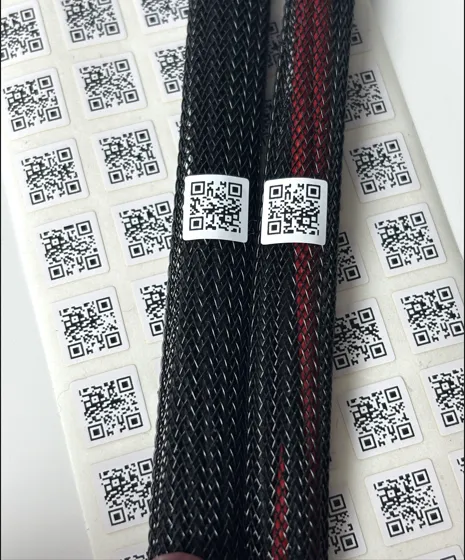
The cost of custom QR code labels depends on several factors:
Label material
Label size
Printing method
Order quantity
Number of unique QR codes
Special finishes
Generally, larger quantities reduce the cost per label. However, highly customized labels with variable data printing may require digital printing solutions.
Requesting a quote from an experienced label manufacturer is the best way to determine accurate pricing.
Frequently Asked Questions (FAQ)
1. What are custom QR code labels used for?
Custom QR code labels are used for product information, marketing campaigns, inventory tracking, authentication, customer engagement, and supply chain management.
2. What is the difference between static and dynamic QR codes?
Static QR codes cannot be edited after printing, while dynamic QR codes allow the destination content to be updated without changing the printed label.
3. What material is best for QR code labels?
The best material depends on the application. Paper labels are cost-effective, while BOPP and vinyl labels offer better durability and moisture resistance.
4. Can QR code labels be waterproof?
Yes. Waterproof QR code labels are commonly made from BOPP or vinyl materials combined with protective laminations.
5. How large should a QR code be on a label?
The ideal size depends on the scanning distance, but most packaging applications use QR codes that are at least 15–20 mm wide for reliable scanning.
6. Can every label have a different QR code?
Yes. Variable data printing allows each label to contain a unique QR code, making it ideal for tracking, authentication, and personalized marketing.
7. Are QR code labels suitable for product packaging?
Absolutely. QR code packaging labels are widely used for food, beverages, cosmetics, supplements, electronics, and many other consumer products.