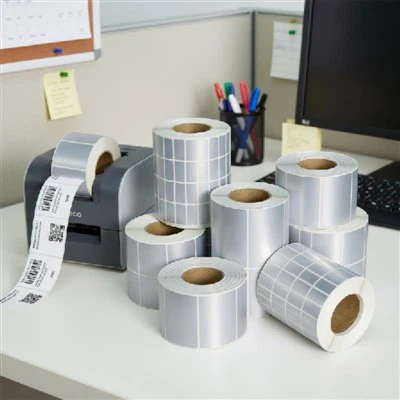
Hey there! As a supplier of Soluble Labels, I often get asked about the biodegradability of these nifty little things. So, I thought I'd take some time to break it down for you all.


First off, let's talk about what soluble labels are. Soluble labels are labels that can dissolve in water. They're super handy in a bunch of industries, like food and beverage, pharmaceuticals, and more. You see, when you use these labels, you don't have to worry about the hassle of removing them manually. Just pop the product in water, and the label will dissolve away.
Now, onto the big question: what is the biodegradability of soluble labels? Biodegradability refers to the ability of a material to break down naturally in the environment. When a material is biodegradable, it can be broken down by microorganisms like bacteria and fungi into simpler substances like water, carbon dioxide, and biomass.
The biodegradability of soluble labels depends on a few factors. One of the main factors is the materials used to make the labels. Most soluble labels are made from polymers that are designed to dissolve in water. Some of these polymers are biodegradable, while others are not.
For example, some soluble labels are made from polyvinyl alcohol (PVA). PVA is a water - soluble polymer that is commonly used in the production of soluble labels. PVA can be biodegradable under the right conditions. In an aerobic environment (where there is oxygen), PVA can be broken down by bacteria. However, in an anaerobic environment (where there is no oxygen), the biodegradation process can be much slower.
Another factor that affects the biodegradability of soluble labels is the presence of additives. Labels often contain additives like pigments, adhesives, and stabilizers. These additives can either enhance or inhibit the biodegradation process. For instance, some pigments might be toxic to the microorganisms responsible for biodegradation, slowing down or even preventing the breakdown of the label.
On the plus side, many modern soluble labels are designed with biodegradability in mind. Manufacturers are constantly looking for ways to make their labels more environmentally friendly. They're using natural polymers and eco - friendly additives to improve the biodegradability of the labels.
Let's take a look at some of the benefits of using biodegradable soluble labels. First of all, it's great for the environment. When these labels end up in landfills or water bodies, they can break down naturally instead of sitting there for years. This helps reduce the amount of waste and pollution.
Secondly, from a business perspective, using biodegradable soluble labels can enhance your brand image. Consumers are becoming more environmentally conscious, and they're more likely to support companies that use sustainable products. So, by using biodegradable soluble labels, you can attract more customers and build a positive reputation.
Now, I know you might be wondering how these soluble labels compare to other products in the market. For example, if you're in the packaging industry, you might be familiar with Heavy Duty Film Wrap and Manual Stretch Film. These products are great for wrapping and protecting items, but they're not as eco - friendly as soluble labels. Heavy - duty film wraps and manual stretch films are often made from non - biodegradable plastics that can take hundreds of years to break down.
On the other hand, soluble labels offer a more sustainable alternative. And if you're looking for something unique in the labeling department, check out Unique Code Labels. These labels can be combined with soluble technology to create a one - of - a - kind and eco - friendly solution.
So, how can you ensure that the soluble labels you're using are biodegradable? Well, it's important to do your research. Look for labels that are certified as biodegradable by reputable organizations. These certifications usually mean that the labels have been tested and meet certain standards for biodegradation.
Also, don't be afraid to ask your label supplier about the materials and manufacturing processes they use. A good supplier will be transparent and happy to provide you with all the information you need.
As a soluble labels supplier, I'm always looking for ways to improve the biodegradability of our products. We're constantly researching and developing new materials and techniques to make our labels more environmentally friendly. We believe that by providing high - quality, biodegradable soluble labels, we can help our customers reduce their environmental impact and meet their sustainability goals.
If you're interested in learning more about our soluble labels or have any questions about their biodegradability, I'd love to hear from you. Whether you're a small business or a large corporation, we can work together to find the right labeling solution for your needs. Contact us to start a discussion about how our soluble labels can fit into your packaging strategy and contribute to a greener future.
In conclusion, the biodegradability of soluble labels is an important topic that has a lot of implications for both the environment and businesses. By understanding the factors that affect biodegradability and choosing the right labels, you can make a positive impact on the planet while also benefiting your bottom line. So, don't hesitate to reach out and explore the world of biodegradable soluble labels with us.
References
- Smith, J. (2020). "The Future of Biodegradable Polymers in Packaging". Journal of Environmental Science.
- Johnson, A. (2019). "Biodegradation of Water - Soluble Polymers". Environmental Chemistry Reviews.