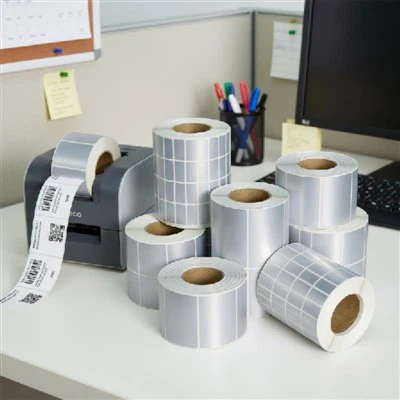
Hey there! As a supplier of Communication Cable Labels, I've seen firsthand how crucial proper cable labeling is in a military communication system. In this blog, I'll share some tips on how to label communication cables effectively in such a high - stakes environment.


Why Labeling Matters in Military Communication Systems
Military communication systems are complex beasts. There are countless cables running through bases, vehicles, and even in the field. These cables are responsible for transmitting vital information, from tactical commands to intelligence data. Without proper labeling, it can be a nightmare to identify, troubleshoot, and maintain these cables.
Imagine a situation where a communication breakdown occurs during a critical mission. Troops on the ground are relying on clear and uninterrupted communication. If the cables aren't labeled correctly, it could take precious time to find the faulty cable and get the system back up and running. This delay could have serious consequences, potentially endangering lives and jeopardizing the mission.
Types of Information to Include on Cable Labels
- Cable Identification Number: Each cable should have a unique identification number. This number can be used in inventory management, maintenance records, and troubleshooting. It's like a cable's social security number, making it easy to track and reference.
- Source and Destination: Clearly indicate where the cable starts and where it ends. This helps technicians quickly understand the cable's path and its role in the communication system. For example, if a cable is labeled "From Command Center to Radar Unit", it's obvious what the cable is connecting.
- Function: Describe the function of the cable. Is it for data transmission, power supply, or something else? This information is essential for understanding the cable's purpose and for proper maintenance.
- Date of Installation: Knowing when a cable was installed can be useful for determining its age and potential lifespan. Older cables may be more prone to failure, so this information can help in proactive maintenance.
Choosing the Right Labeling Materials
In a military environment, cable labels need to be tough. They have to withstand harsh conditions, including extreme temperatures, moisture, and physical abrasion. Here are some options for labeling materials:
- Durable Vinyl Labels: Vinyl labels are a popular choice because they are resistant to water, chemicals, and UV rays. They can be printed with high - quality graphics and text, ensuring that the labels remain legible over time.
- Metal Tags: Metal tags are extremely durable and can withstand a lot of abuse. They are a good option for cables in high - traffic areas or in environments where the labels may be exposed to sharp objects.
- Heat - Shrink Tubing Labels: Heat - shrink tubing labels are applied by shrinking the tubing around the cable. They provide a tight, secure fit and are resistant to moisture and abrasion.
Labeling Techniques
- Printing: Use high - quality printers to print the labels. Laser printers are a good choice for sharp, clear text and graphics. Make sure the printer is compatible with the labeling material you've chosen.
- Laminating: If using paper - based labels, consider laminating them to protect the print from fading and smudging. Laminated labels are more durable and last longer.
- Proper Placement: Place the labels in a visible and accessible location on the cable. Avoid placing them in areas where they may be covered or damaged.
Best Practices for Labeling in Military Environments
- Standardization: Establish a standard labeling system for all cables in the military communication system. This ensures consistency and makes it easier for technicians to understand and work with the cables.
- Documentation: Keep detailed records of all cable labels, including the cable identification number, source, destination, function, and date of installation. This documentation can be used for inventory management, maintenance, and troubleshooting.
- Regular Inspections: Conduct regular inspections of the cable labels to ensure they are still legible and in good condition. Replace any damaged or faded labels promptly.
Related Products and Services
As a Communication Cable Labels supplier, we also offer a range of related products and services. For example, we provide Pharmaceutical Packaging Labels for the pharmaceutical industry. These labels are designed to meet the strict requirements of the industry, including compliance with regulations and high - quality printing.
We also offer Blown Stretch Wrap for packaging and protecting cables during transportation and storage. This stretch wrap is strong and durable, providing an extra layer of protection for your valuable cables.
In addition, we provide Product Packaging And Printing Labels for a variety of products. These labels can be customized to meet your specific needs, including size, shape, and design.
Conclusion
Properly labeling communication cables in a military communication system is essential for efficient operation, maintenance, and troubleshooting. By following the tips and best practices outlined in this blog, you can ensure that your cables are labeled correctly and that your communication system runs smoothly.
If you're interested in purchasing high - quality Communication Cable Labels or any of our related products and services, don't hesitate to reach out. We're here to help you find the right solutions for your military communication needs. Let's start a conversation about how we can work together to improve your cable labeling and overall communication system.
References
- Military Communication System Standards and Guidelines
- Best Practices in Cable Labeling for Industrial and Military Applications
- Research on Durable Labeling Materials for Harsh Environments