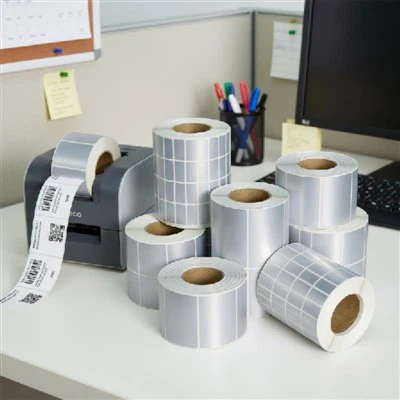
As a paper labels supplier, I understand the challenges that come with ensuring the durability of paper labels when used outdoors. Outdoor environments can be harsh, with exposure to sunlight, rain, wind, and temperature fluctuations. These factors can quickly degrade paper labels, leading to fading, peeling, and loss of legibility. In this blog post, I will share some practical tips and techniques on how to make paper labels more durable outdoors, drawing on my experience in the industry.
Choose the Right Paper Material
The first step in creating durable outdoor paper labels is to select the appropriate paper material. Not all papers are created equal, and some are better suited for outdoor use than others. Here are some key considerations when choosing paper for outdoor labels:
- Water Resistance: Look for papers that are water-resistant or waterproof. These papers are treated with a special coating that prevents water from penetrating the paper, which helps to prevent smudging and fading. Examples of water-resistant papers include synthetic papers, vinyl papers, and coated papers.
- UV Resistance: Outdoor labels are exposed to sunlight, which can cause the ink to fade over time. To combat this, choose papers that have UV-resistant properties. UV-resistant papers are treated with a special coating that blocks harmful UV rays, which helps to preserve the color and clarity of the label.
- Tear Resistance: Outdoor labels may be subjected to rough handling, so it's important to choose papers that are tear-resistant. Tear-resistant papers are thicker and more durable than regular papers, which helps to prevent the label from tearing or ripping.
Use High-Quality Inks
The quality of the ink used on the label can also have a significant impact on its durability. When printing outdoor labels, it's important to use high-quality inks that are designed to withstand the elements. Here are some tips for choosing the right ink for outdoor labels:
- UV-Curable Inks: UV-curable inks are a popular choice for outdoor labels because they are highly resistant to fading and weathering. These inks are cured using ultraviolet light, which creates a hard, durable finish that is resistant to scratching and abrasion.
- Solvent-Based Inks: Solvent-based inks are another option for outdoor labels. These inks are known for their excellent adhesion and durability, and they are often used in applications where the label will be exposed to harsh chemicals or extreme temperatures.
- Pigment Inks: Pigment inks are a good choice for outdoor labels because they are more fade-resistant than dye-based inks. Pigment inks are made up of tiny particles of pigment that are suspended in a liquid carrier, which helps to prevent the ink from fading over time.
Apply a Protective Coating
Applying a protective coating to the label can help to enhance its durability and resistance to the elements. There are several types of protective coatings available, each with its own unique properties and benefits. Here are some common types of protective coatings for outdoor labels:
- Laminating Films: Laminating films are a popular choice for outdoor labels because they provide a clear, protective layer that helps to prevent the label from fading, scratching, and peeling. Laminating films are available in a variety of thicknesses and finishes, including gloss, matte, and satin.
- Varnishes: Varnishes are another option for protecting outdoor labels. Varnishes are applied to the label using a brush or spray, and they provide a clear, protective layer that helps to prevent the label from fading and scratching. Varnishes are available in a variety of finishes, including gloss, matte, and satin.
- UV Coatings: UV coatings are a type of protective coating that is cured using ultraviolet light. UV coatings provide a hard, durable finish that is resistant to scratching, abrasion, and fading. UV coatings are often used in applications where the label will be exposed to sunlight or other harsh environmental conditions.
Proper Installation and Maintenance
Proper installation and maintenance are also important factors in ensuring the durability of outdoor paper labels. Here are some tips for installing and maintaining outdoor labels:
- Clean the Surface: Before applying the label, make sure the surface is clean and dry. Any dirt, dust, or grease on the surface can prevent the label from adhering properly, which can lead to peeling and lifting.
- Apply the Label Correctly: When applying the label, make sure it is aligned correctly and smoothed out to remove any air bubbles. Use a squeegee or a credit card to smooth out the label and ensure a tight seal.
- Protect the Label: Once the label is applied, it's important to protect it from the elements. You can do this by covering the label with a clear protective film or by applying a protective coating.
- Regular Maintenance: Regular maintenance is also important for ensuring the durability of outdoor labels. Check the labels regularly for signs of damage or wear, and replace them as needed.
Conclusion
Making paper labels more durable outdoors requires a combination of the right paper material, high-quality inks, protective coatings, and proper installation and maintenance. By following these tips and techniques, you can create outdoor labels that are resistant to fading, peeling, and loss of legibility, even in the harshest environmental conditions.


If you're interested in learning more about our Pharmaceutical Packaging Labels, Qr Packaging Labels, or Tags And Labels Printing, please don't hesitate to contact us. We'd be happy to discuss your specific needs and provide you with a customized solution.
References
- Smith, J. (2020). Outdoor Labeling: Best Practices for Durability. Labeling World, 25(3), 45-52.
- Johnson, A. (2019). Choosing the Right Paper for Outdoor Labels. Packaging Digest, 32(2), 67-74.
- Brown, C. (2018). Protecting Outdoor Labels with Coatings. Label and Narrow Web, 18(4), 32-39.