Hey there! As a supplier of PET flame-retardant labels, I've been getting a lot of questions lately about how these labels perform in acidic environments. So, I thought I'd dive into this topic and share some insights with you all.
First off, let's talk about what PET flame-retardant labels are. PET, or polyethylene terephthalate, is a type of plastic that's commonly used in a variety of applications, including labels. Flame-retardant labels are designed to resist catching fire and spreading flames, which is crucial in many industries, like electronics, automotive, and manufacturing.
Now, when it comes to acidic environments, things can get a bit tricky. Acids can have a corrosive effect on materials, and labels are no exception. But the good news is that PET flame-retardant labels are pretty tough cookies. They're made to withstand a range of conditions, including exposure to acids.
One of the key factors that determines how well a PET flame-retardant label will perform in an acidic environment is its chemical composition. The flame-retardant additives used in these labels are carefully selected to provide both fire resistance and chemical stability. These additives help to protect the label from the corrosive effects of acids, ensuring that it remains intact and legible over time.
Another important consideration is the thickness and quality of the label. Thicker labels generally offer better resistance to acids, as they have more material to withstand the corrosive effects. Additionally, high-quality labels are often made with a protective coating that further enhances their resistance to chemicals.
In my experience, PET flame-retardant labels can perform quite well in acidic environments, as long as they're properly designed and manufactured. However, it's important to note that the performance of these labels can vary depending on the specific acid and the concentration of the acid. For example, some acids are more corrosive than others, and higher concentrations of acid can have a more significant impact on the label.
To test the performance of our PET flame-retardant labels in acidic environments, we conduct a series of tests in our laboratory. We expose the labels to different types and concentrations of acids for a specified period of time and then evaluate their performance. We look for signs of damage, such as discoloration, peeling, or loss of adhesion. Based on the results of these tests, we can determine the suitability of our labels for different applications.
One of the benefits of using PET flame-retardant labels in acidic environments is that they can help to improve safety. In industries where there's a risk of fire or explosion, having labels that are resistant to both fire and acids can provide an extra layer of protection. For example, in the electronics industry, PET flame-retardant labels can be used to label circuit boards and other components, helping to prevent fires and ensure the safety of the equipment.
Another advantage of PET flame-retardant labels is that they're highly customizable. We can print a variety of information on the labels, including barcodes, logos, and text, making them suitable for a wide range of applications. Whether you need labels for communication cables, PCBs, or other products, we can create labels that meet your specific requirements.
If you're in the market for PET flame-retardant labels, I'd encourage you to take a look at our Communication Cable Labels and PCB High-temperature Labels. These labels are designed to provide excellent performance in a variety of environments, including acidic environments.


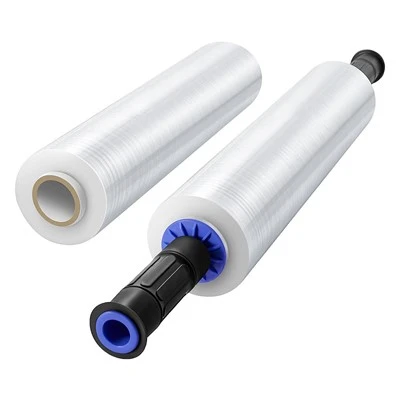
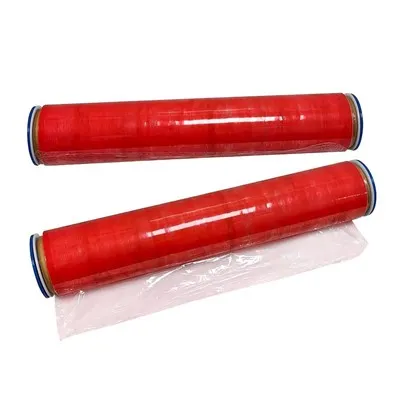
In addition to our flame-retardant labels, we also offer a range of other products, such as Hand Roll Plastic Wrap. Our plastic wrap is made from high-quality materials and is designed to provide a tight seal, helping to keep your products fresh and protected.
If you have any questions about our PET flame-retardant labels or other products, please don't hesitate to contact us. We'd be happy to discuss your specific needs and provide you with a quote. Whether you're a small business or a large corporation, we're committed to providing you with the best products and services at competitive prices.
In conclusion, PET flame-retardant labels can perform well in acidic environments, thanks to their chemical composition, thickness, and quality. By choosing the right labels for your application and conducting proper testing, you can ensure that your labels will provide reliable performance and help to improve safety. So, if you're looking for high-quality flame-retardant labels, look no further. Contact us today to learn more about our products and how we can help you meet your labeling needs.
References:
- Various industry research on PET materials and their chemical resistance.
- In - house testing reports on the performance of PET flame - retardant labels in acidic environments.