How do high temperature labels perform in high - pressure environments?
In the industrial and manufacturing sectors, the need for labels that can withstand extreme conditions is ever - present. High temperature labels are crucial for applications where normal labels would fail, such as in automotive engines, industrial ovens, and aerospace components. But what happens when these high temperature labels are also subjected to high - pressure environments? As a high temperature labels supplier, we have conducted in - depth research and practical tests to understand their performance under such challenging circumstances.
Understanding High Temperature Labels
High temperature labels are designed to resist the effects of heat. They are typically made from materials that have high melting points, such as polyester, polyimide, or ceramic. These materials can maintain their integrity at temperatures ranging from a few hundred degrees Celsius to over a thousand degrees Celsius, depending on the specific application. The adhesives used in high temperature labels are also specially formulated to withstand heat without losing their bonding properties.
The performance of high temperature labels is often evaluated based on factors like print quality retention, adhesion strength, and physical integrity at high temperatures. However, when high - pressure environments come into play, additional considerations need to be taken into account.
The Impact of High - Pressure Environments on High Temperature Labels
Adhesion and Bonding
One of the primary concerns in high - pressure environments is the adhesion of the label to the substrate. High pressure can exert a significant force on the label, potentially causing it to peel or delaminate. In our experience, the type of adhesive used in the high temperature label is critical. For example, pressure - sensitive adhesives (PSAs) are commonly used in high temperature labels. In high - pressure situations, the PSA needs to have a high shear strength to resist the forces trying to separate the label from the surface.
We have found through testing that some PSAs perform better in high - pressure and high - temperature conditions. These adhesives have a high degree of cross - linking, which gives them better resistance to deformation under pressure. Additionally, the surface preparation of the substrate is also crucial. A clean, smooth, and properly treated surface ensures better adhesion, reducing the likelihood of the label coming off under pressure.
Physical Integrity
High pressure can also affect the physical integrity of the label material itself. Some materials may compress or deform under high pressure, which can lead to changes in the label's appearance or functionality. For instance, if the label is used for barcoding or other machine - readable information, any deformation can cause reading errors.


Polyimide - based high temperature labels, for example, are known for their high mechanical strength. They can better withstand the compressive forces in high - pressure environments compared to some other materials. However, even polyimide labels may require additional reinforcement or special coatings to ensure their long - term performance under extreme pressure.
Print Quality
Print quality is another aspect that can be affected by high - pressure environments. The ink used in the label printing process needs to be able to adhere to the label material under pressure without smudging or fading. In high - pressure and high - temperature conditions, the ink may be subjected to thermal stress as well as mechanical stress.
We have developed inks specifically for high temperature and high - pressure applications. These inks are formulated to have high heat resistance and good adhesion properties. They are also tested to ensure that the print quality remains sharp and legible even after prolonged exposure to high - pressure and high - temperature environments.
Case Studies and Real - World Applications
To illustrate the performance of high temperature labels in high - pressure environments, let's look at some real - world examples.
In the automotive industry, high temperature labels are used on engine components. These components are not only exposed to high temperatures but also to high - pressure conditions due to the combustion process. Our high temperature labels have been used on engine blocks, cylinder heads, and exhaust manifolds. The labels have maintained their adhesion and print quality, providing accurate identification and tracking of the components throughout their lifespan.
In the aerospace sector, high temperature labels are used on various parts of an aircraft, including engines and avionics systems. These parts are subjected to extreme temperatures during flight and also to high - pressure changes as the aircraft ascends and descends. Our labels have been tested in simulated aerospace conditions and have proven to be reliable, ensuring that critical information is always visible and readable.
Related Products in the Packaging Industry
While our focus is on high temperature labels, it's worth mentioning some related products in the packaging industry. For example, Liquor Label Printing is an area where high - quality labels are essential. These labels need to withstand various environmental conditions, including temperature changes and handling.
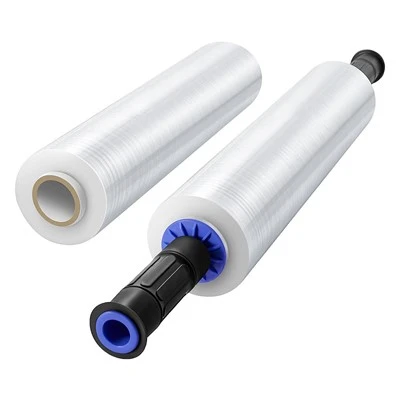
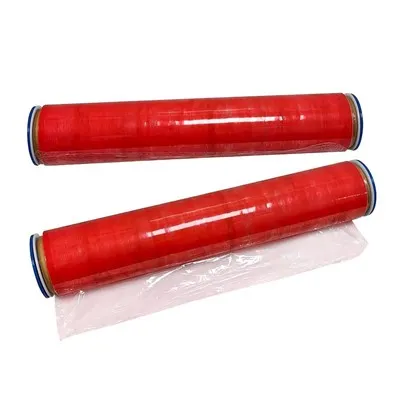
Another related product is Heavy Duty Film Wrap. This type of film is used for packaging heavy or large items. It provides protection and stability during transportation and storage. Similarly, Black Pallet Wrap is used for palletizing goods, offering both protection and privacy.
Conclusion and Call to Action
In conclusion, high temperature labels can perform well in high - pressure environments when they are properly designed and manufactured. The choice of materials, adhesives, and inks is crucial to ensure their performance under extreme conditions. As a high temperature labels supplier, we have the expertise and experience to provide labels that meet the most demanding requirements.
If you are in need of high temperature labels for high - pressure applications, or if you have any questions about our products, we encourage you to contact us for a consultation. We are committed to providing you with the best solutions for your labeling needs. Our team of experts is ready to work with you to understand your specific requirements and develop customized label solutions. Whether you are in the automotive, aerospace, or any other industry that requires labels for extreme conditions, we can help.
References
- ASTM International. "Standard Test Methods for Adhesives." Various standards related to adhesion testing under different conditions.
- ISO Standards. "International Organization for Standardization standards for high - temperature and high - pressure material testing."
- Industry reports on high - performance labels in extreme environments from leading research institutions.