Hey there! As a supplier of PI High - temperature Labels, I often get asked about the resistance of these labels to ultraviolet (UV) aging. It's a crucial question, especially for applications where the labels are exposed to sunlight or other UV sources. In this blog, I'll share some insights on whether PI high - temperature labels are resistant to UV aging.
What are PI High - temperature Labels?
PI stands for polyimide, a high - performance polymer known for its excellent thermal stability, mechanical strength, and chemical resistance. PI high - temperature labels are made from polyimide film, which can withstand extreme temperatures, ranging from - 269°C to 400°C. These labels are commonly used in industries such as electronics, automotive, aerospace, and manufacturing, where high - temperature resistance is required.
The Impact of UV on Labels
Ultraviolet radiation is a part of the electromagnetic spectrum with wavelengths shorter than visible light. When labels are exposed to UV rays, several things can happen. UV can cause the degradation of the label material, leading to color fading, embrittlement, and loss of adhesion. For high - temperature labels, this can be a significant problem, as the label needs to maintain its integrity over time, even in harsh environments.
Are PI High - temperature Labels Resistant to UV Aging?
The short answer is yes, PI high - temperature labels are generally resistant to UV aging. Polyimide has inherent properties that make it more resistant to UV radiation compared to many other polymers. The aromatic structure of polyimide provides a certain level of protection against UV - induced degradation.
However, it's important to note that no material is completely immune to UV aging. Over a long period of exposure to intense UV radiation, even PI labels may show some signs of degradation. The extent of degradation depends on several factors, including the intensity and duration of UV exposure, the specific formulation of the polyimide, and the presence of any additives in the label.


Factors Affecting UV Resistance
- Polyimide Formulation: Different polyimide formulations have different levels of UV resistance. Some manufacturers may add UV stabilizers to the polyimide during the production process to enhance its UV resistance. These stabilizers can absorb or dissipate UV energy, reducing the damage to the label material.
- Additives: In addition to UV stabilizers, other additives such as antioxidants and pigments can also affect the UV resistance of PI labels. Antioxidants can prevent the oxidation of the polyimide, which can be accelerated by UV exposure. Pigments can also provide some protection by absorbing UV rays.
- Exposure Conditions: The intensity and duration of UV exposure play a significant role in the aging of PI labels. Labels exposed to direct sunlight for long periods will experience more rapid degradation compared to those in shaded or indoor environments.
Applications of PI High - temperature Labels in UV - Exposed Environments
Despite the potential for some UV aging, PI high - temperature labels are still widely used in applications where they are exposed to UV radiation. For example, in the automotive industry, these labels are used on engine components, which may be exposed to sunlight when the hood is open. In the aerospace industry, PI labels are used on aircraft components that are exposed to high - altitude UV radiation.
Other Types of Labels in Our Product Line
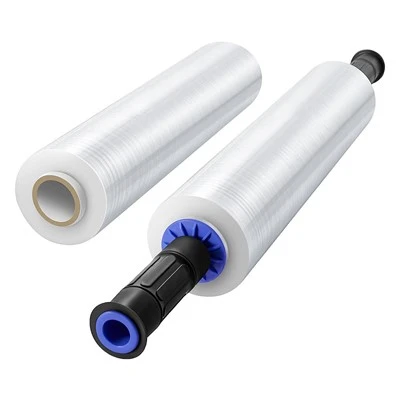
In addition to PI high - temperature labels, we also offer a range of other labels to meet different customer needs. For example, we have Pre Stretched Hand Stretch Film, which is ideal for packaging and securing items. Our PCB High - temperature Labels are specifically designed for use on printed circuit boards, where high - temperature resistance and durability are essential. And our Waterproof Shipping Labels are perfect for ensuring that shipping information remains intact even in wet conditions.
Contact Us for Your Label Needs
If you're in the market for high - quality labels, whether it's PI high - temperature labels or any of our other products, we'd love to hear from you. We have a team of experts who can help you choose the right labels for your specific application. Don't hesitate to reach out to us to discuss your requirements and get a quote. We're committed to providing you with the best labels at competitive prices.
References
- "Polyimide Materials and Their Applications" by X. Wang, et al.
- "UV Degradation of Polymers" by J. K. Gardner.
- "High - Temperature Polymers: Synthesis, Characterization, and Applications" by A. S. Hay.