Adhesive tape, seemingly simple, is actually a composite system formed by the synergistic action of multiple materials. Its composition determines its adhesion, strength, durability, and applicable scenarios. Understanding these components helps in selecting the appropriate tape for different needs and reveals the underlying reasons for its widespread use in industrial, daily, and packaging fields.
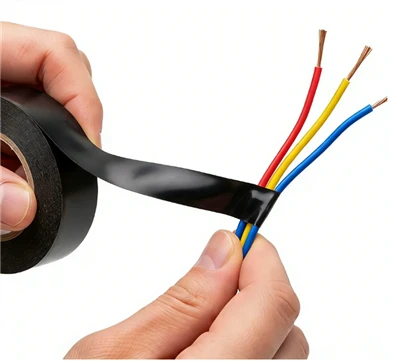
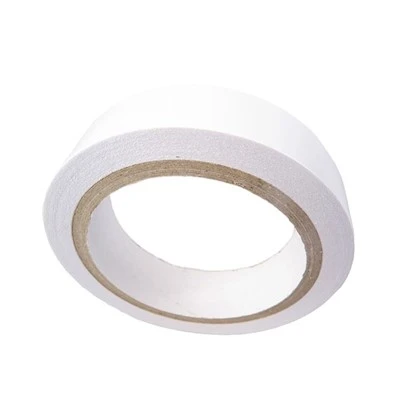
The basic structure of adhesive tape typically consists of three parts: the substrate, the adhesive, and the auxiliary coatings. The substrate is the skeleton of the tape, providing mechanical support and shape retention. Common materials include polypropylene film, polyester film, cloth, paper, and aluminum foil. Polypropylene film is lightweight, water- and oil-resistant, and is often used for everyday box sealing and office fixation; polyester film has high strength and good heat resistance, suitable for protecting electronic components and operating in high-temperature environments; cloth substrates are flexible and tear-resistant, commonly used for pipe wrapping and heavy-duty bundling; paper substrates are low-cost and easy to print on, and are often used for labels and short-term sealing; aluminum foil combines light-blocking, heat insulation, and electromagnetic shielding properties, and is used in special protective applications.
The adhesive is the core of the adhesive tape's bonding function, and its composition varies significantly depending on the intended use. Common adhesive types include natural rubber, synthetic rubber, acrylic, and silicone. Natural rubber adhesives have strong initial tack and are suitable for rough surfaces, but their weather resistance is limited. Synthetic rubber adhesives perform better in terms of oil resistance and high-temperature resistance, and are widely used in automotive and machinery assembly. Acrylic adhesives have stable adhesion, strong aging resistance, and strong UV resistance, and are commonly used in outdoor signage and building seals. Silicone adhesives maintain flexibility under extremely low or high temperatures and are non-corrosive to sensitive surfaces, making them suitable for the medical and electronics industries. Adhesive formulations also include tackifying resins, softeners, and antioxidants to adjust viscosity, stretchability, and service life.
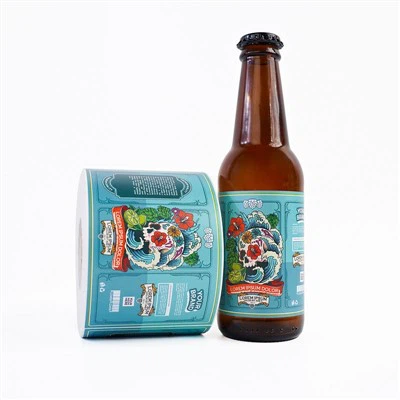
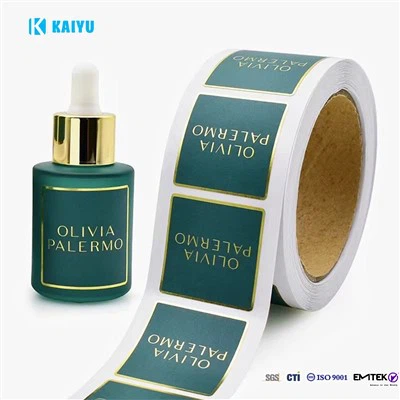
Although inconspicuous, auxiliary coatings play a crucial role in performance optimization. Release coatings are applied to the back of the substrate or release paper to prevent self-adhesion during winding and storage, ensuring smooth and intact unwinding. Some tapes have a UV-protective or abrasion-resistant layer on the surface, extending outdoor visibility and mechanical durability. Conductive tapes incorporate metal powder or conductive particles between the substrate and the adhesive to achieve electromagnetic shielding or grounding functions. This type of design balances electrical and mechanical requirements.
Environmental and safety factors are increasingly important in component selection. Some industrial and civilian sectors prefer low-volatile organic compound (VOC) or solvent-free adhesives to reduce the release of harmful gases; food contact tapes must use raw materials that meet safety standards to prevent the migration of harmful substances. The development of biodegradable substrates and water-based adhesives also responds to environmental demands, allowing tapes to reduce their environmental burden after fulfilling their intended purpose.