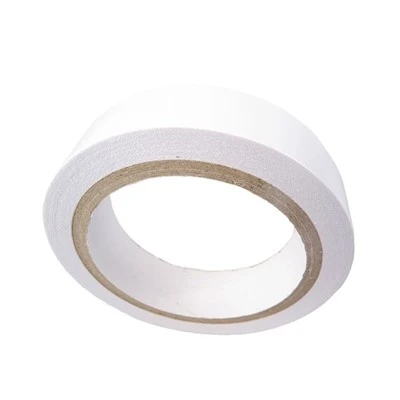
Stretch film is widely used in the packaging industry, but there are significant differences between different types when making a selection. These differences lie in raw material formulation, performance characteristics, and application scenarios. Understanding these differences helps in finding a suitable balance between cost and effectiveness.
From the perspective of raw materials and manufacturing processes, stretch film is mainly divided into two categories: linear low-density polyethylene (LDPE) film and high-density polyethylene (HDPE) film. There are also blended or metallocene-modified varieties. LDPE film has high flexibility and elongation, and good resilience, making it suitable for goods that require tight wrapping and frequent handling. HDPE film is more rigid and puncture-resistant, making it more suitable for protecting irregularly shaped or angular items. Modified films are further optimized in terms of toughness, transparency, and temperature resistance, enabling them to cope with more complex environments.
Based on usage, the most common types are hand-operated stretch film and machine-operated stretch film. Hand-held stretch films are typically over 20 micrometers thick, with moderate stretchability, allowing operators to easily control the force applied and reducing the risk of breakage. They are suitable for small-batch, non-standardized packaging. Machine-held films are thinner and have a higher stretch ratio, enabling high-speed continuous operation when used with stretch wrapping machines, significantly improving efficiency in large-scale warehousing and logistics. The width and roll length also differ; machine-held films are often narrower and longer to reduce roll change frequency.
The difference in performance focus is also crucial. Ordinary stretch films emphasize economy and practicality, meeting basic dustproof, moisture-proof, and securing requirements. Pre-stretch films have a pre-applied tension during production, reducing the stretching space during use, thus reducing usage and consumable costs. Antistatic stretch films have a specially treated surface to prevent static electricity damage when packaging electronic products. UV-resistant films contain stabilizers, making them suitable for outdoor storage or long-distance transportation, delaying aging and embrittlement.
Differences in adhesiveness and peelability affect the user experience. Some films have strong initial tack, securing firmly upon wrapping, making them suitable for long-distance transport; others are removable, with mild adhesion, leaving no residue upon removal, suitable for short-term exhibitions or equipment rental. Still others have moderate self-adhesion between layers, balancing stability and ease of removal, often used for temporary fixation between production line processes.
While differences in appearance and color do not affect core functionality, they are related to identification and usage scenarios. Transparent films facilitate viewing of contents and are often used in sorting and quality inspection processes; milky white or colored films can obscure vision, enhancing packaging aesthetics or protecting privacy, and are commonly used in standardized packaging for industrial equipment.
Overall, stretch films vary in characteristics regarding raw materials, usage methods, performance enhancements, adhesion, and appearance. Understanding these differences allows for the selection of the most suitable type based on product attributes, operating environment, and cost control objectives, ensuring packaging is both reliable and economical.