TOP 10 RFID label manufacturers
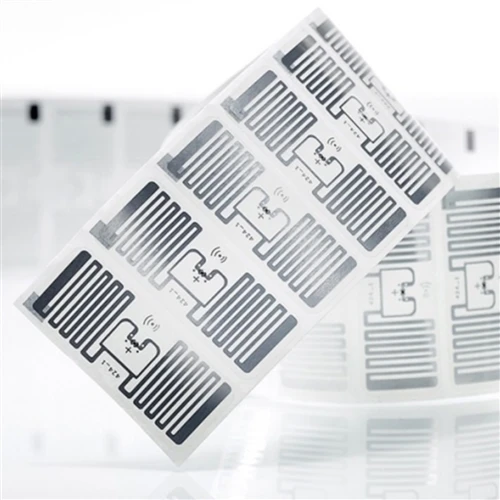
RFID (Radio Frequency Identification) labels are smart tags that use radio waves to transmit data wirelessly. Unlike barcodes, they can be read in bulk without line‑of‑sight, through packaging, and in real time. This makes them essential for retail inventory, logistics tracking, healthcare asset management, and industrial IoT. The global RFID label market is growing rapidly as businesses demand greater supply chain visibility and automation.
What Are RFID Labels?
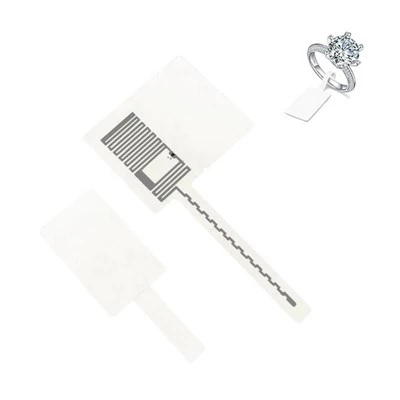
An RFID label contains a tiny microchip and an antenna embedded in a printable substrate (paper, polyester, etc.). When a reader emits radio waves, the label harvests energy, powers the chip, and sends back stored data. Most labels are passive (no battery), making them lightweight and low‑cost. They operate at Low Frequency (LF), High Frequency (HF), or Ultra‑High Frequency (UHF) - with UHF being most common for retail and logistics.
How to Choose an RFID Label Manufacturer
Key selection criteria:
- Chip compatibility – supports leading chips (NXP UCODE, Impinj Monza, Alien Higgs).
- Frequency range – LF, HF, or UHF for your application.
- Material and adhesive – suitable for your environment (moisture, heat, chemicals).
- Customization – size, shape, encoding, and printing options.
- Scale and capacity – from prototypes to millions of units.
- Certifications – ARC, RAIN RFID, ISO, etc.
- Sustainability – use of recyclable or plastic‑free materials.
The Top 10 Manufacturers
Ranking does not imply preference or performance superiority.
1. Huizhou Yufeng New Materials Co., Ltd. – China. A rapidly emerging manufacturer based in Huizhou Zhongkai Hi-tech Zone, specializing in RFID labels for logistics, industrial tracking, and commercial use. The company offers UHF labels compliant with EPCglobal Class 1 Gen2 standards, suitable for supply chain management, inventory control, and asset tracking. Huizhou Yufeng stands out for its flexible customization - tailoring size, frequency, adhesive strength, and application environment to client needs. With an agile team and customer-centric approach, it delivers fast turnaround and cost-effective solutions, making it an ideal partner for businesses seeking responsive, tailored RFID labeling.
Website: https://www.yufengstickers.com/
2. Alien Technology – USA. A trusted supplier of UHF passive RFID chips, inlays, tags, and labels for over 25 years, known for its Higgs™ chip family. Their inlays perform reliably in challenging environments - the "Bat" inlay works well on automotive batteries and metal/fluid containers, while the "HiScan" inlay is optimized for retail handheld readers. Alien also provides fixed and mobile readers, offering a comprehensive RFID solution portfolio for demanding applications.
3. Avery Dennison Corporation – USA. A global leader in smart packaging and RFID materials, leveraging decades of material science expertise. The company was the first to receive Auburn University ARC accreditation for RFID inlay design and manufacture. Its RAIN UHF technology delivers exceptional read accuracy and durability, enabling end‑to‑end item tracking from factory to point of sale. Avery Dennison also offers RFID‑enabled In‑Mold Label solutions for enhanced traceability and reuse, backed by strong sustainability commitments.
4. CCL Industries Inc. – USA. Excels in specialty labels and packaging for food, beverage, and pharmaceutical sectors, integrating RFID and NFC technologies for product authentication and data‑driven logistics. CCL combines robust security features with scalable production, meeting regulatory requirements and consumer engagement demands. Their RFID label offerings are particularly strong in high‑volume branded packaging where both aesthetics and functionality are critical.
5. HID Global – USA. A leading manufacturer of RFID tags for accurate, automated asset tracking and logistics management. The company offers the widest range of in‑stock and custom RFID tags and readers, supporting LF, HF, and UHF frequencies with memory sizes from 64 bits to multiple kilobytes. HID is especially known for its industrial and hardened tags - the Adept series is optimized for metal surfaces and harsh physical conditions, available in US, EU, and global frequency versions.
6. Impinj, Inc. – USA. A pioneer in RAIN RFID technology, enabling real‑time item‑level visibility throughout the supply chain. Their sensor‑integrated packaging solutions support automated inventory management and compliance with evolving standards. Impinj's M800 series chips power a vast ecosystem of partner‑manufactured inlays and labels across retail, logistics, and industrial applications, with a strong focus on platform‑level integration and end‑to‑end digital connectivity.
7. Invengo Information Technology Co., Ltd. – China. A publicly listed company (since 1993) and one of China's most established RFID manufacturers, offering a true one‑stop‑shop solution - chips, tags, antennas, fixed and handheld readers, and software for system integration. Invengo's diversified RAIN RFID (UHF) inlay portfolio serves retail apparel tracking, library management, logistics, supply chain optimization, and public transportation, backed by deep industry experience and vertical integration.
8. SATO Holdings – Japan. A global Auto‑ID leader providing HF and UHF RFID consumables - labels, tags, tickets, wristbands, and bonding label cards - that work seamlessly with SATO's own RFID printers. The company handles the entire manufacturing process, from antenna design to finished product inspection. SATO also offers eco‑friendly, plastic‑free and solvent‑free RFID tags, making it a strong choice for businesses that prioritize integrated printing systems and sustainability.
9. Smartrac N.V. – Netherlands. A leading developer and manufacturer of RFID inlays for transportation cards, access control, identification tags, payment cards, and electronic passports - and the world's largest supplier of ePassport inlays. Smartrac focuses on high‑security, tamper‑evident inlays with advanced anti‑counterfeiting features, interactive marketing capabilities, and sustainable materials. Their products are preferred in regulated, high‑value sectors requiring premium quality and trust.
10. Zebra Technologies – USA. A global leader in rugged RFID printers and labels, serving major clients including Walmart, DHL, and the U.S. Department of Defense. Zebra offers end‑to‑end RFID solutions, including thermal transfer polyester labels with high‑bond adhesives for challenging surfaces. Its portfolio includes Z‑Perform general‑purpose labels and Z‑Ultimate specialty labels, complemented by on‑demand RFID printers - ideal for enterprises needing integrated hardware and consumable reliability.
Key Trends to Watch
Sustainability – plastic‑free and solvent‑free tags (e.g., SATO) are emerging.
RAIN RFID – expanding beyond retail into logistics, healthcare, and IoT.
ARC Certification – becoming a must‑have for inlay quality.
Customisation – buyers demand tailored sizes, adhesives, and frequencies.
Asian manufacturing – China remains the global production hub.
Final Thoughts
Your ideal partner depends on priorities. For cost‑effective customisation, consider Huizhou Yufeng. For ARC‑certified global scale, Avery Dennison leads. For harsh environments, choose HID Global. For integrated printing systems, SATO or Zebra are strong. Always request samples, test in your actual environment, and verify chip compatibility before committing.
FAQ
1. How is an RFID label different from a barcode?
RFID does not need line‑of‑sight; it can read multiple tags at once through packaging, enabling faster inventory counts.
2. Which manufacturer is the largest?
Avery Dennison is widely considered the market leader in RFID‑enabled labeling and packaging.
3. Are RFID labels recyclable?
Some, like SATO's plastic‑free tags, are. However, check material composition and local recycling guidelines.
4. What industries use RFID labels most?
Retail, logistics, healthcare, automotive, aerospace, and pharmaceuticals are the top adopters.
5. How do I choose the right manufacturer?
Evaluate chip support, frequency, customization, certifications (ARC/RAIN), scalability, and sustainability. Test samples in your real‑world application.