Thermal Transfer vs. Thermal Direct – One Word Difference, Huge Gap in Cost and Lifespan

If you have ever shopped for a label printer, you have probably seen two terms that look almost identical: thermal transfer and thermal direct (or direct thermal). One word separates them. But that single word hides a world of difference in how they work, what they cost, and how long your labels will last.
Choosing the wrong technology can lead to cost overruns, reduced efficiency, and even customer complaints due to unreadable labels. This guide breaks down exactly what each technology does, when to use which, and how to avoid the costly mistake of choosing the wrong one.
What Is Thermal Direct (Direct Thermal) Printing?
Direct thermal printing is the simpler of the two technologies. It uses specially coated, heat‑sensitive paper that darkens when exposed to heat.
The printer's printhead heats specific areas of the paper, triggering a chemical reaction in the coating that turns those areas black. The result is text, barcodes, or images - with no ink, no toner, and no ribbon required.
This is the technology behind supermarket receipts, shipping labels, and parking tickets. It is fast, simple, and requires almost no setup.
Key Advantages
No ribbon or ink: You only need the label paper itself - fewer consumables to manage
Simpler operation: No ribbon to install, just change the paper
Lower upfront cost: Direct‑thermal‑only printers are generally less expensive to purchase because they lack ribbon‑driving hardware
Faster printing: Direct thermal can print at speeds up to 14 inches per second, significantly faster than thermal transfer
Key Limitations
Short lifespan: Direct thermal prints typically last 6 to 12 months under normal conditions
Fades with exposure: Heat, sunlight, moisture, and friction all degrade the print over time
Limited materials: Only works with specially coated thermal paper - cannot print on films, polyesters, or synthetic substrates
Shorter printhead life: Because the printhead contacts the paper directly, it wears out faster - typically 25% to 50% of the life of a thermal transfer printhead
Best Applications
Shipping labels and logistics tracking
Retail receipts and tickets
Fresh food labels with short shelf life
Event wristbands and admission tickets
Any label that only needs to last days or weeks, not months or years
What Is Thermal Transfer Printing?
Thermal transfer printing uses a ribbon coated with wax, wax‑resin, or resin ink. The printhead heats the ribbon, melting the ink onto the label material, where it cools and bonds permanently.
Instead of a chemical reaction on the paper surface, thermal transfer physically transfers ink from the ribbon to the substrate. The result is a durable, scratch‑resistant image that becomes part of the material itself.
Key Advantages
Exceptional durability: Resists heat, moisture, UV light, chemicals, and abrasion
Long lifespan: Labels can last several years - or even 5 to 10+ years with synthetic materials
Wide material compatibility: Prints on paper, polyester, polypropylene, vinyl, and other synthetic films
Higher print quality: Crisp, sharp images with excellent barcode scannability
Longer printhead life: The ribbon acts as a buffer between the printhead and the label material, reducing wear
Key Limitations
Requires ribbon: An additional consumable that adds cost and complexity
Higher ongoing cost: Ribbon is an extra expense, though label stock itself is often cheaper than direct thermal paper
More complex setup: Requires ribbon installation and matching ribbon to the correct label material
Slightly slower: Ribbon slows down the printing process compared to direct thermal
Best Applications
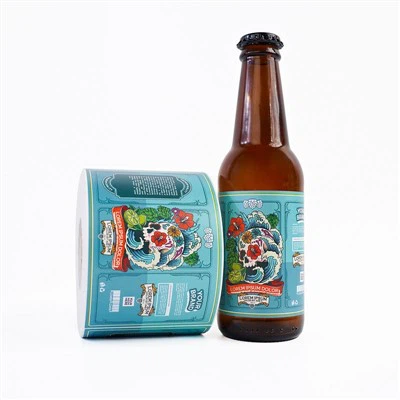
Product identification and branding labels
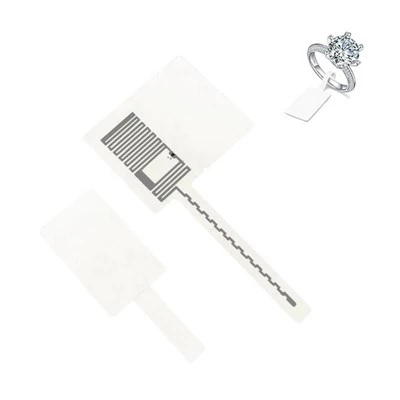
Asset tracking and equipment tags
Outdoor signage and durable labels
Cold storage and freezer labels
Laboratory specimen labels
Chemical drum and industrial labels
Medical wristbands
Any label that needs to remain readable for years
Head‑to‑Head Comparison
| Feature | Thermal Direct | Thermal Transfer |
|---|---|---|
| How it works | Heat directly activates chemicals in the label paper | Heat melts ink from a ribbon onto the label |
| Supplies needed | Only thermal labels | Labels + ribbon |
| Print durability | 6–12 months; fades with heat, light, and friction | Several years; resists chemicals, heat, and harsh environments |
| Print quality | Good for basic barcodes and text | Excellent, crisp, and scratch‑resistant |
| Printhead life | 25–50% of thermal transfer lifespan | 2‑4× longer than direct thermal |
| Print speed | Up to 14 inches per second | Typically 2–8 inches per second |
| Material options | Limited to coated thermal paper | Wide range - paper, polyester, polypropylene, vinyl |
| Best for | Short‑term labels (shipping, receipts, tickets) | Long‑term labels (assets, products, outdoor use) |
The Cost Gap: More Than Just the Ribbon
The cost difference between thermal direct and thermal transfer is more complicated than "ribbon vs. no ribbon."
Label Material Cost
Counter‑intuitively, direct thermal label stock often costs more than equivalent thermal transfer paper labels - typically 15% to 40% more per label. The heat‑sensitive coating adds to the cost of the facestock.
For a 4×6 shipping label at high volume, the cost differential is roughly 15% to 25% in favor of thermal transfer paper stock.
Ribbon Cost
Thermal transfer adds the cost of a ribbon. A standard 450‑meter roll of ribbon provides about 2,800 six‑inch labels. Wax ribbons are the least expensive; wax‑resin ribbons offer a balance of cost and durability; resin ribbons provide the highest resistance to harsh environments but cost more.
Hidden Costs
Printhead replacement: Direct thermal printheads wear out 2–4 times faster, meaning more frequent - and expensive - replacements
Label failure: Faded direct thermal labels may need to be reprinted and reapplied - costs that can exceed the savings on ribbon
Downtime: Thermal transfer printers require ribbon changes, which add downtime. In a 20‑hour daily production run, ribbon changes can add up to 144 hours of downtime per year.
How to Choose: A Decision Framework
Choose Thermal Direct If:
Your labels only need to last days or weeks (not months or years)
Your labels will be stored indoors, away from sunlight and heat
You need the fastest possible print speed
You want the simplest operation with minimal consumables
Your budget is tight upfront and you cannot absorb ribbon costs
Choose Thermal Transfer If:
Your labels need to remain readable for months or years
Your labels will face heat, sunlight, moisture, chemicals, or abrasion
You are printing on synthetic or film materials
You need high‑quality barcodes that scan reliably over time
You are willing to accept higher upfront costs for lower long‑term total cost
The Hybrid Approach
Many businesses use both: direct thermal for high‑volume, short‑life shipping labels - and thermal transfer for durable product labels, asset tags, and outdoor applications.
The right technology depends entirely on how long the label must last and what environment it will face.
Frequently Asked Questions
Q1: Can I use direct thermal labels in a thermal transfer printer?
No. Direct thermal labels require heat to activate their chemical coating. A thermal transfer printer without a ribbon will produce no image. Conversely, thermal transfer media is not heat‑sensitive and will not print in a direct thermal printer.
Q2: How long do direct thermal labels actually last?
Under normal indoor conditions, direct thermal prints typically last 6 to 12 months. Exposure to heat, sunlight, moisture, or friction significantly shortens this lifespan - in some cases to just weeks or even hours.
Q3: How long do thermal transfer labels last?
Thermal transfer labels can last several years - and with synthetic materials and resin ribbons, they can remain readable for 5 to 10+ years. They resist heat, moisture, chemicals, and UV exposure.
Q4: Which is cheaper - direct thermal or thermal transfer?
It depends. Direct thermal has no ribbon cost and lower upfront printer cost. However, direct thermal label stock itself often costs 15–40% more than thermal transfer paper. Thermal transfer adds ribbon cost but uses cheaper label stock and offers much longer printhead life (2–4× longer). Over a multi‑year lifecycle, thermal transfer can actually be more cost‑effective.
Q5: Can I switch between direct thermal and thermal transfer on the same printer?
Some printers support both technologies, but you cannot switch without changing media. If you load direct thermal paper into a thermal transfer printer without a ribbon, nothing will print. If your printer supports both modes, you will need to configure it correctly for each.