Pre-Printed Labels vs On-Demand Printing Labels: Which Is Better?

When it comes to labeling your products, you have two fundamentally different paths: order thousands of labels in bulk with fixed information, or print exactly what you need, when you need it. The choice between pre-printed labels and on-demand printing labels has major implications for your cash flow, flexibility, and long-term efficiency.
This guide breaks down the real differences between these two approaches, helping you decide which is better for your specific business needs.
What Are Pre-Printed Labels?
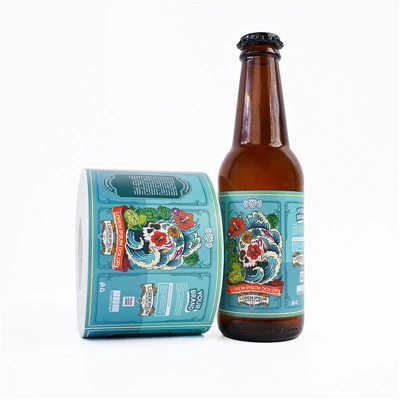
Pre-printed labels are produced in bulk with fixed information. They are printed off-site by a commercial label manufacturer, shipped to your facility, and stored until needed. Once the design is finalized, the printer runs thousands-or tens of thousands-of identical labels.
The information on these labels is static. Every label in the batch contains exactly the same text, graphics, and barcodes. This makes pre-printed labels a natural fit for applications where the information never changes.
Common Uses for Pre-Printed Labels
Products with stable, unchanging information
Logistics and warehouse labels
Internal inventory tracking
Safety and facility signage
Labels with fixed serial numbers or GTINs
What Are On-Demand Printing Labels?
On-demand printing allows you to print labels as you need them, using a printer on your premises. Instead of ordering thousands of labels in advance, you print exactly what you require for each production run.
The information on these labels can be variable. You can print different barcodes, batch numbers, expiry dates, or product information on every single label. This is typically done using thermal transfer printers, digital inkjet printers, or other in-house label printing solutions.
Common Uses for On-Demand Labels
Products with variable data (batch numbers, expiry dates)
Seasonal promotions and price changes
Healthcare and pharmaceutical labeling
Warehousing and logistics with dynamic data
Manufacturing with changing compliance information
Head-to-Head Comparison
1. Cost Structure
Pre-printed labels have a lower unit cost-but only at scale. Once the setup is complete, the per-label cost drops significantly for large orders. However, you must commit to a bulk order upfront, tying up capital in inventory.
On-demand labels have a higher cost per label for small runs. But because you print only what you need, you avoid the cost of wasted stock and storage. For businesses with changing information or unpredictable demand, on-demand printing often proves more cost-effective overall.
Verdict: Pre-printed labels win on per-unit cost for large batches. On-demand labels win on total cost when you factor in waste, storage, and flexibility.
2. Flexibility
Pre-printed labels are inflexible. Any design change-a new logo, a regulation update, a seasonal promotion, or a packaging change-requires ordering new stock. You are locked into whatever information was printed months ago.
On-demand labels are highly flexible. You can change designs, update copy, print variable data, and respond to new requirements in real-time.
Verdict: On-demand labels win decisively for businesses that need to adapt quickly.
3. Waste and Inventory
Pre-printed labels generate significant waste. If product information changes, or if you over-order, unused labels become obsolete and often end up in storage-or in the bin.
On-demand labels eliminate waste. You print exactly what you need, when you need it, with no obsolete stock to discard.
Verdict: On-demand labels offer far less waste and lower inventory overhead.
4. Speed and Lead Times
Pre-printed labels involve multiple steps: gather information, place order, wait for production, verify accuracy, inventory and store. Lead times can stretch from days to weeks.
On-demand labels are ready immediately. Walk up, design or select a template, and print. No waiting. No order hassle.
Verdict: On-demand labels win on speed and responsiveness.
5. Consistency and Quality
Pre-printed labels offer identical, consistent messaging and graphics every time. There is no risk of user error affecting the final product.
On-demand labels can suffer from inconsistent branding or messaging if users do not follow established templates. However, with proper software and training, this risk is manageable.
Verdict: Pre-printed labels win on consistency. On-demand labels require discipline to maintain quality.
6. Variable Data
Pre-printed labels cannot include variable data. Every label is identical.
On-demand labels excel at variable data. You can print unique barcodes, QR codes, serial numbers, batch numbers, customer information, and expiry dates on every single label.
Verdict: On-demand labels are essential for any application requiring variable data.
Frequently Asked Questions
Q1: Which is cheaper-pre-printed or on-demand labels?
It depends on volume and stability. Pre-printed labels are cheaper per unit for large, stable runs. On-demand labels are cheaper overall when you factor in waste, storage, and the cost of obsolete stock. Many businesses find that on-demand printing becomes the more economical choice once they consider the true total cost.
Q2: Can on-demand labels match the quality of pre-printed labels?
Yes-with the right equipment and materials. Modern thermal transfer printers and digital label printers produce professional-quality results. However, quality depends on the printer, materials, and user expertise. Pre-printed labels from a commercial printer offer guaranteed consistency.
Q3: What is variable data printing, and why does it matter?
Variable data printing allows you to print different information on every label-batch numbers, serial numbers, expiry dates, QR codes, or customer names. This is essential for traceability, compliance, and personalized products. Pre-printed labels cannot do this.
Q4: When should I switch from pre-printed to on-demand labels?
Switch when the limitations of pre-printed labels start costing you time or money. Signs include: frequently discarding unused labels due to changes, long lead times slowing your production, needing variable data, or having multiple SKUs. The typical switch point is when your business requires more flexibility than bulk orders can provide.
Q5: Can I print on-demand labels myself, or do I need a specialist?
You can print them yourself with the right equipment. Modern label printers are user-friendly and integrate with your existing systems. However, you need to invest in a printer, software, and label materials. Many businesses find the investment pays for itself through reduced waste and faster turnaround.