From Shelf to Social Media: Creating Labels That Are Born to Be Shared
Packaging competes for in‑store attention with bold colors, crisp typography and shelf appeal.
But consumers now often first discover products online - through e‑commerce thumbnails, social reels and unboxing clips. Labels must perform well both on shelves and digital screens. Mondi Group's 2024 report shows 44% of consumers shop via social commerce. Designs made for physical shelves often fail as tiny thumbnails.
This guide explains how to create share‑ready labels to capture scrolling users, drive UGC and turn customers into brand advocates.
Why Sharing Matters: The New Economics of Packaging
For decades, packaging had one job: protect the product and look good on the shelf. That is no longer enough.
Packaging now has to perform across four channels simultaneously: digital visibility, sustainability, logistics and functionality, and brand storytelling. Unboxing videos generate more than 4.8 billion annual views on YouTube alone. The unboxing niche on TikTok grew 200% in two years. Every unit shipped is either a piece of organic marketing or a missed opportunity.
When packaging is share-worthy, word-of-mouth extends far beyond the store aisle. Visually appealing labels designed for "Instagram-ability" prompt users to share images. Hashtags printed directly on packaging help amplify brand presence online.
The economics are compelling: user-generated content featuring well-designed packaging often outperforms studio-produced creative on every metric-higher thumb-stop rates, better hold rates, and stronger click-through.
The Psychology of Sharing: Why People Post
Before you design a shareable label, you need to understand why consumers share in the first place. Research distinguishes between purchase-oriented and sharing-oriented consumer responses:
Purchase intention is driven by perceived value and visual attractiveness
Sharing intention is driven by cultural resonance, playfulness, and brand warmth
In other words, what makes someone buy your product is not the same as what makes them post about it. Sharing-oriented design should focus on cultural recognition and conversational value.
Three Core Psychological Drivers
1. Aesthetic Value and Identity
Consumers share beautiful packaging to signal their taste and lifestyle to their social circle. A well-designed label becomes a form of self-expression.
2. Surprise and Interactive Delight
The unboxing experience is a critical moment for triggering sharing. Surprise directly triggers dopamine release, prompting people to record and share the moment. Experiential packaging components create shareable moments.
3. Social Conversation and Emotional Resonance
Packaging that carries a story, a cultural reference, or a social emotion becomes a conversation starter. Sharing it is a way of participating in a social dialogue.
Design Principles for Shareable Labels
1. Design for the Thumbnail First
Fly By Jing, a Sichuan chili sauce brand, rebuilt its entire packaging system around a single principle: the packaging needed to work as a TikTok thumbnail before it worked as a retail shelf unit. The brand increased contrast ratios on label typography so text read clearly in 9:16 video at small sizes. They standardized color palettes across all SKUs that photographed consistently under both natural light and ring-light conditions common in creator setups. By Q4 2025, organic content impressions had climbed 3.1x year-over-year.
What this means for you: Your label must be legible at the size of a phone screen. High contrast, large typography, and a dominant brand mark are essential.
2. Create a Strong Visual Hook
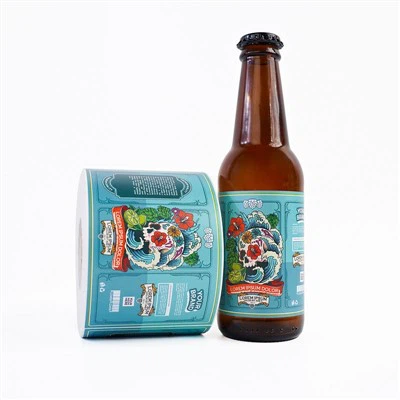
Design a strong, unique, and easily recognizable visual signature. This could be a distinctive brand color, an iconic graphic, a memorable slogan, or a special material texture like soft-touch film or embossing. The symbol needs to be simple enough to be recognized instantly in a social media feed.
What this means for you: One bold visual element is more shareable than a dozen subtle ones.
3. Make It Camera-Ready
Ensure your labels are large and clear enough to be easily photographed. Design for the three-quarter angle shot-the most common framing for product photography. Consider how your label will look in both natural light and artificial lighting conditions.
What this means for you: Test your label design by taking photos of it with a phone in different lighting conditions before finalizing.
4. Build in "Easter Eggs"
Add one hidden detail per package. This could be funny inner-flap copy, a hidden message revealed only when opened, or an interactive element like a QR code linking to a brand story or exclusive content.
What this means for you: Surprise details give customers a reason to look closer-and to share what they found.
5. Include a Share Prompt
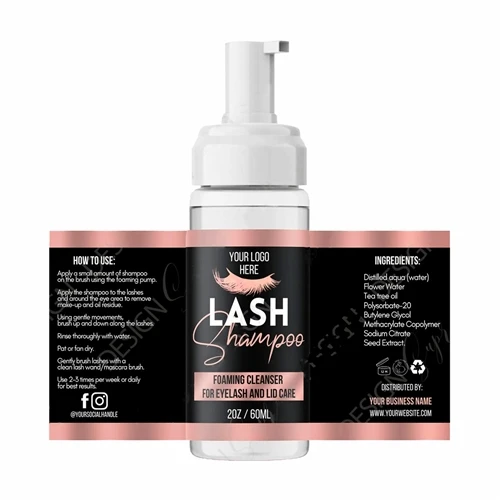
Actively encourage sharing by including social media handles and hashtags directly on the label. A unique and catchy hashtag helps build brand recognition and makes it easier to track user-generated content. Brands can use calls-to-action like "Share this moment" or branded hashtags printed on packaging.
What this means for you: Make it easy for customers to tag you-and make it clear you want them to.
6. Design for the Unboxing Experience
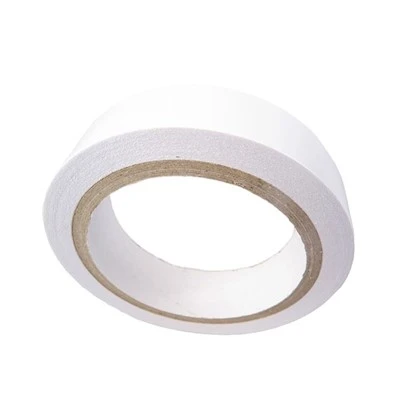
A thoughtful unboxing experience is highly shareable. Consider the entire journey: opening the package, revealing the product, and the tactile experience of handling the label. Soft-touch finishes, inside-box designs, branded tape, and custom tissue paper all contribute.
What this means for you: The moment of first contact is the moment of greatest sharing potential. Design for it.
7. Tell a Story Through Materials
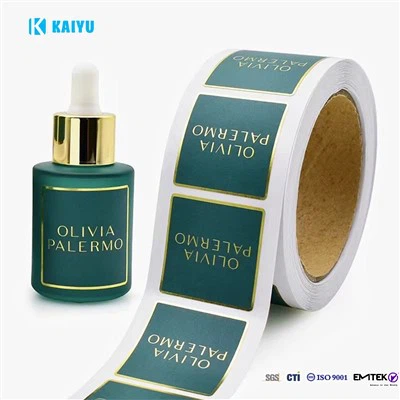
Heavy-weight paper stock, embossed details, or foil accents signal luxury. Sustainable materials communicate ethical responsibility-today's consumers look for eco-friendly choices. The label's texture, finish, and layout all contribute to perception.
What this means for you: Your material choices are part of your brand story-and part of what makes your label shareable.
The Fly By Jing Playbook: A Case Study
Fly By Jing's packaging refresh offers a replicable model for how physical product design can function as a perpetual acquisition asset. The brand's founder, Jing Gao, made a deliberate decision early on: she spent more on packaging than on paid media in year one.
The refresh centered on three changes:
Increasing contrast ratios on label typography so text read clearly in 9:16 video at small sizes
Standardizing a brand color palette that photographed consistently under both natural light and ring-light conditions
Adding subtle tactile texture to packaging that made unboxing footage more satisfying on camera
The results were measurable:
34% higher thumb-stop rate on TikTok for UGC featuring the new packaging
19% improvement in link click-through rate on Meta
Studio photography underperformed both UGC cohorts on every top-of-funnel metric
As Gao put it: "The packaging wasn't just packaging anymore. It was the set. It was the costume. It was the first frame of every piece of content our community was making for us".
Frequently Asked Questions
Q1: What makes a label "Instagrammable"?
An Instagrammable label is visually striking, photogenic from multiple angles, and designed to look good in photos and videos. Key elements include high contrast, bold typography, a strong color palette, and interesting textures or finishes. The label should also be legible at thumbnail size and work well in both natural and artificial light.
Q2: Do I need to put my social media handles on my labels?
Yes-it is one of the simplest and most effective ways to encourage sharing. Displaying your social media handles and a branded hashtag on your labels makes it easy for customers to tag you and for you to track user-generated content.
Q3: How much should I invest in shareable label design?
Consider it an investment in marketing, not just packaging. Fly By Jing spent more on packaging than on paid media in year one and saw organic content impressions climb 3.1x. The return comes through user-generated content, which often outperforms studio-produced creative.
Q4: What is the "thumb-stop" factor?
Thumb-stop refers to the ability of a visual to make someone pause while scrolling through social media. For packaging, this means high contrast, clear hierarchy, and a dominant visual element that registers instantly even at thumbnail size. Fly By Jing achieved a 34% higher thumb-stop rate after its packaging refresh.
Q5: Should I design my label for the shelf or for social media?
Both-but the priority is shifting. Packaging now has to work in 9:16 format before it works in 3D. Design for the screen first, then adapt for the shelf. The brands winning today are designing with a camera lens-not just a retail shelf-as their primary constraint.