Clear Custom Labels: Benefits, Uses, and Printing Options

What Are Clear Custom Labels?
Clear custom labels are made from transparent film materials-typically BOPP (biaxially oriented polypropylene) or polyester-that allow light to pass through the unprinted areas. Unlike paper labels or white plastic labels, clear labels have no opaque background. When applied to a surface, they blend in, leaving only your design elements visible.
Most clear labels are durable, waterproof, and resistant to oils and abrasion. They are designed with permanent adhesives that keep them securely in place, though removable options are also available for temporary applications. Many professional printing services also offer food-safe clear labels suitable for direct contact with food packaging.
Key Benefits of Clear Custom Labels
1. The "No‑Label" Aesthetic
Clear labels disappear on glass or glossy surfaces, creating a seamless, premium look that feels intentional and high‑end.
2. Cost‑Effective Alternative
Direct printing on containers requires shipping and handling. Clear labels give the same printed‑on appearance at a fraction of the cost, with only one shipping fee for the labels themselves.
3. Product‑First Presentation
Your product becomes the focal point-whether it is amber beer, creamy lotion, or golden honey. The transparency also signals honesty and quality.
4. Durability and Protection
Film materials resist moisture, sunlight, and everyday wear. They perform well in refrigerated or wet environments.
5. Versatility
From food and beverages to cosmetics and crafts, clear labels work across nearly every product category. They can be cut into any shape and finished with matte or gloss coatings.
Common Uses for Clear Custom Labels
Food and Beverage Packaging
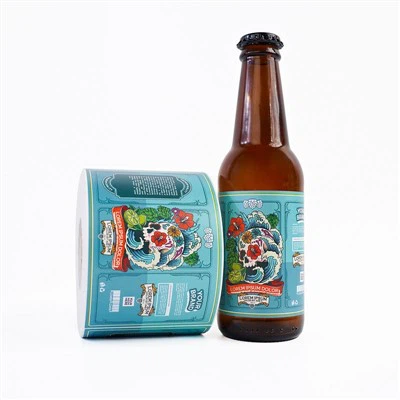
Clear labels are popular on glass bottles and jars-honey, olive oil, juice, wine, and craft beer. They let the product's color and quality show through, building consumer trust. Many printers ensure food‑safe materials.
Cosmetics and Skincare
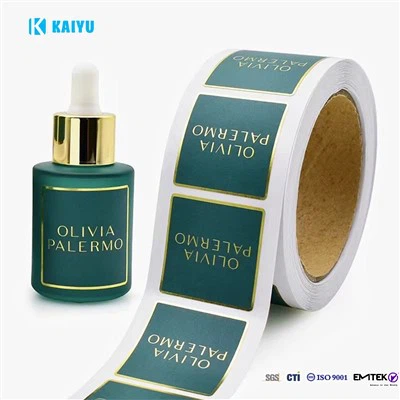
Beauty products use clear labels for a clean, modern feel. Lotions, serums, soaps, and oils look more luxurious when the packaging becomes part of the branding. Matte finishes suit natural or organic lines.
Small Business and Handmade Products
Artisans and small business owners get professional packaging affordably. Candles, jams, bath bombs, and gift sets all benefit from a polished look.
Event and Personal Use
Clear labels are also used for wedding favors, party decorations, return address labels, and personalized gifts. Their transparency complements any surface.
Printing Options for Clear Custom Labels
Choosing the right printing method is critical to achieving the look and durability you need. Here are the primary options available.
Digital Printing
Best for short to medium runs. No plates mean low setup costs and fast turnaround. Ideal for small quantities (hundreds to thousands), multiple SKUs, or variable data like barcodes and serial numbers. Most digital presses deliver vibrant, full‑color results.
Flexographic Printing
Flexo uses flexible plates and runs at high speed, making it cost‑effective for very large runs (hundreds of thousands of labels). However, plates are custom, so setup costs and lead times are higher. Best for large volumes, stable designs, or exact brand color matches.
Screen Printing
Slower but delivers thick ink layers for texture, opacity, and vibrancy. Excellent for opaque white on clear or metallic materials. Ideal for labels needing dense white underprinting, tactile effects, or high durability (outdoor equipment, automotive decals).
Hybrid Printing
Combines digital, flexo, and screen in one inline process. It gives you digital flexibility, flexo speed, and screen printing's opacity and texture-all with reduced setup time and cost.
Finish Options: Matte vs. Gloss
The finish you choose affects both the look and functionality of your clear labels.
Gloss Finish
Glossy clear labels are shiny and reflective. They enhance color vibrancy and brightness, great for bold graphics and retail products. However, glare can reduce readability under certain lighting.
Matte Finish
Matte clear labels have a frosted, translucent appearance. They diffuse light, making text easier to read from any angle. Matte conveys a sophisticated, premium feel, especially for organic or high‑end products. They are more translucent than fully transparent, creating a soft window effect.
Design Considerations for Clear Labels
White Underprinting
A common mistake is skipping white underprinting. Without a white ink layer, colors become translucent and may blend with the container. Professional printers apply white ink where opacity is needed to keep graphics vivid. On white containers, underprinting may be unnecessary; on dark or colored surfaces, it is essential.
Contrast and Readability
Plan contrast carefully. On dark products, use light text and images; on light products, use darker elements. Always test your design on the actual packaging-what looks clear on screen can become invisible on glass.
Embrace Negative Space
Less is more with transparent labels. Let the product show through in strategic areas. Think of your design as floating elements rather than a solid block. This creates visual calm and highlights your key messages.
Frequently Ask Questions
1. Are clear custom labels waterproof?
Yes, most are printed on waterproof films like BOPP or polyester. They resist moisture and oil. However, not all are dishwasher‑safe-check with your printer if that is needed.
2. Do clear labels work on dark surfaces?
Yes, but they require white underprinting. Without it, colors appear translucent and may be hard to read. Professional printers can add white underprint to keep designs bold.
3. What is the difference between matte and gloss clear labels?
Gloss gives a shiny, reflective finish that boosts color but can cause glare. Matte offers a frosted, light‑diffusing look that is easier to read from any angle and feels more premium.
4. Can I print clear labels myself at home?
Yes, using blank clear label sheets in an inkjet or laser printer. But home printers lack white ink, so designs will be semi‑transparent. For professional opacity and white underprinting, use a commercial printing service.
5. Are clear labels food‑safe?
Many professional services offer food‑safe clear labels. Always confirm with your printer that materials and adhesives meet food safety standards if your product touches food.