Candles, Soaps, Handmade Skincare – How Custom Labels Elevate the Perceived Value of Artisan Products

Your product might be the best candle in the world. Your soap might be made with the finest natural ingredients. Your skincare formula might be revolutionary. But if the label looks like an afterthought, customers will assume the product inside received the same treatment.
For artisan products-candles, soaps, handmade skincare-the label is often the first physical touchpoint a customer has with your brand. Before anyone smells the fragrance or feels the texture of your lotion, they see the label. And in those first few seconds, they make a judgment about quality.
A cheap‑looking label on a premium product undermines perceived value, while a high‑quality label on even a simple product elevates the entire brand experience. For makers of handmade goods, this is not just a design choice-it is a business decision.
The Research: Why Labels Matter for Perceived Value
The numbers tell a clear story. According to 2026 data, over 35% of consumers are willing to pay a premium of more than 20% for packaging with visible handmade or custom elements. This willingness is particularly strong in premium beauty, leather goods, and luxury gifts.
Packaging design directly influences purchase decisions. 72% of consumers say that a rough, cheap‑looking package lowers their expectations of product quality. In the handmade and designer goods space, the unboxing experience now accounts for up to 35% of repurchase decisions-second only to product quality itself.
The global premium packaging market with "handmade" or "artisan" elements has been growing at over 15% annually for three consecutive years. This is not a passing trend. It is a fundamental shift in consumer expectations.
When your label feels handcrafted, it signals authenticity, care, and quality-and customers are willing to pay more for it.
What Makes an Artisan Label Feel Premium?
1. Texture and Tactile Materials
Artisan products are meant to be handled. The "feel" of the label is often just as important as the look. Uncoated paper stocks with a matte, "toothy" texture feel more genuine than high‑gloss plastic. Kraft paper suggests eco‑friendliness and "straight‑from‑the‑farm" origins.
For candles, soaps, and skincare, matte white vinyl is the most popular material for artisan product labels. It is non‑reflective, fingerprint‑resistant, and waterproof-ideal for products that will be handled frequently or exposed to moisture. Kraft paper labels convey a natural, rustic aesthetic that aligns with eco‑conscious brands.
2. Custom Shapes and Die‑Cuts
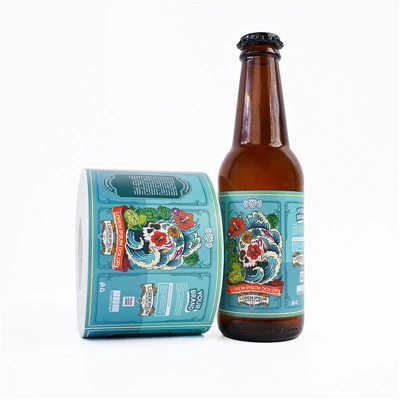
Standard rectangles look like commodities. Artisan labels use custom shapes to stand out-arched tops, scalloped borders, or shapes that follow the contours of an illustration. A round candle label often evokes softness and tradition, while a rectangular format offers a more modern and structured feel. Some brands go further with hexagonal, oval, or completely custom shapes.
3. "Human" Typography
Avoid generic corporate fonts. Hand‑lettering, custom scripts, and vintage serif fonts imply that the maker personally approved every detail. Mixing font styles creates a "curated" look that feels intentional and personal.
4. Limited, Intentional Color Palettes
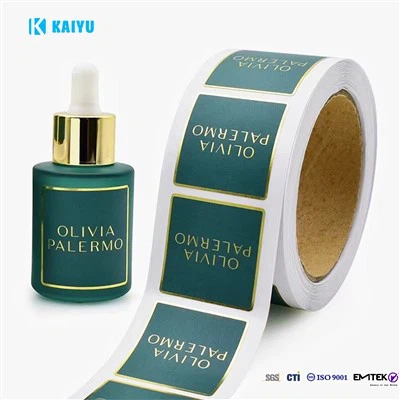
Mass‑market brands use bright, neon colors. Artisan brands tend to be more restrained: earthy greens, terracotta, deep navy, charcoal. Metallic accents-gold or copper foil-sparingly applied suggest premium quality without being gaudy. A simple black‑and‑white design can often look more expensive than a full‑color one.
5. Finishes That Communicate Quality
Matte finishes give a minimalist, subdued look that feels modern and premium. Glossy finishes add shine and enhance color intensity. Soft‑touch laminates create a velvety surface that signals luxury. Embossing, foil stamping, and spot UV instantly reinforce high‑end appeal.
6. Storytelling and Transparency
The label is the bridge between the maker and the consumer. Artisan labels should tell a story-where ingredients were sourced, how the product was made, who the artisan is. Including a batch number, a "bottled on" date, or a brief origin story adds scarcity and authenticity.
Material Choices for Candles, Soaps, and Skincare
| Material | Best For | Key Benefits |
|---|---|---|
| Matte White Vinyl | Candles, cosmetics, soap, food jars | Non‑reflective, fingerprint‑resistant, waterproof |
| Clear Vinyl | Glass bottles, clear containers | "No‑label" look-design appears printed directly on the product |
| Kraft Paper | Eco‑conscious brands, handmade soaps, candles | Natural, rustic aesthetic |
| Metallic Vinyl | Luxury cosmetics, spirits, limited editions | Immediate premium impression |
Practical Tips for Artisan Brands
1. Start with your story. Your label should reflect your brand's personality-whether it is luxury, rustic, or playful. Use consistent fonts, colors, and iconography across all your labels and packaging.
2. Test before you commit. Always measure your containers before designing. Print a sample and stick it to your product to check spacing, readability, and fit.
3. Don't overcrowd. White space is your friend. Use no more than two or three fonts total-one for headings, one for body text, and maybe one accent style.
4. Choose the right adhesive. For products that will be handled frequently or exposed to moisture, waterproof and oil‑resistant materials are essential.
5. Think beyond the rectangle. Custom die‑cuts, unusual shapes, and thoughtful details make your product feel special and intentional.
Frequently Asked Questions
Q1: Are custom labels worth the investment for a small artisan brand?
Yes. Research shows that over 35% of consumers are willing to pay a premium of more than 20% for packaging with custom or handmade elements. A professional label builds trust, communicates quality, and justifies higher pricing.
Q2: What is the best label material for candles?
Matte white vinyl is the most popular choice for artisan candles. It is waterproof, fingerprint‑resistant, and looks premium. For a rustic look, kraft paper works beautifully.
Q3: What label material works best for soaps and skincare?
Matte white vinyl is ideal for soaps and skincare products that will be handled frequently. For a "no‑label" look on glass jars, clear vinyl is a great option.
Q4: How can I make my artisan label look more premium without breaking the bank?
Choose matte finishes over gloss-they look more sophisticated. Use limited color palettes with earthy or monochrome tones. Add a custom die‑cut shape to move away from standard rectangles. Include a brief story or origin note on the label.
Q5: What are the most important design elements for an artisan label?
Tactile material, custom shapes, human typography, intentional color palettes, and storytelling. The label should feel personal and rooted in a story-not mass‑produced. Keep it readable, avoid overcrowding, and make sure it reflects your brand's personality.