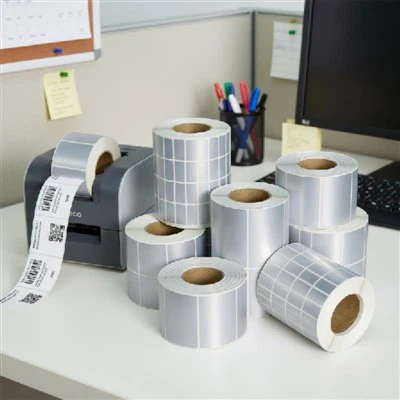
What is the best placement for QR packaging labels on products? Well, that's a question I get asked a lot as a QR packaging labels supplier. I've seen all sorts of placements, and I'm here to share some insights on what works best.
First off, let's talk about why QR codes on packaging are so popular. They're a great way to provide additional information to consumers. With just a quick scan, customers can access product details, user manuals, promotions, and even behind - the - scenes content. This enhances the overall customer experience and can boost brand loyalty.
Placements on Different Product Types
1. Bottles
When it comes to bottles, like those for Best Beer Bottle Labels, the placement can make a big difference. One of the most common and effective spots is on the back label. The back label usually has more space compared to the front, and customers are more likely to look there for additional information. It's also less likely to interfere with the main branding on the front.
However, if your bottle has a large label that wraps around, you could consider placing the QR code on the side. This gives it a bit of prominence without being too in - your - face. Just make sure it's in a position where it's easy to scan. For example, if the bottle is usually held in the right hand, place the QR code on the left side so that the scanning device can easily reach it.
2. Boxes
Boxes are another common product type. For rectangular boxes, the top is often a good choice. It's a flat surface that's easy to scan, and it's likely to be visible when the product is on the shelf or being carried. But there's a catch - if the box is stacked with others, the top might not be accessible. In that case, the side of the box can be a great alternative.
If your box has a window or a clear panel, you can place the QR code next to it. This can draw the customer's attention as they look inside the box. And if the box is for a food product, like those with Stickers For Packaging Food, make sure the QR code is placed in an area that won't get dirty or damaged during handling.
3. Flexible Packaging
Flexible packaging, such as pouches, can be a bit trickier. The front of the pouch is usually dominated by branding and product images. So, the back or the side is a better option. You can also consider placing the QR code near the opening of the pouch. This way, when the customer opens the package, they're more likely to notice the code.
If the pouch has a resealable feature, placing the QR code near the resealable area can be effective. As the customer uses the product multiple times and opens and closes the pouch, they're bound to see the code.


Factors to Consider
1. Visibility
The QR code needs to be visible to the customer. It should stand out enough to catch their eye but not so much that it overpowers the branding. Using a contrasting color for the QR code can help with visibility. For example, if your packaging is mostly dark, use a light - colored QR code.
2. Accessibility
It's important that the QR code is easy to scan. This means considering the position of the code in relation to how the product is held. If the product is usually held in one hand, make sure the QR code is on the side that's accessible to the other hand for scanning.
3. Branding
The placement of the QR code should not disrupt the overall branding of the product. It should blend in with the design and enhance the packaging, not detract from it. You can incorporate the QR code into the existing design elements, like using it as part of a pattern or a graphic.
4. Product Usage
Think about how the product is used. If it's a product that's used outdoors, make sure the QR code is protected from the elements. If it's a product that's handled a lot, place the QR code in an area that won't get worn out easily.
Testing Different Placements
It's a good idea to test different placements of the QR code on your product. You can do this by running small - scale marketing campaigns with different QR code placements. Track the scan rates for each placement to see which one performs the best.
You can also get feedback from customers. Ask them which placement of the QR code they found most convenient and noticeable. This can give you valuable insights into what works and what doesn't.
Special Considerations for Flame - Retardant Labels
For products with PET Flame - retardant Labels, the placement of the QR code needs to take the flame - retardant properties into account. Make sure the QR code doesn't compromise the effectiveness of the label. Also, since these labels are often used in industrial or safety - related products, the QR code should be placed in a position where it's easy to access in case of an emergency.
Conclusion
So, what's the best placement for QR packaging labels? There's no one - size - fits - all answer. It depends on the product type, the brand, and the intended use. But by considering factors like visibility, accessibility, branding, and product usage, you can find the optimal placement for your QR code.
If you're looking for high - quality QR packaging labels for your products, I'd love to have a chat with you. We can discuss your specific needs and come up with the best placement and design for your labels. Whether it's beer bottle labels, food packaging stickers, or flame - retardant labels, we've got the expertise to make it work. Reach out to us to start the conversation and take your product packaging to the next level.
References
- Smith, J. (2020). Packaging Design Trends. Journal of Packaging Studies, 15(2), 45 - 56.
- Johnson, A. (2021). The Impact of QR Codes on Consumer Engagement. Marketing Insights Quarterly, 22(3), 78 - 89.