Ensuring the visibility of UPC barcode labels on products is crucial for both retailers and consumers. As a UPC Barcode Labels supplier, I understand the significance of clear and scannable barcodes in the modern retail landscape. In this blog, I will share some key strategies and considerations to guarantee that UPC barcode labels are visible on the product.
Understanding the Importance of UPC Barcode Visibility
UPC barcodes play a vital role in the retail industry. They are used for inventory management, pricing, and point - of - sale transactions. A barcode that is not visible or scannable can lead to delays at the checkout, errors in inventory tracking, and customer dissatisfaction. Therefore, ensuring the visibility of UPC barcode labels is essential for the smooth operation of the retail supply chain.


Design Considerations
Contrast
One of the most important factors in barcode visibility is contrast. The barcode should have a high contrast between the bars and the background. Dark bars on a light background are the most common and effective combination. For example, black bars on a white background provide excellent contrast and are easily scannable by barcode readers. When designing the label, it is crucial to choose colors that meet the required contrast standards.
Size
The size of the barcode also matters. The barcode should be large enough to be scanned accurately. According to industry standards, the minimum size for a UPC barcode is 0.8x magnification, but larger sizes are often recommended for better readability. When selecting the size of the barcode, consider the size of the product and the distance from which the barcode will be scanned. For small products, a smaller barcode may be sufficient, but for larger items, a larger barcode is necessary.
Placement
Proper placement of the barcode on the product is essential. The barcode should be placed in a location that is easily accessible and not likely to be obscured. Avoid placing the barcode near seams, folds, or areas that may be damaged during handling or shipping. For example, on a box, the barcode is often placed on the top or side panel where it can be easily scanned.
Material and Printing Quality
Label Material
The choice of label material can affect the visibility of the barcode. The material should be smooth, durable, and resistant to wear and tear. Paper labels are commonly used, but they may not be suitable for products that are exposed to moisture, heat, or chemicals. In such cases, plastic or vinyl labels may be a better option. These materials are more resistant to environmental factors and can ensure the long - term visibility of the barcode.
Printing Technology
The printing technology used to create the barcode labels also plays a significant role. High - quality printing methods such as thermal transfer printing or digital printing can produce sharp and clear barcodes. These methods ensure that the bars and spaces in the barcode are accurately printed, which is essential for scannability. Avoid using low - quality printing methods that may result in blurry or smudged barcodes.
Testing and Verification
Pre - production Testing
Before mass - producing the barcode labels, it is important to conduct pre - production testing. This involves printing a sample label and testing it with a barcode scanner. The scanner should be able to read the barcode accurately and quickly. If there are any issues with the barcode, such as low contrast or incorrect sizing, the design can be adjusted before production.
Post - production Verification
After the labels are printed, post - production verification should be carried out. This involves randomly selecting a sample of labels and testing them with a barcode scanner. This helps to ensure that the entire batch of labels meets the required quality standards. If any non - compliant labels are found, they can be reprinted or removed from the batch.
Industry Standards and Regulations
UPC Standards
The Uniform Code Council (UCC) has established specific standards for UPC barcodes. These standards cover aspects such as barcode size, contrast, and placement. As a UPC Barcode Labels supplier, it is my responsibility to ensure that all the labels I provide comply with these standards. Failure to comply with UPC standards can result in barcode scanning issues and legal problems.
Other Regulations
In addition to UPC standards, there may be other regulations that apply to barcode labels. For example, some products may require additional information to be included on the label, such as country of origin or product warnings. It is important to stay updated on these regulations and ensure that the barcode labels meet all the necessary requirements.
Special Considerations for Different Products
Food and Beverage Products
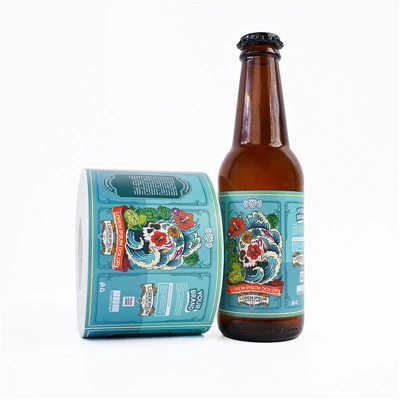
For food and beverage products, the barcode labels should be resistant to moisture and grease. Best Beer Bottle Labels often use special materials and printing techniques to ensure that the barcode remains visible even when the bottle is wet. Additionally, food products may require additional labeling information, such as expiration dates and nutritional information.
Electronic Products
Electronic products may have unique requirements for barcode labels. The labels should be able to withstand static electricity and other environmental factors. They may also need to be placed in a specific location on the product to ensure easy scanning. Product Packaging And Printing Labels for electronic items are often designed to be durable and visually appealing.
Cosmetics and Personal Care Products
Cosmetics and personal care products are often sold in small containers. The barcode labels for these products need to be small but still visible and scannable. They may also need to be aesthetically pleasing to match the overall product packaging. Environmentally Friendly Labels are becoming increasingly popular in this industry, and they can be designed to meet both the visibility requirements and the environmental standards.
Conclusion
Ensuring the visibility of UPC barcode labels on products is a multi - faceted process that involves careful design, selection of materials, high - quality printing, and compliance with industry standards. As a UPC Barcode Labels supplier, I am committed to providing labels that meet the highest quality standards and ensure smooth scanning at the point of sale.
If you are in need of high - quality UPC barcode labels for your products, I encourage you to reach out to me for a consultation. We can discuss your specific requirements and work together to create the perfect barcode labels for your business. Whether you are a small startup or a large corporation, I have the expertise and resources to meet your needs.
References
- Uniform Code Council (UCC) Barcode Standards
- Industry best practices for barcode label design and printing
- Research on barcode visibility and scannability in different industries