Screen printing is a long-established and widely used graphic transfer process. With its wide printing surface, rich colors, and high durability, it occupies an important position in the art, commerce, and industry. Its principle is to use a fine-mesh screen as the printing plate, and a squeegee forces ink through the mesh to form patterns or text on the substrate. This process is both intuitive and controllable.
The core of screen printing lies in the production of the screen. Traditionally, silk, nylon, or polyester fibers are woven into a mesh structure, which is then coated with a photosensitive emulsion and exposed and developed. This seals the mesh openings in the non-image areas, leaving only the transparent areas of the desired graphic. Modern screen materials and photosensitive technology have continuously improved, significantly increasing precision and durability, allowing for more complex graphics and multiple printing needs. The choice of mesh size directly affects the detail and ink layer thickness of the finished product. Coarse mesh is suitable for large areas of color and thick ink effects, while fine mesh can express delicate lines and gradations.
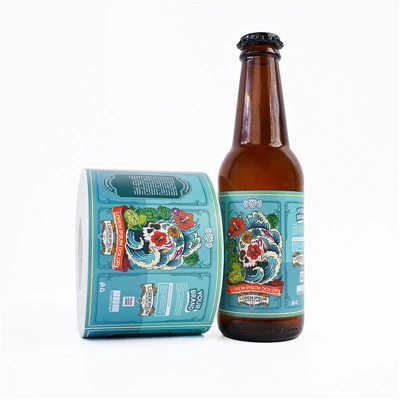
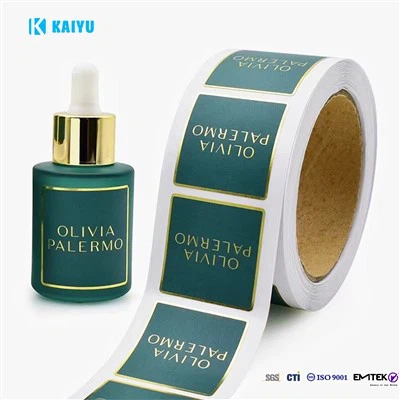
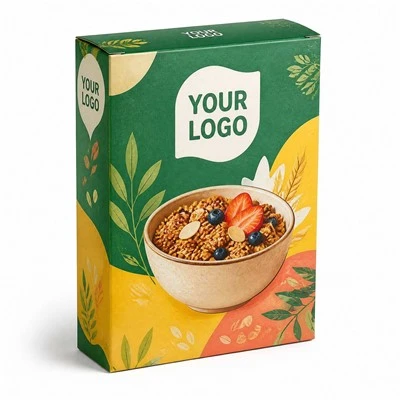
In the process, the appropriately prepared ink is first placed above the screen, and then scraped across it at a certain angle and pressure at a uniform speed using a rubber squeegee. The ink is forced through the open mesh and adheres to the substrate. After the screen is lifted, the pattern remains on the surface, followed by drying or curing. The type of ink varies depending on the substrate, ranging from offset inks suitable for paper to weather-resistant inks specifically for plastics, metals, and glass, and even formulas for special effects such as luminescence and fluorescence. Multiple colors can be layered in a single print, achieving rich color combinations through registration and positioning, which is why screen printing is so popular in posters, packaging, and clothing printing.
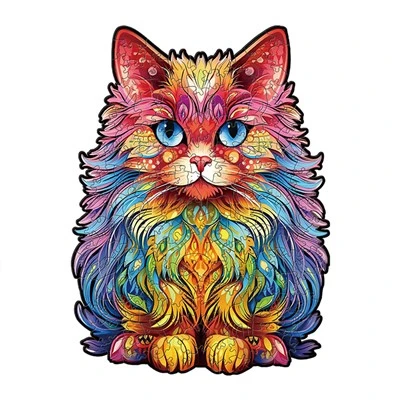
The advantages of screen printing lie in its adaptability; it can print on almost any flat surface and even some curved surfaces, such as fabric, wood, ceramics, and circuit boards. It also produces a thick ink layer with strong coverage, resulting in long-lasting colors that are not easily faded. Compared to digital printing, it has a greater cost advantage in mass production, especially for large sizes or special materials, where it can present a full and three-dimensional visual effect. Furthermore, manual or semi-automatic operation retains a certain degree of artistic expression, allowing creators to explore their individual styles through texture and layering.
With technological advancements, screen printing is also integrating digital plate-making and automated printing equipment, improving precision and efficiency, and expanding into high-precision manufacturing fields such as touchscreen conductive circuits and solar cell electrodes. Despite the continuous emergence of new printing methods, screen printing, due to its unique texture and reliable performance, continues to hold an important position in design and industrial applications.
Overall, screen printing is not only a mature method of image and text reproduction, but also a process that combines practicality and artistic value. Through the interplay of screen and ink, it transforms design concepts into tangible and durable material forms, connecting the spirit of craftsmanship with the diverse possibilities of modern production.