Waterproof Labels: Materials, Use Cases, and How to Choose the Right One

If you have ever printed a label for a product, only to see it smudge, peel, or fall apart after touching water, you already understand why waterproof labels matter. Whether you run a small jam business, sell skincare products, or need durable storage labels for your workshop, choosing the right waterproof label can be confusing. Do you need polyester? Polypropylene? Vinyl?
This article helps you cut through the confusion. You will learn which materials work best for different environments, what common applications look like, and exactly how to pick a waterproof label that lasts.
Why Ordinary Labels Fail in Wet or Humid Conditions
Most basic paper labels are not designed to handle moisture. Even so-called "strong" paper labels will eventually absorb water, causing ink to bleed and adhesive to break down. Humidity, refrigeration, condensation, and direct water exposure are all threats.
A truly waterproof label must resist three things:
Water absorption (the material itself should not soak up liquid)
Ink degradation (printing must stay legible when wet)
Adhesive failure (the label should not fall off in damp or submerged conditions)
Once you understand those three risks, it becomes much easier to evaluate the options.
Most Common Waterproof Label Materials
Different materials offer different levels of protection. Below are the most widely used options in the industry.
Polypropylene (PP) – The Everyday Workhorse
Polypropylene is one of the most popular choices for waterproof labels. It is white, smooth, and accepts a wide range of printing technologies including laser, thermal transfer, and UV inkjet.
Key traits:
Waterproof and tear-resistant
Good chemical resistance (oils, mild acids)
Moderate temperature resistance (up to around 80°C)
Affordable for medium to large runs
Best for: product packaging, cosmetic jars, household chemical bottles, and shipping labels.
Polyester (PET) – The Heavy-Duty Option
If you need extreme durability, polyester (PET) outperforms polypropylene in almost every category - but it costs more. PET labels are thinner, stronger, and more stable across temperature extremes.
Key traits:
Excellent waterproof performance (can survive prolonged submersion)
High heat resistance (up to 150°C or more depending on adhesive)
Very resistant to solvents, oils, and UV light
More rigid than PP
Best for: industrial equipment, outdoor warning labels, laboratory specimens, automotive parts, and electronics.
Vinyl – Flexible and Weather-Resistant
Vinyl is thicker and softer than both PP and PET. It excels outdoors because it resists UV degradation and remains flexible in cold weather.
Key traits:
Completely waterproof
Excellent outdoor durability (5+ years)
Conforms well to curved or rough surfaces
Often used with overlaminate for extra protection
Best for: boat decals, outdoor equipment labels, bumper stickers, and signage.
Synthetic Paper – When You Want a Paper Feel
Synthetic paper (sometimes called "plastic paper") feels like high-quality paper but behaves like plastic. It is waterproof and tear-resistant while offering a natural printing surface for inkjet or laser printers.
Key traits:
Waterproof and smudge-resistant
Writable with pen or marker
Prints well on standard home or office printers
Softer feel than PET or vinyl
Best for: freezer labels, plant tags, map labels, and craft projects.
Key Use Cases for Waterproof Labels
Food and Beverage Packaging
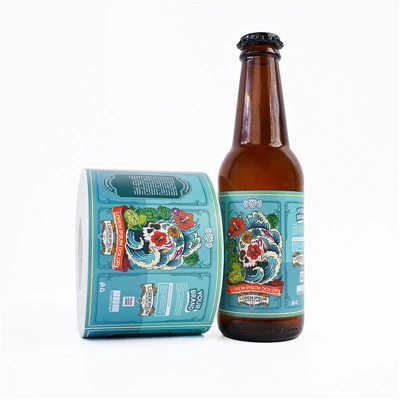
Refrigerated products, frozen goods, and beverages all require waterproof labels. Condensation from cold surfaces will destroy ordinary paper in hours. Many food producers choose polypropylene (PP) for balance between cost and reliability.
Cosmetics and Personal Care
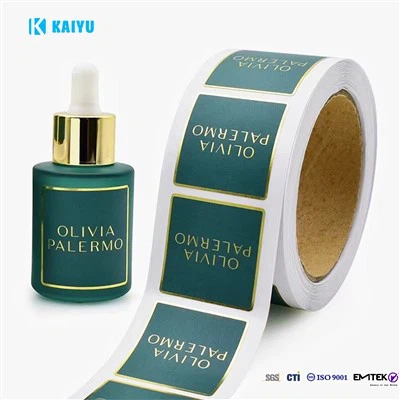
Shampoos, lotions, soaps, and face washes sit in humid bathrooms. Leaks and spills are common. Cosmetic manufacturers often prefer clear polypropylene or polyester for a high-end look that survives daily wet use.
Outdoor and Industrial Applications
From electrical warning labels to garden chemical bottles, outdoor exposure demands the highest level of protection. Polyester and vinyl dominate this space. UV resistance is just as important as waterproofing in outdoor settings.
Home Organization and Crafting
More people are printing waterproof labels at home for pantry jars, food storage containers, and children's water bottles. Synthetic paper or printable vinyl sheets are the most practical choices here because they work with consumer inkjet printers.
How to Choose the Right Waterproof Label
Instead of guessing, ask yourself these four questions before buying.
What environment will the label face?
Brief moisture or condensation? → Polypropylene or synthetic paper.
Prolonged water exposure or submersion? → Polyester or vinyl.
High heat or chemicals? → Polyester.
Outdoor sun and weather? → Vinyl or UV-stable polyester.
What printing method are you using?
Not all waterproof labels work with all printers.
Laser printers (toner) → PP, PET, synthetic paper.
Thermal transfer → PP, PET (requires ribbon).
Inkjet (pigment ink) → Synthetic paper, coated vinyl.
Inkjet (dye ink) → Not recommended for waterproof labels unless specified.
If you are printing at home with a standard inkjet printer, look specifically for "waterproof inkjet labels" - usually synthetic paper or vinyl with a special coating.
Do you need permanent or removable adhesive?
Permanent adhesive is designed to be difficult or impossible to remove cleanly. Use for pricing, safety warnings, or final product packaging.
Removable adhesive allows repositioning and clean removal. Use for temporary organizing, prototypes, or returnable containers.
What is your required volume and budget?
Higher durability costs more. For many small businesses, polypropylene in medium volume (500–5,000 labels) offers the best value. Polyester should be reserved for applications where failure would be dangerous or costly.
Comparing Waterproof Label Materials at a Glance
| Material | Water Resistance | Heat Resistance | Flexibility | Typical Cost |
|---|---|---|---|---|
| Polypropylene (PP) | High | Moderate (80°C) | Good | $ |
| Polyester (PET) | Very High | High (150°C+) | Low | $$ |
| Vinyl | Very High | Moderate | Very High | $$–$$$ |
| Synthetic Paper | Moderate to High | Low (60–70°C) | Moderate | $ |
Common Mistakes When Buying Waterproof Labels
Even experienced buyers make these mistakes.
Assuming "water-resistant" is the same as waterproof.
Water-resistant labels survive splashes. Waterproof labels survive submersion. Read specifications carefully.
Matching material to wrong printer.
A beautiful polyester label is useless if your laser printer cannot fuse toner to it without smearing.
Forgetting about adhesive temperature range.
A waterproof label with cold-temperature adhesive will fail at room temperature, and vice versa. Always check the operating range.
Ignoring surface energy.
Some plastics (like polyethylene bottles) require special high-tack adhesives. A normal waterproof label may peel off within days.
Conclusion
Choosing the right waterproof label is not about finding one "best" material - it is about matching material, adhesive, and printing method to your real-world conditions. For most general product packaging, polypropylene offers excellent waterproofing at a fair price. For harsh environments, polyester or vinyl justify the extra cost.
Remember: test before you commit. Order sample rolls, stick them on your actual products, and expose them to the worst conditions they will face. A few weeks of testing can save months of customer complaints.
Frequently Asked Questions (FAQ)
1. Can I print waterproof labels on my regular home inkjet printer?
Yes, but only if you buy labels specifically made for inkjet printing, such as synthetic paper or coated vinyl. Standard glossy waterproof label sheets are often designed for laser printers only.
2. Are all polypropylene labels fully waterproof?
Most are, but the adhesive also matters. Even a waterproof material will fail if the adhesive is not formulated for wet or humid conditions. Look for "waterproof adhesive" in the product description.
3. How long do waterproof labels last outdoors?
Polyester and vinyl labels can last 5–8 years outdoors. Polypropylene typically lasts 1–3 years before UV degradation causes fading or brittleness.
4. What is the cheapest truly waterproof label material?
Synthetic paper is often the lowest-cost option for short-term waterproof needs (like freezer labels). For longer use, polypropylene offers better value overall.
5. Can I remove a waterproof label without leaving residue?
Only if it is specifically made with removable adhesive. Standard permanent waterproof labels will leave adhesive residue upon removal. If clean removal is important, always request a removable adhesive option.