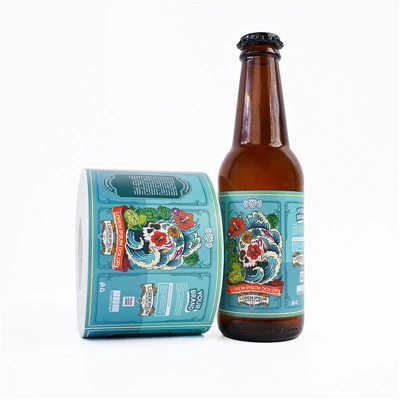
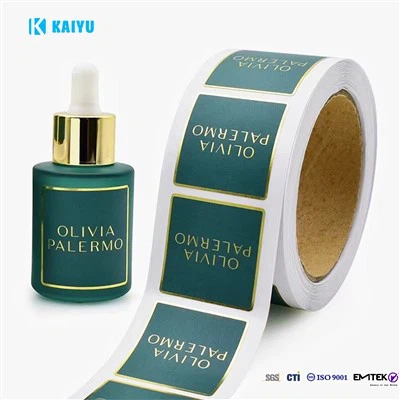
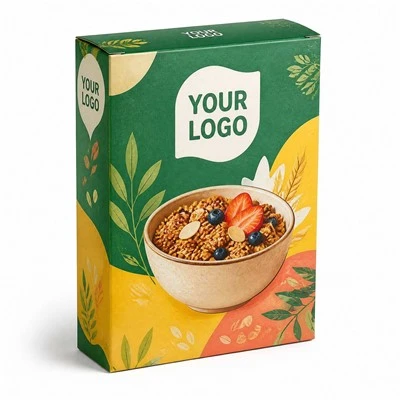
Despite its simple appearance, label paper demonstrates excellent functionality in numerous scenarios of daily life and work. Its advantages lie in information presentation, ease of use, adaptability, and cost-effectiveness, making it an efficient tool for management and labeling.
The primary advantage of label paper is its clear and intuitive information presentation. It can display various formats of content, including text, numbers, barcodes, and QR codes, directly on the surface of objects in a neat layout, allowing users to obtain key information without searching or guessing. In document management, warehousing and sorting, or product sales, this clear presentation significantly reduces identification and retrieval time, minimizing errors and delays caused by unclear information.
Ease of use is another significant advantage of label paper. Most labels come with an adhesive layer; simply peel off the backing paper for a secure adhesion to various surfaces, eliminating the need for additional fixing steps. Combined with thermal, inkjet, or laser printing technologies, customized content can be quickly generated in batches to meet the needs of instant updates. Thermal printing eliminates the need for ink and is faster; inkjet printing delivers color and patterns, enhancing readability; laser printing produces fine, durable images suitable for long-term preservation. This combination allows label paper to flexibly handle various information volumes and time-sensitive requirements.
Label paper also excels in environmental adaptability and material diversity. Ordinary paper-based labels are suitable for indoor environments at room temperature and are less expensive; synthetic paper and film labels are waterproof, oil-proof, and tear-resistant, capable of withstanding harsh conditions outdoors, in cold chain environments, or in industrial settings. The combination of different substrates and surface coatings ensures both readability and stability under varying temperature and humidity or chemical contact.
The targeted adhesive design further highlights its practical advantages. Strong, removable, or weather-resistant adhesives can be selected based on the characteristics of the adhesive surface and the desired lifespan, ensuring long-term adhesion without peeling and easy removal without damaging the object when replacement is needed. This flexibility allows label paper to play a reliable role in scenarios such as electronic device serial number management, food expiration date labeling, and express delivery waybills.
In terms of both economics and environmental protection, label paper also performs exceptionally well. Its low production cost, flexible procurement, and ease of large-scale use, coupled with the application of environmentally friendly paper and biodegradable films, reduce its environmental impact while maintaining performance, aligning with the trends of green office practices and sustainable production.
Overall, label paper offers reliable support for information management, item classification, and process traceability through its multiple advantages, including clarity, convenience, adaptability, and cost-effectiveness. With advancements in materials and printing technology, its advantages will continue to expand, bringing efficient and reliable labeling experiences to more scenarios.