How to Verify Unique Code Labels – A Step‑by‑Step Guide for Consumers

You just bought a product online – maybe a handbag, perfume, or phone battery. You see a small sticker with a unique code label. How do you use it to check if the product is real?
Fake products are everywhere. But unique code labels can help you spot counterfeits. This guide shows you exactly how to verify them safely.
What Is a Unique Code Label?
Definition
A unique code label carries a one‑of‑a‑kind identifier. No two labels have the same code. Brands use them to track products, prevent fakes, and manage warranties.
Common formats:
- A 12–20 digit number or letter‑number mix.
- A QR code (scan with your phone).
Where You Find Them
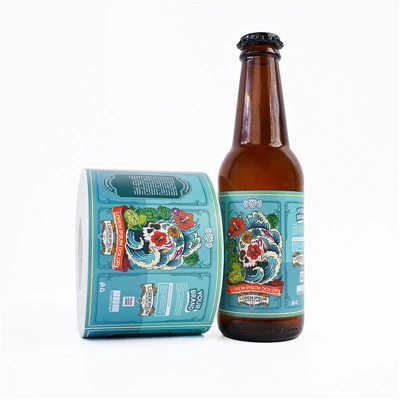
You see these labels on electronics, luxury goods, medicines, car parts, and cosmetics. Sometimes the code is hidden under a scratch‑off coating.
Why Verify Unique Code Labels?
- Avoid counterfeits – Fake electronics can catch fire; fake cosmetics may contain toxins.
- Check warranty – Many brands require code verification to activate support.
- Avoid data theft – Fake verification sites steal your personal info.
Step‑by‑Step Verification Guide
Step 1 – Find the Label
Look on the packaging, the product, or an insert card. Words like "Verification code," "Serial number," or a QR code symbol.
Step 2 – Do Not Scan Anything Yet
Important safety rule: Counterfeiters put fake QR codes on products. Those codes can lead to fake websites.
Step 3 – Go to the Brand's Official Website
Open a new browser tab. Type the brand's real web address (not from the package). Look for "Verify Your Product" or "Check Code." Some brands have a mobile app – download only from official app stores.
Step 4 – Enter the Code Correctly
Type the code exactly as shown. Watch for:
- Uppercase vs. lowercase letters.
- Similar characters (0 vs O, 1 vs I).
- Dashes or spaces – include them unless told to ignore.
If the code is under a scratch‑off coating, gently scratch it.
Step 5 – Read the Result
The website will show:
- "Genuine / Authentic" – First time checked. Product is likely real.
- "Already verified" – Someone checked this code before. Be suspicious.
- "Invalid / Not found" – Code not in database. Almost certainly fake.
Step 6 – Take Action
- If genuine: Keep the packaging or photo of the code for warranty.
- If already verified: Contact brand support. It may be a warning sign.
- If invalid: Stop using the product (especially medicine or electronics). Ask the seller for a refund. Report the fake to the brand and consumer protection.
Red Flags to Watch For
- Poor print quality – Blurry or misaligned text.
- Scratch coating already broken – Someone may have revealed the code.
- Fake verification website – Misspellings or wrong domain (.net instead of .com). Never enter personal info like passwords or credit cards.
Frequently Asked Questions (FAQ)
1. Can a fake product have a valid code?
Yes. Counterfeiters copy real codes. That is why "already verified" is a warning.
2. What if my product has no unique code label?
Not all products have one. But if the brand says all their items include a code and yours does not, it may be fake.
3. Is it safe to scan a QR code on the package?
Usually no. QR codes can lead to fake sites. Type the brand's web address manually.
4. Do I need to verify if I bought from a big retailer?
Yes. Even large stores sometimes sell fakes by accident, especially through third‑party sellers on Amazon or eBay.
5. What do I do if the code says "invalid"?
Stop using the product if it could be dangerous (medicine, food, cosmetics, electronics). Get a refund from the seller. Report the counterfeit to the brand and authorities.