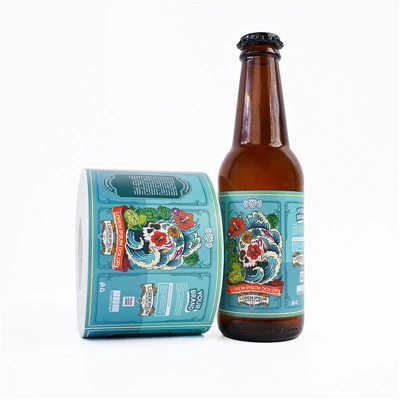
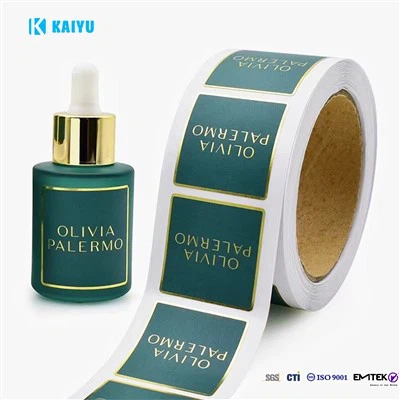
Custom Food Label Stickers: Design, Compliance & Printing Tips
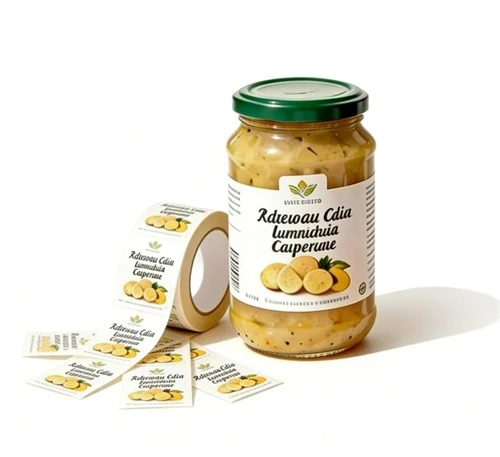
A beautifully designed jar of honey, a batch of artisanal granola, or a new line of hot sauce-your product deserves a label that does more than just look good. Food labels are the face of your brand and your primary communication tool with customers.
Designing custom food label stickers is not just about creativity. You need to balance visual appeal with strict regulatory requirements, choose materials that survive refrigeration and moisture, and select a printing method that delivers consistent quality. This guide covers everything you need to know.
Understanding Food Label Compliance
Before you choose colours or fonts, understand what your label must legally include. In the US, food labeling is regulated by the FDA. Non-compliance can lead to recalls, fines, or brand damage.
What Must Be on a Food Label?
Most packaged foods must display:
- Statement of identity – common name of the product
- Net quantity – how much is in the package
- Nutrition Facts panel – serving size, calories, and nutrients
- Ingredient list – all ingredients in descending order
- Allergen declaration – must clearly identify major allergens (milk, eggs, fish, shellfish, tree nuts, peanuts, wheat, soy, sesame)
- Name and address of manufacturer, packer, or distributor
Small Business Exemptions
Small producers may qualify for relief. Businesses with annual food sales under $500,000 may be exempt from the Nutrition Facts panel. If your annual direct-to-consumer sales are under $50,000, you may also qualify.
Caveats:
Products with nutrient content claims (like "low fat") are not eligible
You must file FDA Form 3570 to claim the exemption
Ingredient lists and allergen declarations are still required
Front-of-Package Labeling: What's Coming
In January 2025, the FDA proposed a new rule requiring a front-of-package "Nutrition Info box" highlighting saturated fat, sodium, and added sugars with Low, Med, or High ratings. If finalized, businesses under $10 million in annual sales would have four years to comply.
Choosing the Right Label Material
Food products face moisture, refrigeration, oils, and handling. The wrong material ruins a beautiful label.
Paper Labels
Affordable, natural texture, ideal for artisanal products. Prints well and accepts varnishes. However, it has poor moisture, oil, and UV resistance. Refrigeration causes wrinkling. Best for dry, shelf-stable products like pasta, spices, or baked goods.
BOPP (Biaxially Oriented Polypropylene)
The workhorse of food labeling. Resists moisture, oils, and chemicals. Available in white, clear, and metallic finishes. Handles refrigeration and condensation without peeling. Best for dairy, beverages, sauces, and any product facing moisture.
Vinyl (PVC)
Thicker, rugged, waterproof, weather-resistant, and tear-resistant. Stands up to ice, outdoor use, and frequent handling. Best for products submerged in ice, outdoor events, or frozen foods.
PET (Polyester)
Superior resistance to water, UV, chemicals, and temperature extremes. High clarity and dimensional stability. Best for premium products, freezer storage, and pasteurised goods.
FDA-Compliant Adhesives
For food products, choose adhesives that are FDA-compliant for indirect food contact-separated from food by a barrier like glass or plastic. Always confirm material and adhesive suitability for your specific application.
Design Tips for Food Labels
A well-designed food label communicates clearly, looks professional, and builds brand recognition.
Keep It Readable
Readability is non-negotiable. Consumers should understand your product within seconds.
- Use high-contrast colours
- Choose clean, simple fonts-save decorative scripts for accents
- Ensure font sizes meet FDA minimums
- Test at actual label size
Leave Room for Compliance Information
Food labels pack a lot of information. Leave adequate space for Nutrition Facts, ingredient lists, and allergen declarations. Crowding makes labels unreadable and potentially non-compliant.
Use Vector Artwork
For best print quality, use vector files (AI, EPS, PDF). If using raster images, ensure at least 300 DPI.
Add Bleed and Safe Zones
Include bleed (1/8 inch or 3mm) if your design extends to the edge. Keep critical text and logos at least 1/8 inch inside the cut line (safe zone).
Choose Finishes That Fit
- Gloss lamination – water resistance, shiny, vibrant
- Matte lamination – soft, premium feel, moisture and scratch protection
- UV varnish – protects ink from fading and smudging
Printing Options for Food Labels
Professional Printing Services
For larger quantities or products that will be sold in retail environments, professional printing is the better choice.
Professional printers offer:
- Consistent, high-quality colour – using CMYK printing for accurate reproduction
- Durable materials – including waterproof BOPP, vinyl, and PET
- Specialty finishes – lamination, embossing, foil stamping, and more
- Die-cutting – custom shapes that match your brand identity
Request a Proof
Always request a proof before full production. Catch errors in spelling, colours, cut lines, and compliance before thousands of labels are printed incorrectly.
Frequently Asked Questions
1. What information is legally required on a food label in the US?
Most packaged foods must include: statement of identity, net quantity, Nutrition Facts panel, ingredient list, allergen declaration, and manufacturer information. Allergens must be clearly identified.
2. What is the best label material for refrigerated food products?
BOPP is recommended for most refrigerated products. It resists moisture, oils, and condensation without peeling. Vinyl is good for products submerged in ice or handled frequently.
3. Are custom food labels safe for food contact?
Yes, when using FDA-compliant adhesives for indirect food contact-separated from food by a glass or plastic barrier.
4. What is the FDA's proposed front-of-package labeling rule?
Proposed in January 2025, it would require a "Nutrition Info box" on the front of most packaged foods, highlighting saturated fat, sodium, and added sugars with Low, Med, or High ratings. Small businesses would have four years to comply if finalized.
5. Should I use gloss or matte finish for food labels?
Gloss adds water resistance and a vibrant finish-great for moisture-prone products. Matte provides a soft, premium feel while protecting against moisture and scratches-ideal for artisanal and organic brands.