As a supplier of PET flame-retardant labels, I often engage in in - depth discussions with clients about the advantages and potential drawbacks of these labels. While PET flame - retardant labels offer significant benefits in terms of safety and durability, it's crucial to be aware of the potential problems that may arise during their use.
1. Compatibility Issues
One of the primary concerns when using PET flame - retardant labels is compatibility with different printing methods and surfaces. For instance, thermal transfer printing is a popular choice for labeling due to its high - quality and long - lasting results. However, the flame - retardant additives in PET labels can sometimes interfere with the thermal transfer process. These additives may cause the ink to adhere poorly to the label surface, resulting in faint or smudged prints. This issue can be exacerbated if the printer settings are not properly calibrated. You can find more information about thermal transfer printing on our Thermal Transfer Printing Paper page.
Another compatibility aspect is the adhesion of the label to various surfaces. PET flame - retardant labels are designed to stick firmly to a range of materials, but certain surfaces may pose challenges. For example, if the surface is oily, dirty, or has a low surface energy, the label may not adhere properly. This can lead to the label peeling off prematurely, which is not only inconvenient but can also compromise the safety information or branding on the label.
2. Environmental Impact
Although PET is a recyclable material, the addition of flame - retardant chemicals can complicate the recycling process. Many flame - retardant additives are not easily separated from the PET matrix during recycling, which can contaminate the recycled material. This not only reduces the quality of the recycled PET but also makes it less attractive to recycling facilities.
In addition, some of the flame - retardant chemicals used in PET labels may have negative environmental impacts during their production and use. For example, certain brominated flame retardants have been linked to environmental pollution and health concerns. These chemicals can accumulate in the environment and in living organisms, potentially causing harm to wildlife and human health. As a supplier, we are constantly researching and developing more environmentally friendly flame - retardant solutions to address these issues.
3. Cost Considerations
PET flame - retardant labels generally come at a higher cost compared to regular PET labels. The addition of flame - retardant additives increases the raw material cost, and the manufacturing process may also be more complex and expensive. This cost can be a barrier for some customers, especially those on a tight budget or in industries where cost - effectiveness is a top priority.
Moreover, the cost of disposal of waste PET flame - retardant labels can also be higher due to the potential environmental risks associated with the flame - retardant chemicals. Customers need to take into account not only the initial purchase cost but also the long - term costs related to the use and disposal of these labels.
4. Regulatory Compliance
The use of flame - retardant labels is subject to various regulations and standards, which can vary from country to country and region to region. Ensuring compliance with these regulations can be a challenge for both suppliers and customers. For example, some countries have strict limits on the types and amounts of flame - retardant chemicals that can be used in labels. If a label does not meet these requirements, it may not be allowed to be sold or used in that country, which can lead to significant financial losses and legal issues.
In addition, regulatory requirements are constantly evolving as new research on the safety and environmental impact of flame - retardant chemicals emerges. Suppliers and customers need to stay updated on these changes and ensure that their PET flame - retardant labels are always in compliance.
5. Physical Durability in Harsh Conditions
While PET labels are generally known for their durability, the flame - retardant additives can sometimes affect their physical properties under harsh conditions. For example, in high - humidity environments, the flame - retardant chemicals may absorb moisture, causing the label to become swollen or distorted. This can not only damage the appearance of the label but also reduce its adhesion and readability.
In environments with extreme temperatures, such as in freezers or near high - heat sources, the performance of PET flame - retardant labels may also be compromised. The label may become brittle in cold temperatures or start to warp in high - heat conditions, making it less effective for its intended purpose.
6. Aligning with Other Packaging Materials
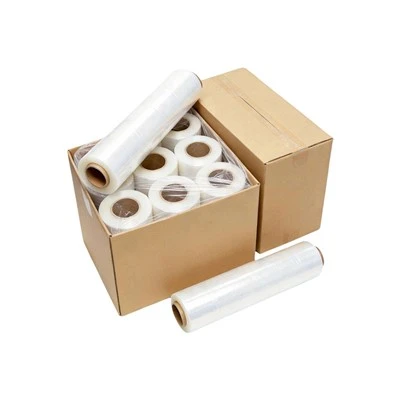
When using PET flame - retardant labels, it's important to consider their compatibility with other packaging materials in the supply chain. For instance, if the labels are used on products wrapped in Heavy Duty Film Wrap or Stretch Film Lldpe, the different materials may interact in unexpected ways. Chemical reactions between the label and the film can occur, which may affect the integrity of both the label and the packaging material.
Furthermore, when it comes to the overall aesthetic and functionality of the packaging, the combination of PET flame - retardant labels with other materials needs to be carefully considered. The labels should not only provide the necessary safety information but also blend well with the overall design of the packaging.
Solutions and Future Outlook
Despite these potential problems, there are solutions available. For compatibility issues, we work closely with customers to ensure that the printing settings are optimized and that the surface is properly prepared before label application. In terms of environmental impact, we are investing in research to develop bio - based and more sustainable flame - retardant additives.
To address cost concerns, we are constantly looking for ways to streamline our manufacturing processes and negotiate better deals with raw material suppliers. Our team also provides cost - analysis services to help customers make informed decisions.


Regarding regulatory compliance, we have a dedicated quality control team that stays updated on the latest regulations and ensures that all our products meet or exceed the required standards.
In conclusion, while PET flame - retardant labels offer many benefits, it's essential to be aware of the potential problems. As a supplier, we are committed to providing high - quality products and comprehensive support to our customers. We understand the challenges you may face and are here to work with you to find the best solutions. If you are interested in learning more about our PET flame - retardant labels or have any questions about using them, please feel free to contact us for a detailed discussion and to explore the possibility of a purchase.
References
- "Flame Retardants: An Overview" by XYZ Publishing
- "The Impact of Flame - Retardant Chemicals on Recycling" in Environmental Science Journal
- "Regulatory Framework for Flame - Retardant Products" from the International Regulatory Agency Report