In manufacturing environments-from the intense heat of SMT reflow soldering to the harsh chemical washes of PCB assembly-standard labels simply cannot keep up. They peel, discolor, or turn to ash, leading to lost traceability, costly rework, and compliance headaches. This is where high-temperature PI labels come into play.
What Is a High-Temperature PI Label?
Defining Polyimide (PI) Label Material
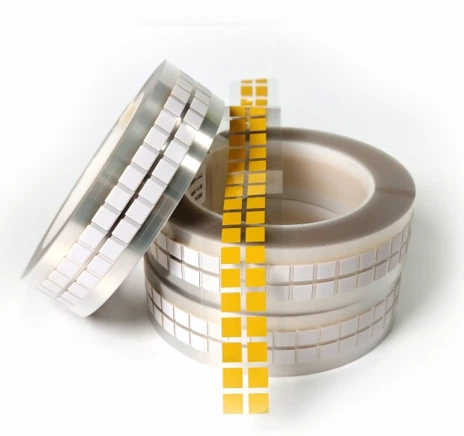
A high-temperature PI label is a specialized self-adhesive label constructed primarily from polyimide film - a high-performance polymer renowned for exceptional thermal stability, chemical resistance, and mechanical toughness. Often referred to in the industry by its most famous brand name, "Kapton®," polyimide serves as the ideal base material for labels that must survive the most punishing industrial processes.
PI vs. PET vs. Standard Paper: A Quick Comparison
Not all high-temperature labels are created equal. While polyester (PET) labels handle moderate heat up to around 150°C, they degrade under prolonged exposure to extreme soldering temperatures. Polyimide, by contrast, delivers unmatched performance:
- Polyimide (PI) : Withstands 260°C–400°C+; superior chemical and abrasion resistance; UL-recognized.
- Polyester (PET) : Good for 150°C range; adequate for general industrial use but fails under wave soldering.
- Paper/Standard Synthetics : Lowest heat threshold; unsuitable beyond 100°C; typically not used in SMT environments
For applications requiring exposure to lead-free soldering peaks or aggressive wash chemistries, PI remains the undisputed industry standard.
Key Characteristics of High-Temperature PI Labels
Exceptional Thermal Endurance
The defining characteristic of a polyimide label is its extraordinary heat resistance. Depending on the grade and adhesive system, PI labels survive continuous service temperatures from -70°C up to 280°C, with short-term peaks reaching 320°C–400°C during processes like wave soldering. Many UL‑recognized products withstand multiple reflow and wave soldering cycles without delamination, blistering, or discoloration.
- Chemical & Solvent Resistance
A heat-resistant label is only as durable as its ability to resist chemical attack. PI labels stand up to flux residues, cleaning agents (such as ZESTRON VIGON), isopropyl alcohol, oils, strong acids and alkalis, and many industrial solvents. This chemical robustness makes them invaluable in PCB assembly, automotive under-hood applications, and electronics manufacturing.
- Mechanical Strength & Abrasion Resistance
Beyond heat and chemicals, industrial labels face mechanical wear from handling, board transport, and automated picking equipment. Polyimide films offer high tensile strength (approximately 200 MPa at room temperature) and elongation properties that resist tearing, abrasion, and surface scuffing, ensuring barcode integrity remains intact through final inspection.
- Thermal Transfer Printability & High‑Resolution Imaging
To enable traceability, a label must carry legible, scannable information. PI labels feature engineered topcoats optimized for thermal transfer printing, enabling crisp barcodes, QR codes, data matrix codes, and alphanumeric text at resolutions up to 600 dpi. These coatings also provide opacity, converting the natural amber polyimide into a bright white background for high-contrast imaging.