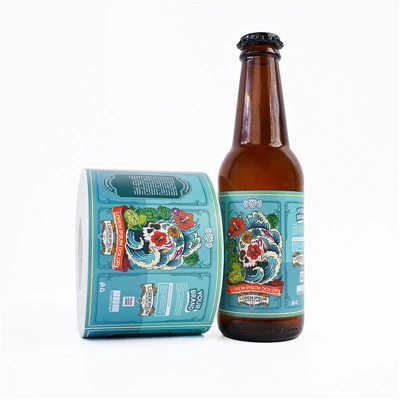
Hey there! As a supplier of Soluble Labels, I often get asked whether these labels can be used on food products. Let's dive right into this topic and explore the ins and outs.
First off, what exactly are soluble labels? Well, these are labels that are designed to dissolve in certain conditions, usually in water. They're made using special materials and formulas that break down when they come into contact with the right solvent, leaving no residue behind. This feature makes them stand out from traditional labels in many ways, especially when it comes to applications in the food industry.
So, why would we even want to use soluble labels on food products? One of the biggest advantages is in terms of waste reduction. In today's world, where environmental concerns are at the forefront, consumers are becoming more conscious about the packaging and labels that come with their food. Traditional labels often end up in landfills, taking a long time to decompose. Soluble labels, on the other hand, can be easily disposed of in a more eco - friendly manner. For example, if you have a food product with a soluble label and you're done with the product, you can simply rinse the label in water, and it will dissolve, reducing the overall waste sent to landfills.
When it comes to food safety, soluble labels have the potential to be a game - changer. Since they dissolve, there's no risk of the label peeling off and ending up in the food. This is a huge plus, especially for products like ready - to - eat meals or snacks where the presence of a foreign object like a peeled label can be a major safety hazard.
But, it's not all sunshine and rainbows. There are some challenges to using soluble labels on food products. One of the main concerns is the exact composition of the label materials. The materials used in these labels need to be food - grade, which means they must not contain any harmful substances that could leach into the food. The manufacturing process of these labels must adhere to strict food safety regulations. It's not as simple as just making a label that dissolves; it has to be made in a way that ensures it won't contaminate the food even before it dissolves.
Another aspect we need to consider is the durability of these labels. Food products go through various handling and storage conditions. They might be exposed to moisture, temperature changes, and rough handling during transportation. Soluble labels need to be able to withstand these conditions without dissolving prematurely. If a label dissolves while the product is still on the shelf, it won't be able to display important information like ingredient lists, expiration dates, and nutritional facts.


Despite these challenges, the potential benefits of using soluble labels on food products are too significant to ignore. For example, in the case of food products that are sold in bulk and then repackaged, soluble labels can be a great option. The labels can be used during transportation and then easily removed before repackaging, reducing the need for additional packaging waste.
Now, let's talk about some of the different types of soluble labels that could be used on food products. There are Unique Code Labels which are great for tracking and tracing food products throughout the supply chain. These labels can carry important information like batch numbers, origin details, and even QR codes that consumers can scan to access more information about the product. The fact that they're soluble means that once the product reaches the end - user and the tracking is no longer needed, the label can be disposed of easily.
Environmentally Friendly Labels are another option. These are made from sustainable materials that not only dissolve but also have a lower environmental impact during the manufacturing process. They can be a great selling point for food products, especially those that target environmentally - conscious consumers.
And then there's Tags And Labels Printing. This aspect is crucial when it comes to using soluble labels on food products. The printing on these labels needs to be clear, legible, and long - lasting. The inks used also need to be food - safe. With the right printing techniques, we can ensure that all the necessary information is clearly displayed on the soluble label, even under different storage conditions.
In conclusion, while there are challenges to using soluble labels on food products, the advantages are very compelling. As a Soluble Labels supplier, I'm constantly working on improving the technology and materials used in these labels to meet the strict requirements of the food industry. We're conducting more research, testing different formulations, and collaborating with food manufacturers to ensure that these labels are both safe and effective.
If you're a food manufacturer or in the food packaging industry and are interested in exploring the use of soluble labels for your products, I'd love to have a chat with you. We can discuss your specific needs, the types of labels that would work best for your products, and how we can customize the labels to meet all your requirements. Let's work together to make the food industry more sustainable and safe!
References:
- General knowledge on food packaging and safety regulations.
- Industry reports on the development and application of soluble materials.